


Fear in Schools Hinders Student Success, Tanzanian Educators Warn
Translated from Swahili, summarized and contextualized by DistantNews.
At a glance
News
Sources not specified
Context piece
- Tanzanian education stakeholders warn that fear and violence in schools hinder student success.
- A safe learning environment is crucial for children's confidence, participation, and academic growth.
- Organizations like HakiElimu advocate for a shift from fear-based to hope-based school environments, emphasizing collaboration among all stakeholders.
Education stakeholders in Tanzania are raising alarms that schools continue to be environments of fear, intimidation, and violence, jeopardizing students' academic success. They argue that a safe learning atmosphere is fundamental for quality education, enabling children to build self-confidence, actively participate in lessons, ask questions, develop talents, and foster positive relationships with peers and teachers.
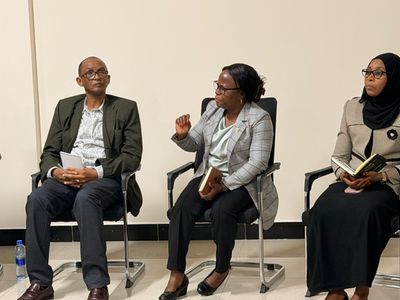
HakiElimu, an education advocacy organization, stresses that children experiencing threats, abuse, discrimination, or other forms of violence are directly impacted in their learning process. This negatively affects their academic and social development. Godfrey Boniventura, HakiElimu's Program Manager, stated during the launch of a safe learning assessment that a child's right to education is inseparable from their right to safety.
"We believe school should be a place of hope, not fear; a place of nurturing, not pain, and a place that builds a child, not breaks them," Boniventura said. He emphasized that addressing violence and insecurity in schools requires a collective effort involving the government, civil society organizations, teachers, parents, and students themselves. Boniventura added that a school's quality should not be measured solely by its buildings or infrastructure but also by its ability to protect children and provide an environment conducive to fearless learning.
Boniventura noted that the findings from the Safe to Learn (StL) assessment would be used to collaborate with the government and other stakeholders. The goal is to ensure that safe learning becomes a priority in educational policies, plans, budgets, and program implementation. "This research reminds us that school safety challenges require evidence, collaboration, and joint action. Every child deserves a safe, respectful school that listens and enables them to achieve their dreams," he concluded.
While the assessment indicated a reduction in violence against children in and through school environments, Dr. Hezron Onditi, a lead researcher and senior lecturer at the University of Dar es Salaam, acknowledged that challenges persist. The research aimed to evaluate safe learning conditions for students in Tanzanian schools.
DistantNews Editorial
Originally published by Mwananchi in Swahili. Translated, summarized, and contextualized by our editorial team with added local perspective. Read our editorial standards.
More Stories



From Our Blog

What Gets Lost (and Found) When News Is Translated

The Critical Role of Diaspora Media in Global News

What Travellers Should Know About Countries with Restricted Press

A Digital Nomad's Guide to Following Local News

How the Same Story Looks Different in Different Countries
