

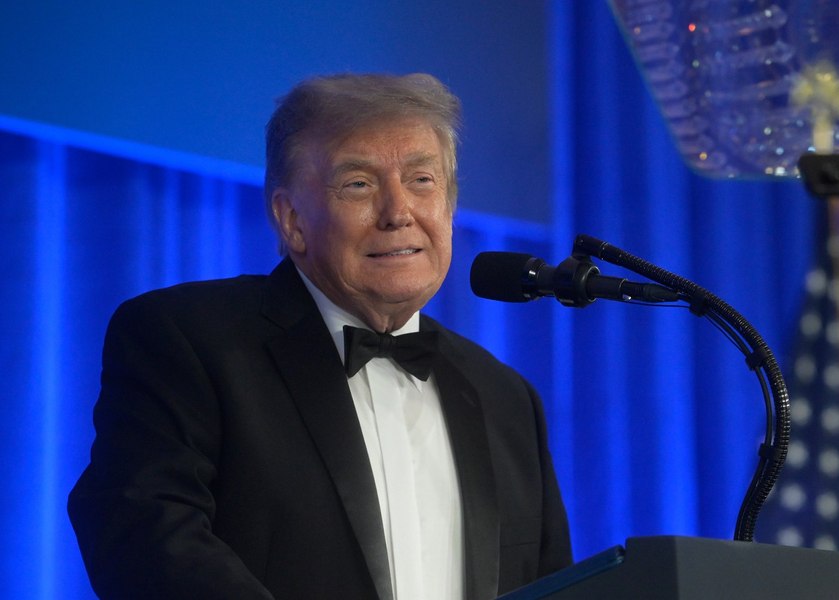

Fear of crisis fuels political messianism: America searches for a savior
Translated from Romanian and summarized by DistantNews. Read the original for the full story.
At a glance
Analysis
Named sources
Context piece
- American voters, facing economic anxieties and polarization, are increasingly seeking a "savior" rather than just a competent leader.
- This trend, termed "electoral messianism," has been evident from Barack Obama's rise to Donald Trump's presidency.
- The article explores how current anxieties about climate change and AI are fueling this desire for a leader who can perform miracles.
In an America grappling with economic anxieties, climate crises, and deep political polarization, voters are no longer searching for mere competence in their leaders. Instead, a significant portion of the electorate is seeking a "savior" figure, according to analysis by Anna Brodsky-Krotkina, head of Slavic Studies at Washington and Lee University. This phenomenon, termed "electoral messianism," has reshaped the American political landscape, influencing presidential campaigns from Barack Obama to Donald Trump.
Anxieties about the future, fueled by concerns over global warming and the rapid advancement of artificial intelligence, contribute to a sense of impending doom for over 100 million Americans. This pervasive feeling of threat compels voters, regardless of political affiliation, to look to the president not just as a governor, but as a miracle worker. The expectation is that the next White House occupant must guarantee economic growth, lower living costs, provide flawless healthcare, protect against natural disasters, combat climate change, achieve global peace, and inspire national order.
Political scientists trace the origins of this modern messianism back to Barack Obama's 2008 campaign. His team tapped into a psychological need for healing and inspiration, positioning him as a charismatic outsider capable of mending a "wounded" nation. Obama's success paved the way for Donald Trump, who, following a similar logic of public desperation, also embraced messianic rhetoric. Trump positioned himself as the sole individual capable of saving the nation, even incorporating elements of personality cult often seen in autocratic regimes.
Trump's political strategy relied heavily on an "us versus them" ideology, identifying external and internal enemies ranging from immigrants and Democrats to international organizations. However, as Trump's political future remains uncertain, the search for a leader who can fulfill these profound expectations continues. The Democratic party, in particular, is now tasked with identifying a figure who can meet this collective yearning for a savior in a deeply anxious America.
About this summary
Originally published by Adevărul in Romanian. Translated, summarized, and contextualized automatically by DistantNews, with a note on how the source frames the story. Not individually reviewed before publishing. How this works.
More Stories


From Our Blog

News in Translation: What Gets Lost, and How We Keep the Framing

Diaspora Media: How Communities Abroad Follow Home

Traveling Where the Press Is Not Free: How to Read the News There

The Digital Nomad's Guide to Local News

The Same Story, Different Countries: How Coverage Changes at the Border
