


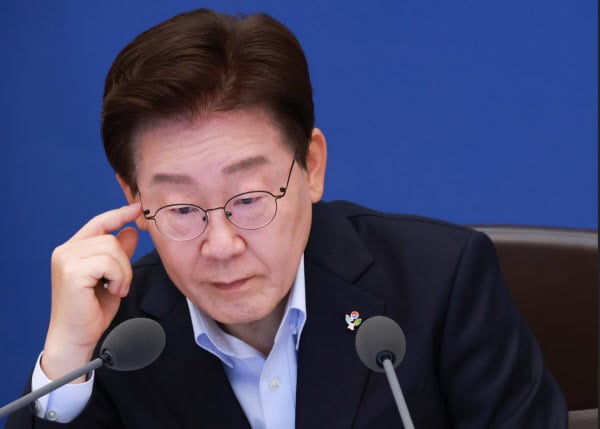
Fear of 'Unrealized Income Tax' Looms Over South Korean Markets
Translated from Korean, summarized and contextualized by DistantNews.
At a glance
News
Sources not specified
Context piece
- The concept of taxing unrealized income, known as 'comprehensive income taxation,' is emerging as a potential threat to South Korean stock and real estate markets.
- Although currently only discussed in academic forums by some ruling party members and progressive civic groups, the idea has already caused investor sentiment to freeze.
- This theoretical approach, previously thought to exist only in theory under the Lee Jae-myung administration, is now causing market concerns.
A theoretical approach to taxation, known as 'comprehensive income taxation,' is causing apprehension in South Korea's financial markets. This concept proposes taxing even unrealized profits from investments as income, a notion that has begun to freeze investor sentiment.
While the idea has not yet translated into concrete policy, it has been discussed in academic seminars by some members of the ruling party and progressive civic organizations. Despite its theoretical stage, the mere mention of taxing unrealized gains has sparked significant concern among investors in both the stock and real estate sectors.
This potential shift in tax policy, which was previously considered a purely theoretical possibility during the Lee Jae-myung administration, is now being viewed as a tangible threat. The market's reaction underscores the sensitivity of investors to potential changes that could impact their returns.
DistantNews Editorial
Originally published by Chosun Ilbo in Korean. Translated, summarized, and contextualized by our editorial team with added local perspective. Read our editorial standards.
More Stories


From Our Blog

What Gets Lost (and Found) When News Is Translated

The Critical Role of Diaspora Media in Global News

What Travellers Should Know About Countries with Restricted Press

A Digital Nomad's Guide to Following Local News

How the Same Story Looks Different in Different Countries
