


🇩🇪
Germany
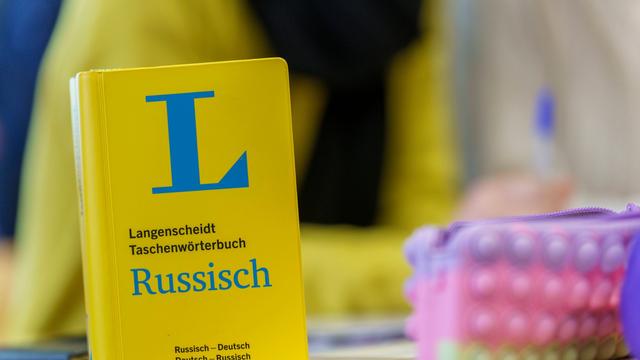
Fewer and fewer students in Thuringia learning Russian, reasons unclear
Translated from German, summarized and contextualized by DistantNews.
TLDR
- The number of students learning Russian in Thuringian schools has more than halved since the 2021/2022 school year.
- Factors contributing to the decline include a shortage of Russian teachers, many of whom are nearing retirement, and a decrease in course offerings.
- While the war in Ukraine's impact on the image of Russian language education is unclear, other languages like Latin and Spanish have surpassed Russian in popularity among students.
In Thuringia, a concerning trend is emerging in our schools: fewer and fewer young people are choosing to learn Russian. The numbers have plummeted by more than half since the 2021/2022 school year, a stark decline that demands attention. While the reasons are complex and not definitively pinned down by the Ministry of Education, several factors are clearly at play.
One significant issue is the dwindling number of qualified Russian teachers. With a substantial portion of our current educators over 50 and many nearing retirement age, the pipeline for new teachers is insufficient to meet demand. This shortage directly impacts the availability of Russian courses, creating a downward spiral where fewer offerings lead to even less student interest.
Furthermore, the educational landscape is shifting. While English remains the primary foreign language, students are increasingly opting for Spanish and Latin over Russian. This shift, coupled with the existing challenges in teacher supply and course availability, paints a picture of declining Russian language education in Thuringia. The broader geopolitical context, particularly the war in Ukraine, may also be influencing student perceptions, though its exact impact on language choices remains unquantified.
DistantNews Editorial
Originally published by Die Zeit in German. Translated, summarized, and contextualized by our editorial team with added local perspective. Read our editorial standards.
More Stories



From Our Blog

What Gets Lost (and Found) When News Is Translated

How the Same Story Looks Different in Different Countries

The Critical Role of Diaspora Media in Global News

What Travellers Should Know About Countries with Restricted Press

A Digital Nomad's Guide to Following Local News
