


FG, AfDB, other stakeholders seek private sector investments in urban sanitation
Summarized and contextualized by DistantNews.
At a glance
News
Named sources
New plan
- Nigerian stakeholders are seeking private sector investment to improve urban sanitation and water access.
- A diagnostic report highlights the need for innovative financing and stronger institutions to address the sanitation infrastructure gap.
- The government and AfDB are committed to creating an enabling environment for sustainable sanitation solutions.
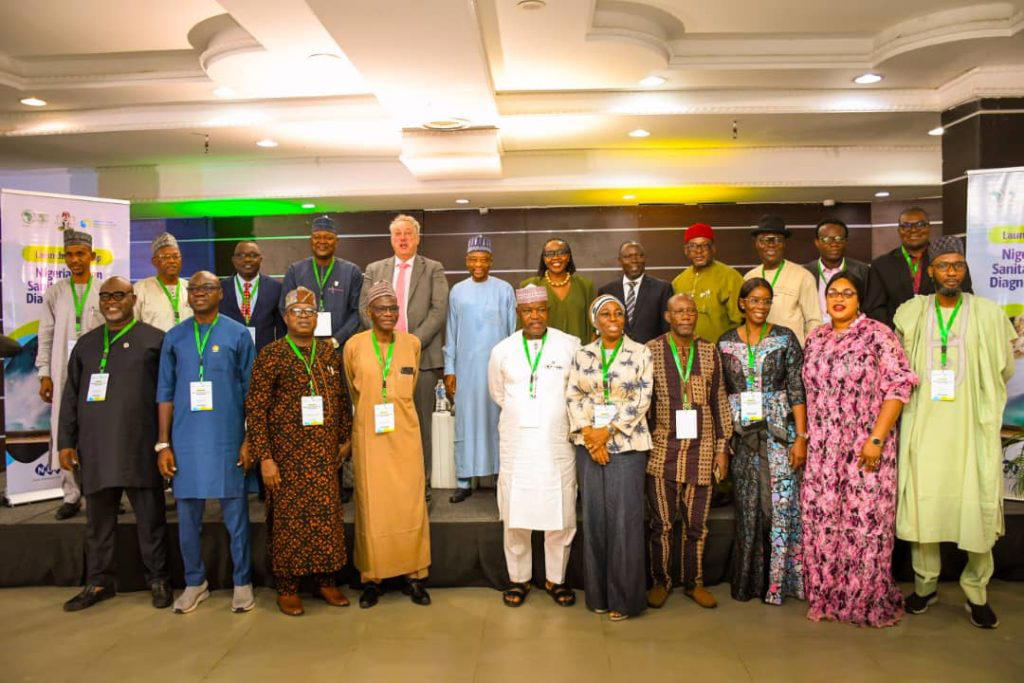
The Nigerian government, in collaboration with the African Development Bank (AfDB) and other stakeholders, is actively seeking private sector investment to enhance urban sanitation and expand access to safe water across the country. This initiative was highlighted during the launch of the Nigeria Urban Sanitation Sector Diagnostic Report and the Africa Water Investment Programme.
The Federal Government remains committed to creating an enabling environment that encourages investment, strengthens institutional capacity and promotes sustainable sanitation solutions capable of improving public health, protecting the environment and driving economic growth.
Representing the Minister of Water Resources and Sanitation, Engr. Ali Ibrahim Dallah described the diagnostic report as a crucial roadmap for transforming Nigeria's urban sanitation sector. He noted that the report arrives at a critical time as the Federal Government intensifies efforts to improve sanitation services, strengthen governance, and mobilize both public and private investments to bridge the nation's sanitation infrastructure deficit.
The AfDB has reaffirmed its commitment to supporting Nigeria's goals for universal access to safe water and sanitation. Mr. Orison Amu, Lead Operations Manager at AfDB Nigeria Country Department, called the Diagnostic Report a strategic tool for guiding investments and reforms, emphasizing that implementing its recommendations is vital for achieving Sustainable Development Goal 6 by 2030.
The Diagnostic Report is a strategic tool for guiding investments and reforms, stressing that translating its recommendations into concrete actions will be essential to achieving SDG’s goal 6, by 2030.
Stakeholders stressed that urban sanitation is a national development priority requiring increased investment, innovative financing, and robust collaboration among government, development partners, the private sector, and communities. They urged the conversion of workshop outcomes into practical actions that will lead to cleaner cities, healthier communities, and an improved quality of life for Nigerians. Challenges identified include financing, weak institutional coordination, and poor sanitation infrastructure.
urban sanitation as a national development priority that requires increased investment, innovative financing, and stronger collaboration among governments, development partners, the private sector, and communities.
DistantNews Editorial
Originally published by Vanguard. Summarized and contextualized by our editorial team with added local perspective. Read our editorial standards.
More Stories


From Our Blog

How the Same Story Looks Different in Different Countries

What Gets Lost (and Found) When News Is Translated

The Critical Role of Diaspora Media in Global News

What Travellers Should Know About Countries with Restricted Press

A Digital Nomad's Guide to Following Local News
