

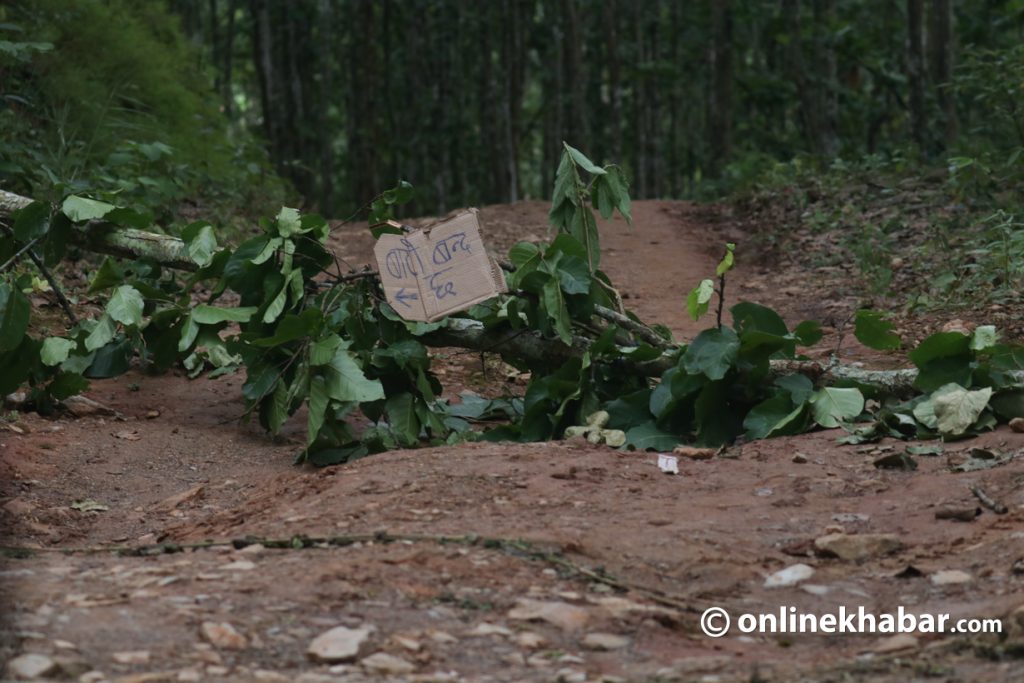

FICTION: And what have I become? Mr Ghost?
Summarized by DistantNews. Read the original for the full story.
At a glance
In-depth
Sources not specified
Context piece
- A deceased individual recounts their experience in an afterlife, describing it as a place of raw meat and occasional milk, reflecting on the value of everyday objects like pens.
- The narrator recalls their death on September 8, a victim of protest violence, lamenting the corruption of leaders and the state's neglect of the poor.
- Reflecting on their past life, the narrator questions their current existence as a ghost, noting the illogical nature of the afterlife and the difficulty of communication.
In an ethereal realm, a recently deceased soul reflects on their transition to an afterlife, which they perceive as a stark duality of hellish sustenance and heavenly respite. The narrator's immediate concern is the scarcity of pens, a mundane object now imbued with profound significance, prompting a desire for "thoughtless writing" before the opportunity is lost. This scarcity is attributed to the narrator's act of theft, a desperate measure taken in their final moments.
Here, we are given raw meat to eat (I don’t know from which animal), so I assume I’m living in hell. At times, the river of milk flows, and that is when I convince myself that it’s heaven.
The narrative then shifts to the traumatic memory of the narrator's death on September 8. They describe themselves as a protester, killed amidst agony and public spectacle. The bullets that ended their life were a physical manifestation of a deeper pain: the realization of dying. While the exact perpetrator remains unknown, the narrator connects their demise to a broader political context of "sin-ridden leaders" and corruption, highlighting the state's systemic neglect of the poor in favor of the elite.
Pens are really scarce here, and I don’t know where they come from. Every object, every event, every scene makes me feel like I’m caught inside one of those ludicrous dreams.
As a "Mr Ghost," the narrator observes the surreal and illogical nature of the afterlife, where "color patterns change swiftly" and communication with other spirits is inconsistent. They recall the collective frustration that led to the protest, a movement fueled by the marginalized seeking a voice against a corrupt system. The narrator's final thoughts are a poignant question about their transformation from a protester to a spectral observer, pondering their current existence and the enduring human tendency towards blame.
The last thing I remember from my past life is my own voice that never belonged to me. Agony. That’s what I felt as I was collapsing on the street.
About this summary
Originally published by Kathmandu Post. Summarized and contextualized automatically by DistantNews, with a note on how the source frames the story. Not individually reviewed before publishing. How this works.
More Stories


From Our Blog

News in Translation: What Gets Lost, and How We Keep the Framing

Diaspora Media: How Communities Abroad Follow Home

Traveling Where the Press Is Not Free: How to Read the News There

The Digital Nomad's Guide to Local News

The Same Story, Different Countries: How Coverage Changes at the Border
