

FIFA's refereeing changes confuse World Cup officials: 'They don't know what is expected'
Translated from Finnish, summarized and contextualized by DistantNews.
At a glance
News
Named sources
Context piece
- FIFA's changes to refereeing and VAR usage in the World Cup knockout stages have confused officials, leading to inconsistent calls.
- Referees were initially instructed to ignore minor fouls in the group stage, but this approach shifted dramatically in the knockout rounds.
- Experts believe FIFA's actions have increased pressure on referees, leaving them uncertain about expectations and contributing to lengthy decision-making processes.
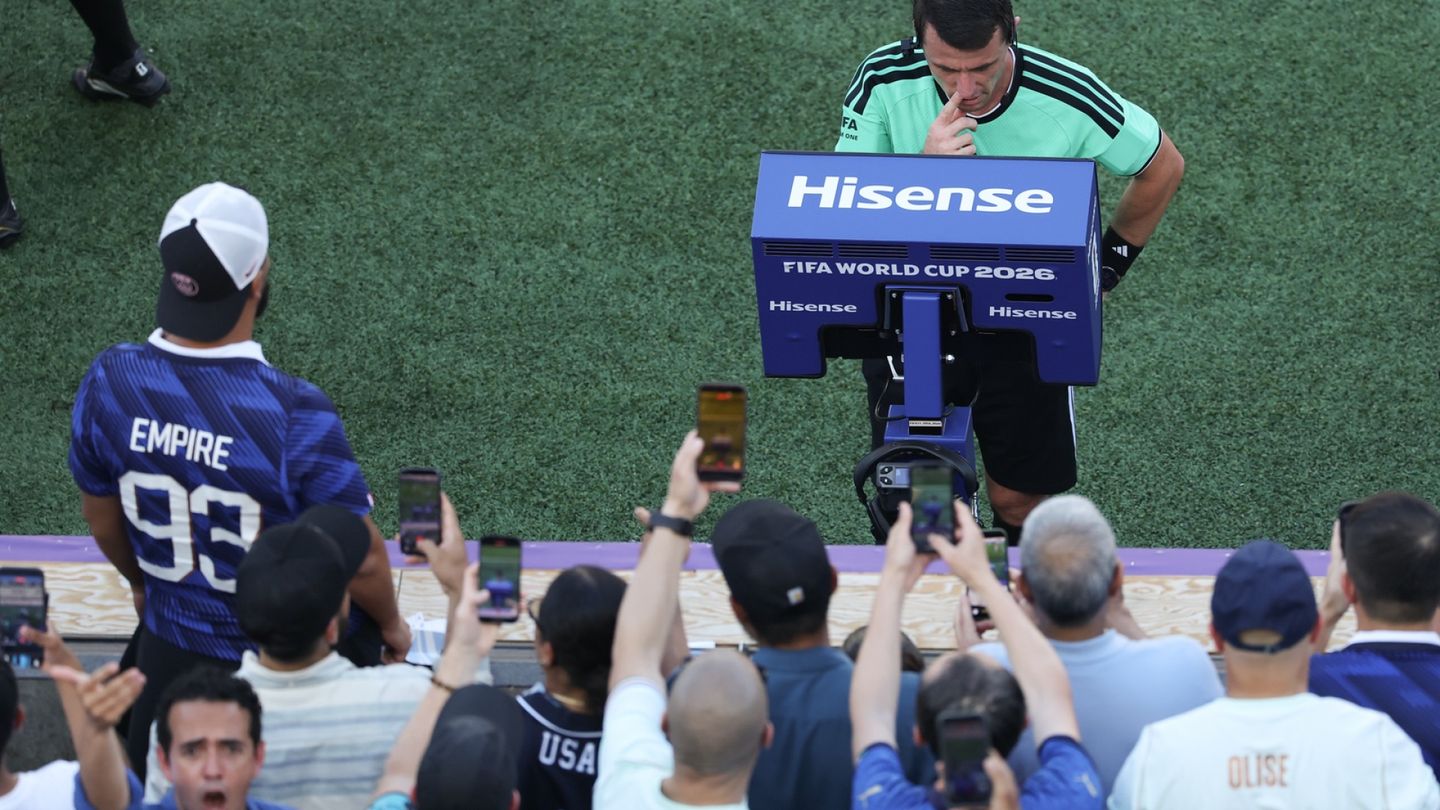
FIFA's adjustments to refereeing and video assistant referee (VAR) protocols during the World Cup knockout stages have created significant confusion among officials, leaving them uncertain about their directives. This shift has altered the game's flow and the nature of calls made on the field.
In the group stages, there were clear instructions for both referees and VARs not to intervene in minor infringements.
Initially, referees and VAR officials were given clear instructions to overlook minor infringements during the group stage matches. This approach was generally accepted by players and spectators, allowing games to proceed smoothly. However, as the tournament progressed into the high-stakes knockout rounds, the officiating line changed dramatically.
According to refereeing expert Jan-Peter Aravirta, the shift occurred because teams, particularly top football nations who faced less pressure in the group stage, began to reject the more lenient officiating in the knockout phase. As the risk of elimination increased, so did the pressure on referees, leading to a more stringent application of the rules. Aravirta noted that this change was not officially communicated, but its impact is evident in the matches.
It seems to me that the line has changed drastically.
The consequences of this inconsistent application of rules are significant. Refereeing decisions, especially regarding penalties and red cards, carry immense weight in low-scoring football matches where outcomes are often decided by a single goal. The prolonged decision-making process, with checks taking minutes even in clear-cut situations, disrupts the game's rhythm. Aravirta suggests that FIFA's actions, rather than reducing pressure, have amplified it, leaving referees unsure of what is expected of them and contributing to the controversy surrounding officiating in the tournament.
Referees don't know what is expected of them.
DistantNews Editorial
Originally published by Helsingin Sanomat in Finnish. Translated, summarized, and contextualized by our editorial team with added local perspective. Read our editorial standards.
More Stories


From Our Blog

What Gets Lost (and Found) When News Is Translated

The Critical Role of Diaspora Media in Global News

What Travellers Should Know About Countries with Restricted Press

A Digital Nomad's Guide to Following Local News

How the Same Story Looks Different in Different Countries
