

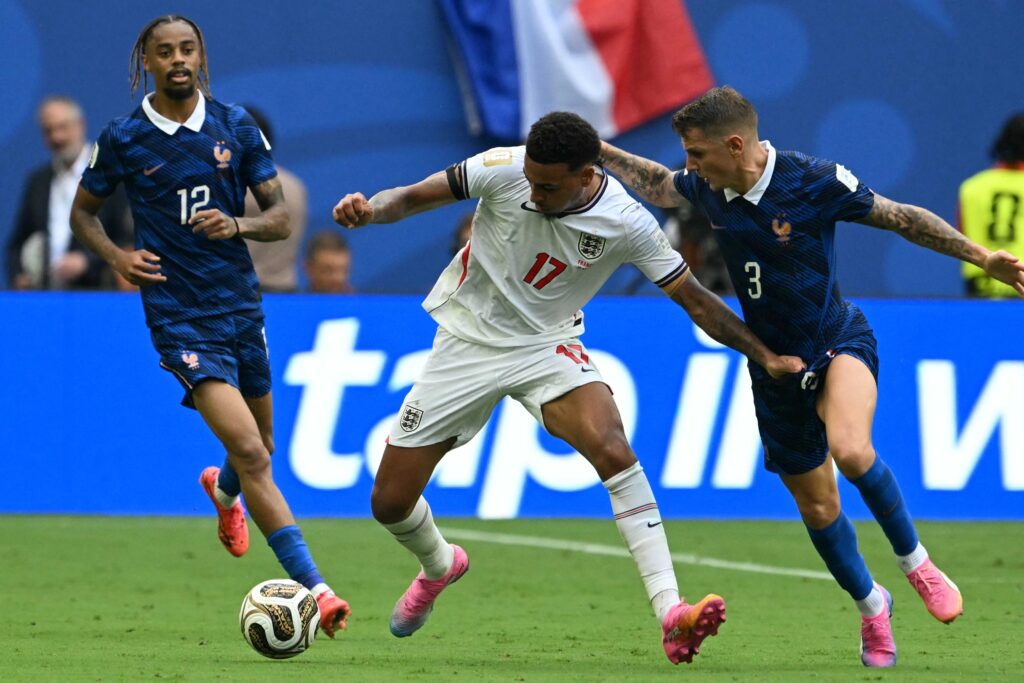
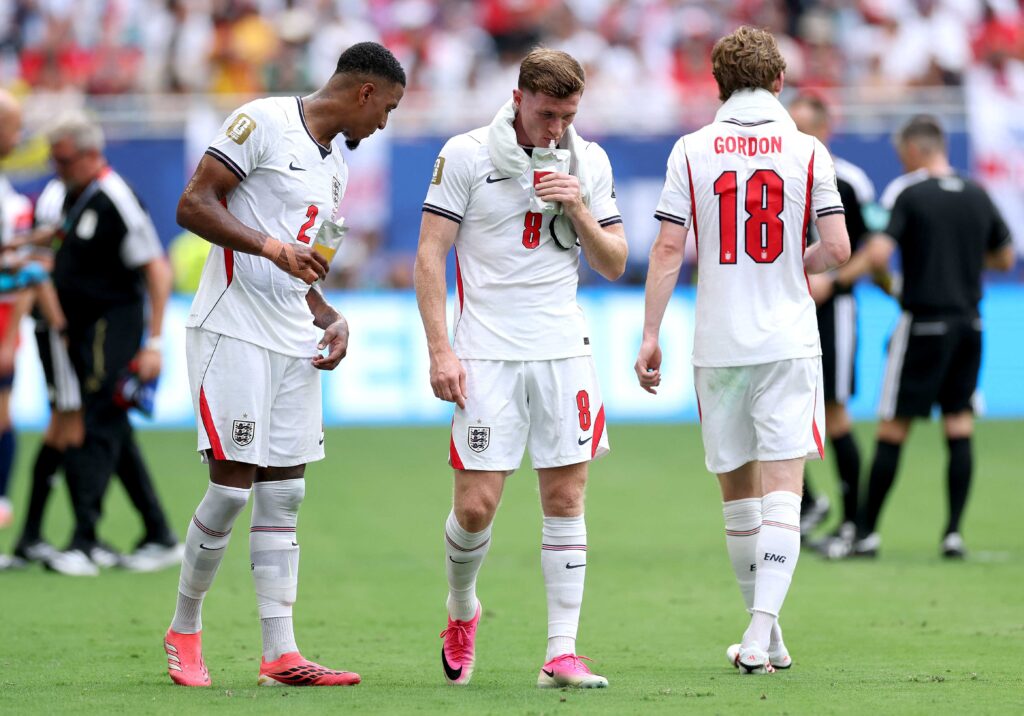
FIFA to re-evaluate hydration breaks after 2026 World Cup
Translated from Malay, summarized and contextualized by DistantNews.
At a glance
News
From a news agency
Context piece
- FIFA will re-evaluate the implementation of hydration breaks after the 2026 World Cup to decide on their future in international tournaments.
- Head of Global Football Development Arsene Wenger stated that an analysis will be conducted after the tournament to assess the breaks' effectiveness.
- While some criticized the breaks for disrupting play and allowing ad time, Wenger noted they were necessary due to unpredictable weather in the host countries and will be medically assessed.
FIFA is set to reassess the use of hydration breaks, introduced during the 2026 World Cup, to determine if they will continue in future international competitions. The governing body for world football will conduct a comprehensive analysis after the tournament concludes.
Arsene Wenger, FIFA's Head of Global Football Development, indicated that the three-minute breaks, taken mid-half, have not significantly impacted match outcomes or altered the competitive balance. "For me, it doesn't seem to change the result of the match. But we are here to serve the fans who watch football, so all feedback will be taken into account," Wenger said.
For me, it doesn't seem to change the result of the match. But we are here to serve the fans who watch football, so all feedback will be taken into account.
Despite Wenger's assessment, the mandatory hydration breaks drew criticism. Some argued they disrupted game flow and provided extra opportunities for advertisers. A portion of fans also voiced dissatisfaction, with audible discontent during stoppages for players to drink.
In some matches, it was really necessary. Because we don't want to create a difference between one match and another, we decided to implement it in all matches.
Wenger, however, emphasized that the decision to implement these breaks universally stemmed from the unpredictable weather conditions across the host nations: the United States, Canada, and Mexico. "In some matches, it was really necessary. Because we don't want to create a difference between one match and another, we decided to implement it in all matches," he explained.
He added that from a medical standpoint, the breaks were needed in many games. "We will do an in-depth analysis after the tournament and have not yet reached any conclusions." While some coaches supported the measure for player safety in extreme heat, others questioned its necessity in air-conditioned stadiums or cooler weather.
We will do an in-depth analysis after the tournament and have not yet reached any conclusions.
DistantNews Editorial
Originally published by Utusan Malaysia in Malay. Translated, summarized, and contextualized by our editorial team with added local perspective. Read our editorial standards.
More Stories

From Our Blog

What Gets Lost (and Found) When News Is Translated

The Critical Role of Diaspora Media in Global News

What Travellers Should Know About Countries with Restricted Press

A Digital Nomad's Guide to Following Local News

How the Same Story Looks Different in Different Countries
