


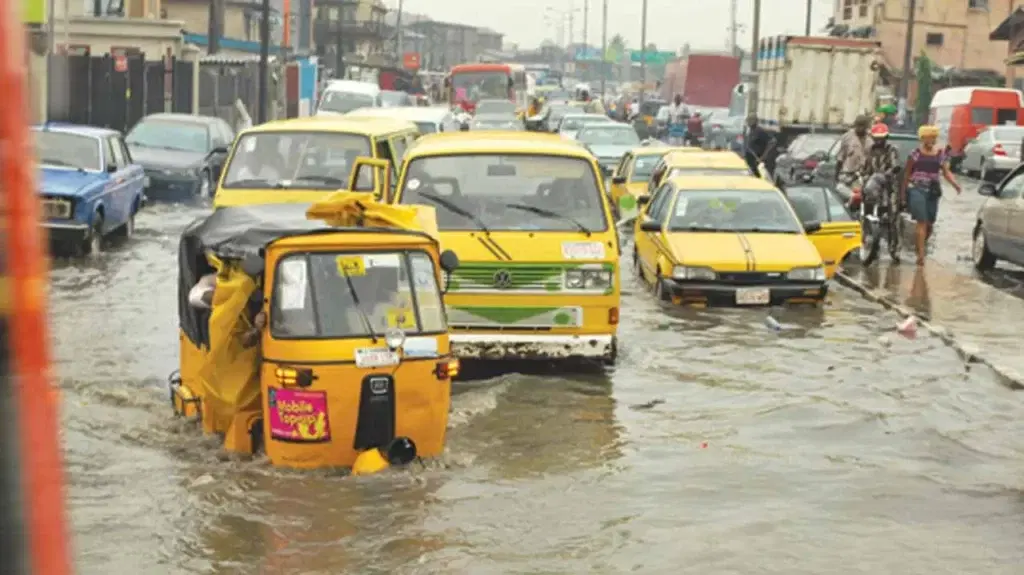
Filth & flooding: When indiscriminate dumping meets nature’s wrath in Lagos
Summarized and contextualized by DistantNews.
At a glance
News
Sources not specified
Context piece
- Indiscriminate waste dumping in Lagos has created extensive open-air dump sites, overwhelming drainage systems.
- Heavy rainfall exacerbates the problem, turning blocked drains into sources of disaster and leading to widespread flooding.
- The stagnant floodwaters pose a significant public health risk, fostering diseases like cholera, typhoid, and malaria, and disrupting daily life.
Lagos, Nigeria's bustling metropolis, is grappling with a severe sanitation crisis, where indiscriminate waste disposal has transformed roadsides and undeveloped plots into vast open-air dump sites. While some affluent estates benefit from regular waste collection, much of the city suffers from overflowing refuse, creating a dire environmental and aesthetic problem.
This chronic issue becomes catastrophic when the rains arrive. Drainage channels across the city are choked with plastic bottles, takeaway containers, nylon bags, and household waste. Residents also contribute to the problem by erecting illegal structures on waterways, further obstructing the natural flow of water. Consequently, the city's drainage systems, meant to manage rainwater, have become conduits for disaster.
The Nigerian Meteorological Agency (NIMET) has warned of persistent heavy rainfall, heightening fears of widespread flooding. The recent downpours have already submerged roads, homes, and businesses, leaving many residents stranded and disrupting essential services. Children and workers were unable to reach their destinations, and commercial drivers faced perilous conditions.
Beyond the immediate disruption, the stagnant floodwaters present a looming public health crisis. Experts warn that these conditions are breeding grounds for diseases such as cholera, typhoid, and malaria. This recurring cycle of flooding and its devastating consequences highlights a critical challenge for Lagos and other Nigerian cities, underscoring the urgent need for improved waste management and urban planning.
DistantNews Editorial
Originally published by Vanguard. Summarized and contextualized by our editorial team with added local perspective. Read our editorial standards.
More Stories

From Our Blog

How the Same Story Looks Different in Different Countries

What Gets Lost (and Found) When News Is Translated

The Critical Role of Diaspora Media in Global News

What Travellers Should Know About Countries with Restricted Press

A Digital Nomad's Guide to Following Local News
