


Fine for Shrimp Pizza: Tax Authority Explains 'Provocations'
Translated from Polish, summarized and contextualized by DistantNews.
At a glance
News
Named sources
Context piece
- Poland's National Revenue Administration (KAS) defends its use of "tax provocations," where officials pose as customers to check tax compliance.
- Recent changes in KAS's performance metrics prioritize actions that result in fines, leading to increased and potentially higher penalties.
- The KAS states that these provocations are conducted legally to ensure efficient use of public funds and that all fines must be justified by a proven violation of the law.
Poland's National Revenue Administration (KAS) is defending its practice of "tax provocations," a method where tax officials pose as customers to verify businesses' compliance with tax obligations. These actions, which have been ongoing for years, involve officials making purchases to ensure correct VAT application and other tax duties are met. Recent controversies highlight a shift in how these operations are measured, with a new emphasis on actions that result in fines.
We have the right to provocation, and we must also ensure that money for purchases is spent effectively.
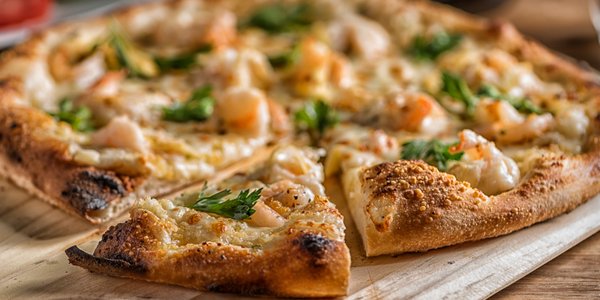
Agata Jagodzińska, head of the Związkowa Alternatywa union at KAS, voiced concerns that new performance metrics are pushing officials to issue more fines. She described these metrics as "sick," comparing them to corporate targets that are difficult to meet, leading to situations like the recent case of a restaurateur being fined for charging 8% VAT on shrimp pizza instead of the correct 23%. This change in focus, from simply checking compliance to ensuring fines are issued, has reportedly led to an increase in both the number and severity of penalties.
Sick metrics are being imposed on us, like in corporations, impossible to achieve, and then we have the pizza case.
The KAS, however, maintains that these "checking purchases" are a necessary tool for verifying tax compliance, particularly in sectors like hospitality, cosmetics, and automotive, as well as at markets and bazaars. The agency asserts that these provocations are conducted in accordance with the law, as outlined in the National Revenue Administration Act. They explain that the goal is to ensure the effective and rational use of budget funds by setting expected parameters and measuring the outcomes of these verification actions.
The goal of the imposed metrics is solely to monitor the correctness of the use of control tools and to ensure that they are used in accordance with their statutory purpose.
According to the KAS, every issued fine must be legally justified, requiring officials to document a violation of the law. The agency stated, "The National Revenue Administration carries out its tasks solely on the basis of applicable laws, guided by the principles of legality, impartiality, and the protection of the State Treasury's interests." Despite these assurances, the practice continues to spark public debate regarding its fairness and effectiveness.
It is obvious and necessary from the point of view of rational management of budget funds to define the expected parameters and results that this involvement should bring, and to measure the effects of the funds allocated to the checking purchase.
DistantNews Editorial
Originally published by Rzeczpospolita in Polish. Translated, summarized, and contextualized by our editorial team with added local perspective. Read our editorial standards.
More Stories



From Our Blog

What Gets Lost (and Found) When News Is Translated

The Critical Role of Diaspora Media in Global News

What Travellers Should Know About Countries with Restricted Press

A Digital Nomad's Guide to Following Local News

How the Same Story Looks Different in Different Countries
