


Finland's Budget Proposal: Modest Tax Relief for Earners, Experts Question Impact
Translated from Finnish, summarized and contextualized by DistantNews.
At a glance
News
From a news agency
New plan
- Finland's government is preparing its final budget for the upcoming year, with the Ministry of Finance releasing its proposal.
- The budget proposal includes a slight reduction in income taxes for wage earners, primarily through an increase in the earned income deduction and index adjustments.
- Experts question the impact of these modest tax cuts on consumer demand and public finances, suggesting alternative fiscal adjustments.
Finland's government is finalizing its last budget under the Petteri Orpo administration, with the Ministry of Finance having released its proposal. The upcoming budget is expected to align with previously agreed-upon government decisions, suggesting no major shifts are anticipated.
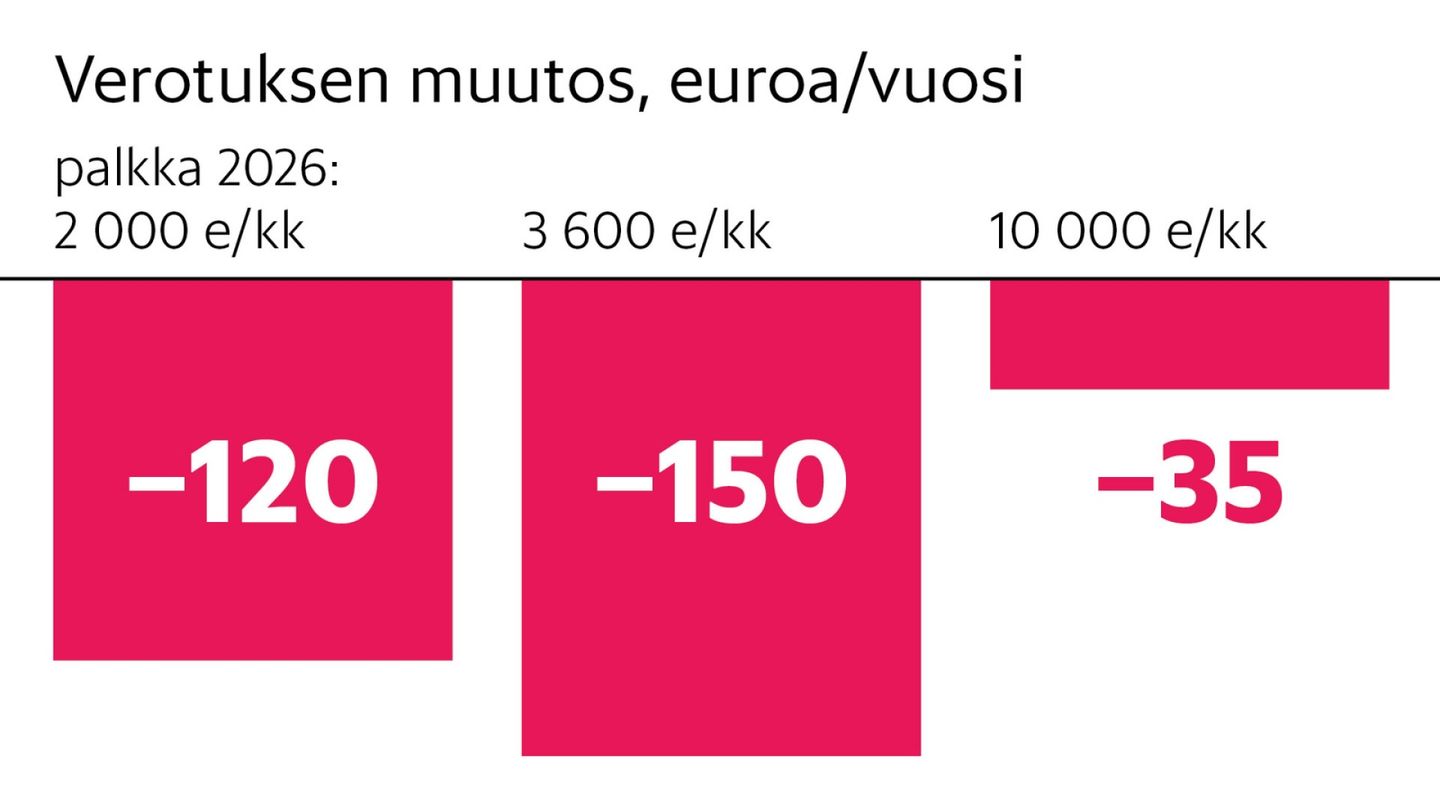
The proposal outlines a modest easing of income tax for wage earners. This will be achieved through two main avenues: an increase in the earned income deduction, costing the state budget 230 million euros, and an index adjustment to income tax brackets. These changes are projected to reduce taxes by approximately 150 euros annually for individuals earning between 3,200 and 4,000 euros per month, roughly the equivalent of one lunch. For those earning 1,600 euros monthly, the annual savings would be around 95 euros, while higher earners would see smaller benefits.
Experts express skepticism about the effectiveness of these tax reductions. Ilkka Kiema, research director at the Labour Institute of Economic Research, described the tax cuts as "moderate" and noted that while they could boost consumer demand, they come at a time when the public finances require significant adjustment. Kiema suggested that a more prudent approach might have involved modest tax increases for middle and high-income earners to aid fiscal consolidation, acknowledging that tax hikes can dampen consumption.
Tuuli Paukkeri, a senior researcher at the Government Institute for Economic Research, echoed these sentiments, stating that changes in middle-class taxation have historically had minimal impact on work hours. She highlighted that the tax reduction is an "expensive tax measure" for the state, increasing the burden of fiscal adjustment without significant expected returns. The budget also proposes continued increases in taxes on tobacco and alcohol, following earlier hikes in harmful taxes.
DistantNews Editorial
Originally published by Helsingin Sanomat in Finnish. Translated, summarized, and contextualized by our editorial team with added local perspective. Read our editorial standards.
More Stories



From Our Blog

What Gets Lost (and Found) When News Is Translated

The Critical Role of Diaspora Media in Global News

What Travellers Should Know About Countries with Restricted Press

A Digital Nomad's Guide to Following Local News

How the Same Story Looks Different in Different Countries
