


Finland's Political Debate Shifts Towards Block Politics Ahead of Elections
Translated from Finnish and summarized by DistantNews. Read the original for the full story.
At a glance
Analysis
Named sources
Context piece
- Finnish parliamentary parties are preparing for next spring's elections, with discussions focusing on potential future government coalitions.
- Proposals suggest forming a new right-wing or bourgeois majority government after the elections, regardless of which party wins the most votes.
- This shift towards 'block politics' is seen as a change in the country's political landscape, potentially challenging the traditional model where the largest party leads government formation.
Finland's political landscape is showing signs of a significant shift as parliamentary parties engage in discussions about potential government coalitions well ahead of the general elections scheduled for next spring. The summer party conferences have been marked by preparations for the upcoming vote, with parties emphasizing their distinct positions and exploring new governmental models.
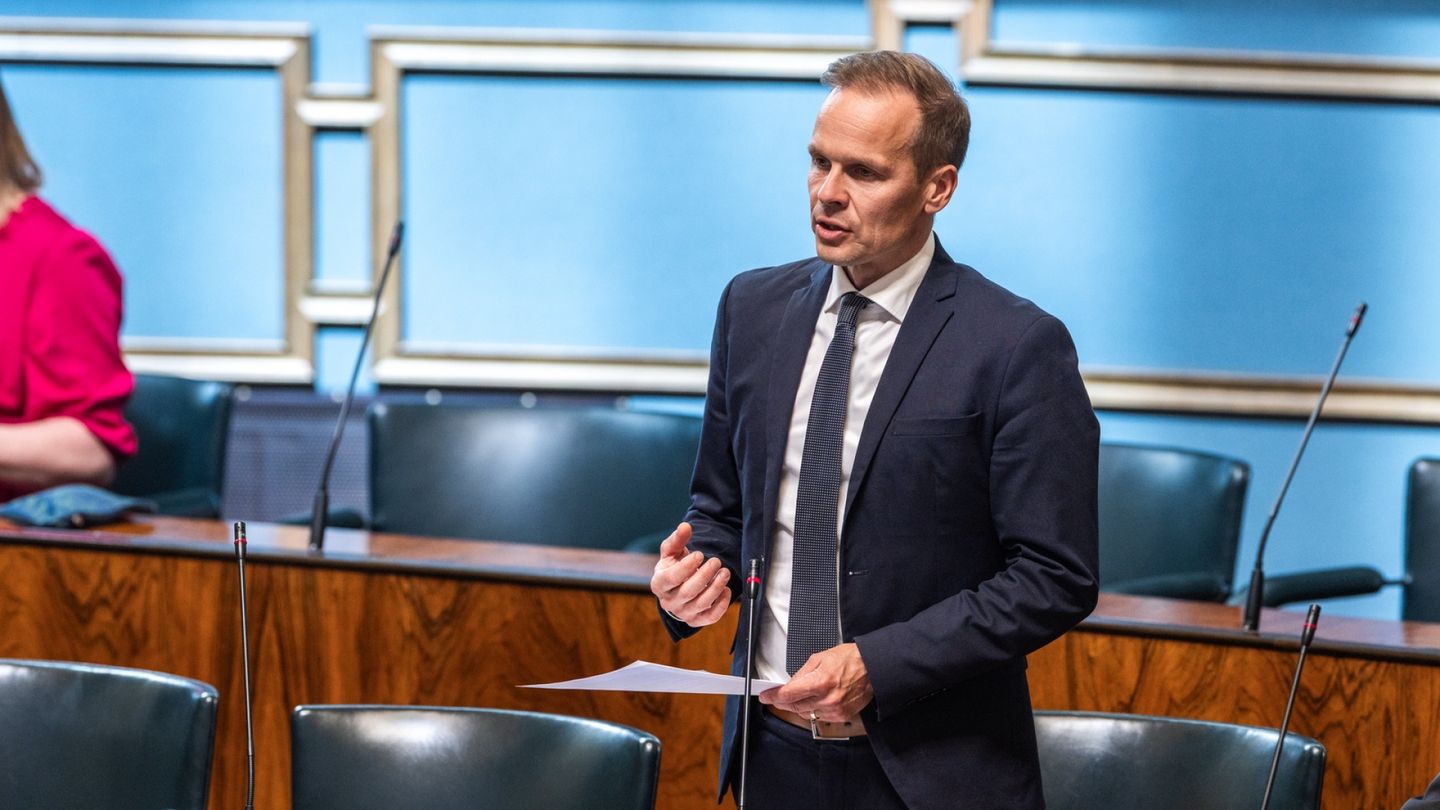
Recent proposals, notably from Social Affairs and Health Minister Wille Rydman (Finns Party) and National Coalition Party MP Martin Paasi, suggest forming a new right-wing or at least bourgeois majority government after the elections. This approach would prioritize coalition building based on ideology rather than solely on the largest party's mandate, a departure from Finland's traditional practice.
This potential move has generated unease within the Social Democratic Party (SDP), which currently leads in opinion polls. There is a growing concern that a post-election coalition might exclude them, even if they emerge as the largest party. The current government parties' unified rejection of the SDP's proposed "defense tax" has amplified these tensions.
The traditional Finnish model involves the largest party initiating government negotiations, often leading to the formation of a broad-based majority government with the leader becoming prime minister. However, the current debate explores alternatives, including minority governments or more ideologically aligned blocs. Proponents of the bloc model argue it would provide voters with clearer choices, while critics worry about potential exclusion of certain political forces and the simplification of a nuanced political spectrum that includes a strong center.
About this summary
Originally published by Helsingin Sanomat in Finnish. Translated, summarized, and contextualized automatically by DistantNews, with a note on how the source frames the story. Not individually reviewed before publishing. How this works.
More Stories

From Our Blog

What Gets Lost (and Found) When News Is Translated

The Critical Role of Diaspora Media in Global News

What Travellers Should Know About Countries with Restricted Press

A Digital Nomad's Guide to Following Local News

How the Same Story Looks Different in Different Countries
