



Finnish employers propose cutting overtime pay, PM rejects idea
Translated from Finnish and summarized by DistantNews. Read the original for the full story.
At a glance
News
Sources not specified
Context piece
- The Confederation of Finnish Industries (EK) proposed cutting overtime and Sunday pay rates and allowing local agreements without minimums.
- EK also suggested increasing annual working hours by removing public holidays like Epiphany and Ascension Day.
- Prime Minister Petteri Orpo rejected the proposals, stating that overtime pay is crucial for hundreds of thousands of Finns and that the focus should be on economic growth.
The Confederation of Finnish Industries (EK) has unveiled its policy demands for the upcoming parliamentary elections, proposing significant changes to labor laws that have drawn sharp criticism from major political parties.
It wouldn't even cross my mind.
Among EK's key proposals is the reduction of statutory overtime and Sunday pay rates, with the organization advocating for local agreements on these compensation levels, free from minimum standards. Additionally, EK suggests increasing annual working hours by eliminating public holidays such as Epiphany and Ascension Day. The group justifies these measures by citing European comparisons, noting that Finland's full-time workers have among the lowest weekly working hours in Europe, second only to Norway.
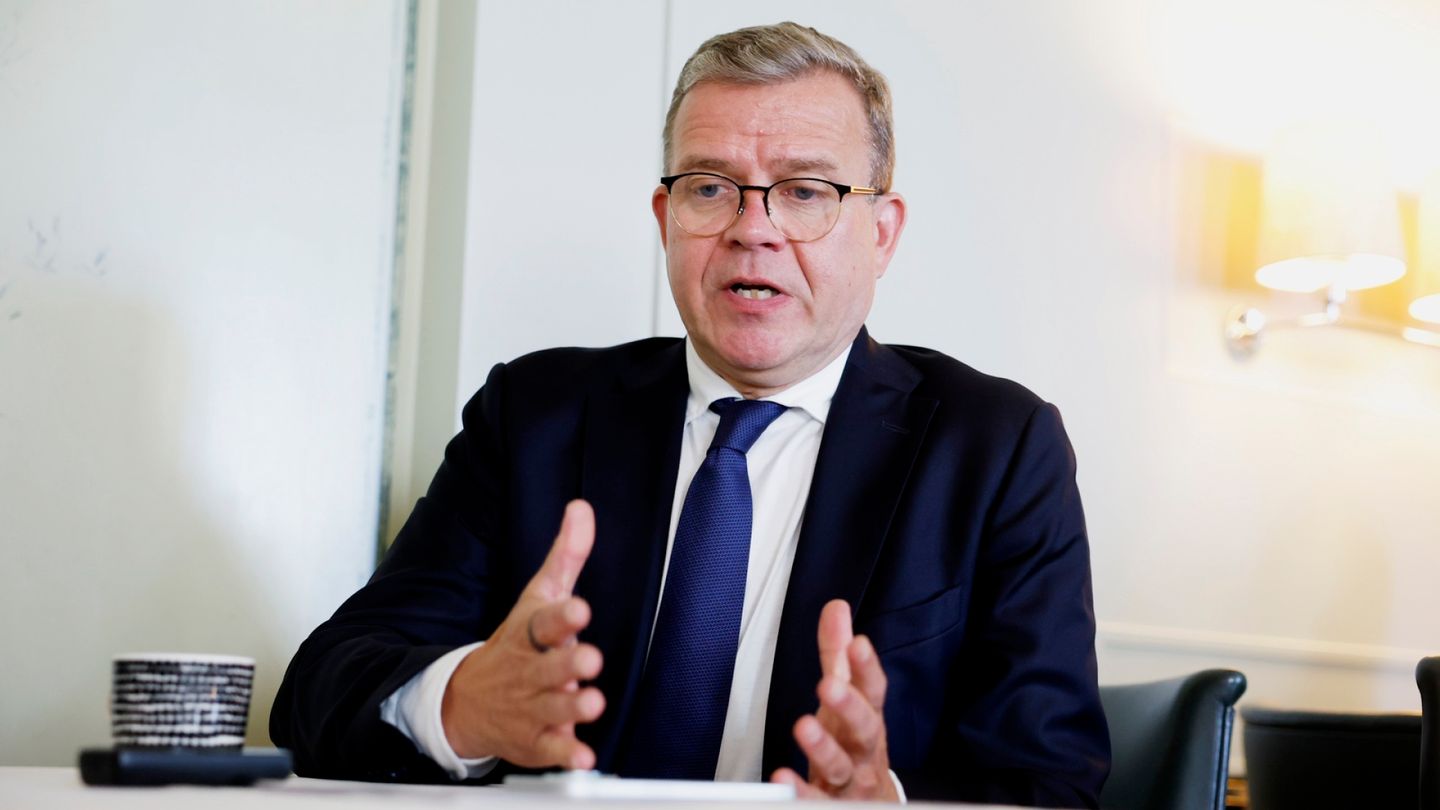
These proposals immediately sparked debate in parliament. The Social Democratic Party (SDP), currently leading in polls, and the ruling National Coalition Party (Kokoomus) both rejected the idea of cutting overtime and Sunday pay. SDP chair Antti Lindtman questioned Prime Minister Petteri Orpo about the possibility of agreeing not to touch these "essential" components of many service sector workers' incomes. Orpo firmly dismissed the notion, stating that overtime compensation is a vital part of income for hundreds of thousands of Finns and that cuts in this area are not being considered. He emphasized that the focus should instead be on fostering economic growth to enable better wages.
These overtime compensations are such an essential part of the income formation for hundreds of thousands of Finns – that is not the place where we are going to cut now, nor would I propose such a thing.
Support for removing public holidays also appears lacking among the most popular parties, as indicated by earlier inquiries. Beyond labor regulations, EK is pushing to accelerate labor immigration, proposing the abolition of labor market testing for work permits. This process currently requires authorities to verify if suitable local labor is available. EK argues that with a declining working-age population, immigration is essential to meet business labor needs and fund the welfare state. The organization also recommends against raising the employee residence permit income threshold further and suggests considering income over the entire permit duration. EK's agenda also includes tax reforms, such as reducing taxes on labor across all income brackets, replacing inheritance tax with capital gains tax, and lowering corporate tax to 15% from the current 20%.
To secure companies' labor needs and to finance our welfare society, the proportion of the working-age population must be kept at a sufficiently high level. This cannot be achieved without immigration.
About this summary
Originally published by Helsingin Sanomat in Finnish. Translated, summarized, and contextualized automatically by DistantNews, with a note on how the source frames the story. Not individually reviewed before publishing. How this works.
More Stories


From Our Blog

News in Translation: What Gets Lost, and How We Keep the Framing

Diaspora Media: How Communities Abroad Follow Home

Traveling Where the Press Is Not Free: How to Read the News There

The Digital Nomad's Guide to Local News

The Same Story, Different Countries: How Coverage Changes at the Border
