

Finnish Minister Says Electric Cars Are a Poor Choice for Low-Income Buyers
Translated from Finnish and summarized by DistantNews. Read the original for the full story.
At a glance
News
Named sources
Ongoing story
- Finland is considering a scrappage subsidy of up to €6,000 for low-income people who replace an older combustion-engine car with an electric vehicle.
- Transport Minister Lulu Ranne says low-income households could have more important uses for the money and questions electric-car reliability.
- The proposed subsidy would cover up to 70% of the replacement vehicle’s price and target people earning about €25,000 or less annually.
A proposed Finnish subsidy for low-income people buying or leasing electric cars has met resistance from the minister overseeing transport policy.
Transport and Communications Minister Lulu Ranne says an electric car can pose a financial risk to a low-income household. “I am absolutely certain that a low-income person would certainly have much more important uses for the money,” she said.
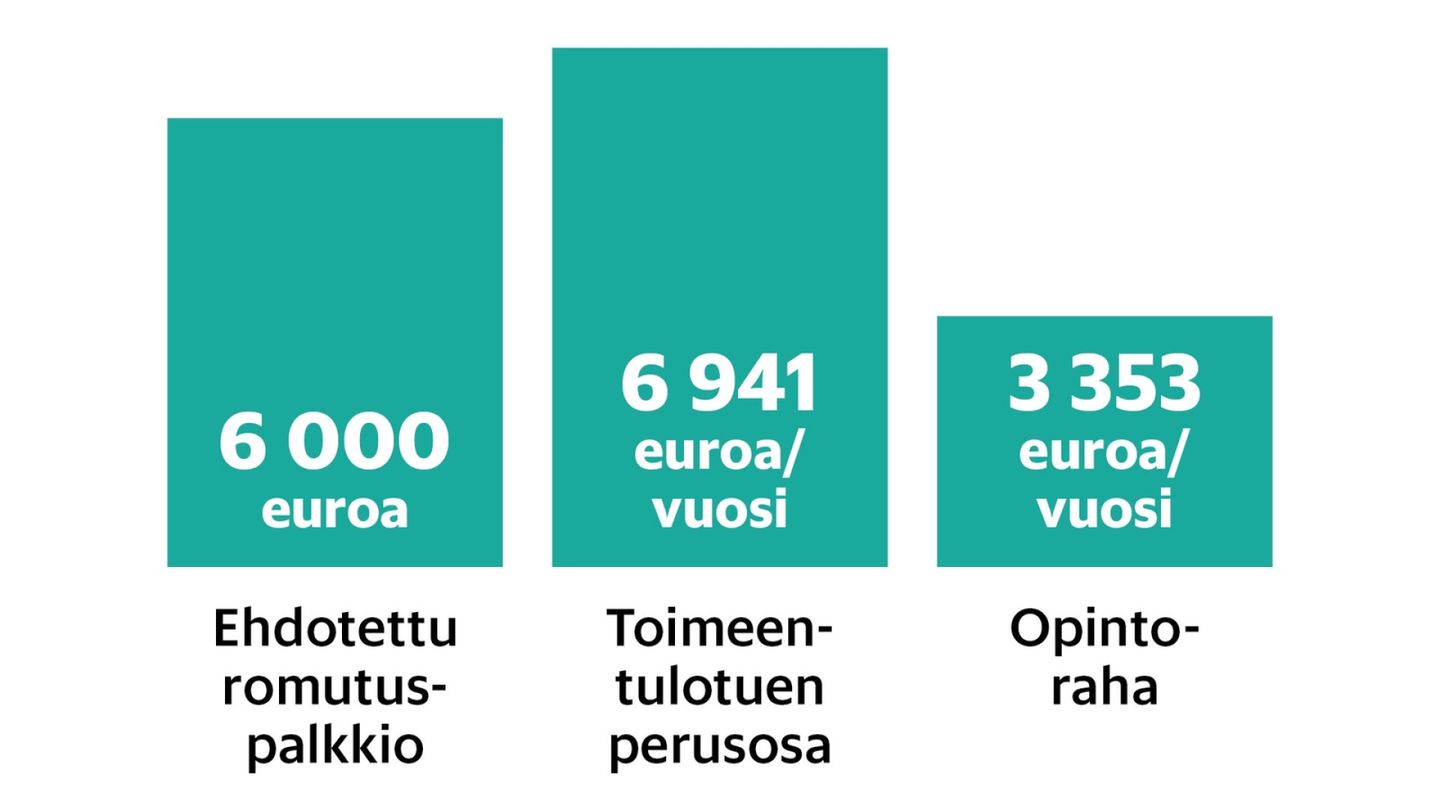
The proposed scrappage scheme, financed mainly through European Union funds, would offer up to €6,000 toward a new or used electric vehicle. The payment could cover no more than 70% of the vehicle’s price. To qualify, a person would need to scrap a combustion-engine car at least 10 years old and currently in road use.
I am absolutely certain that a low-income person would certainly have much more important uses for the money.
The plan defines low income as annual earnings of roughly €25,000 or less, including capital income. Authorities would assess household income, meaning a person would not qualify if their spouse had high earnings. The ministry has not yet decided how long the scrapped car must have been owned or used by the applicant.
Ranne has approved sending the proposal out for consultation, although she does not support the electric-car purchase subsidy. She said that if policymakers want to ease daily life for low-income people, they should avoid increasing the costs of food, driving, electricity and other necessities. She also questioned the reliability of electric vehicles currently on the road, while repeatedly saying that electric and diesel cars both have a future.
If we really want low-income people to get relief in their daily lives, we should not increase the costs of food, driving, electricity and other everyday necessities.
About this summary
Originally published by Helsingin Sanomat in Finnish. Translated, summarized, and contextualized automatically by DistantNews, with a note on how the source frames the story. Not individually reviewed before publishing. How this works.
More Stories



From Our Blog

What Gets Lost (and Found) When News Is Translated

The Critical Role of Diaspora Media in Global News

What Travellers Should Know About Countries with Restricted Press

A Digital Nomad's Guide to Following Local News

How the Same Story Looks Different in Different Countries
