


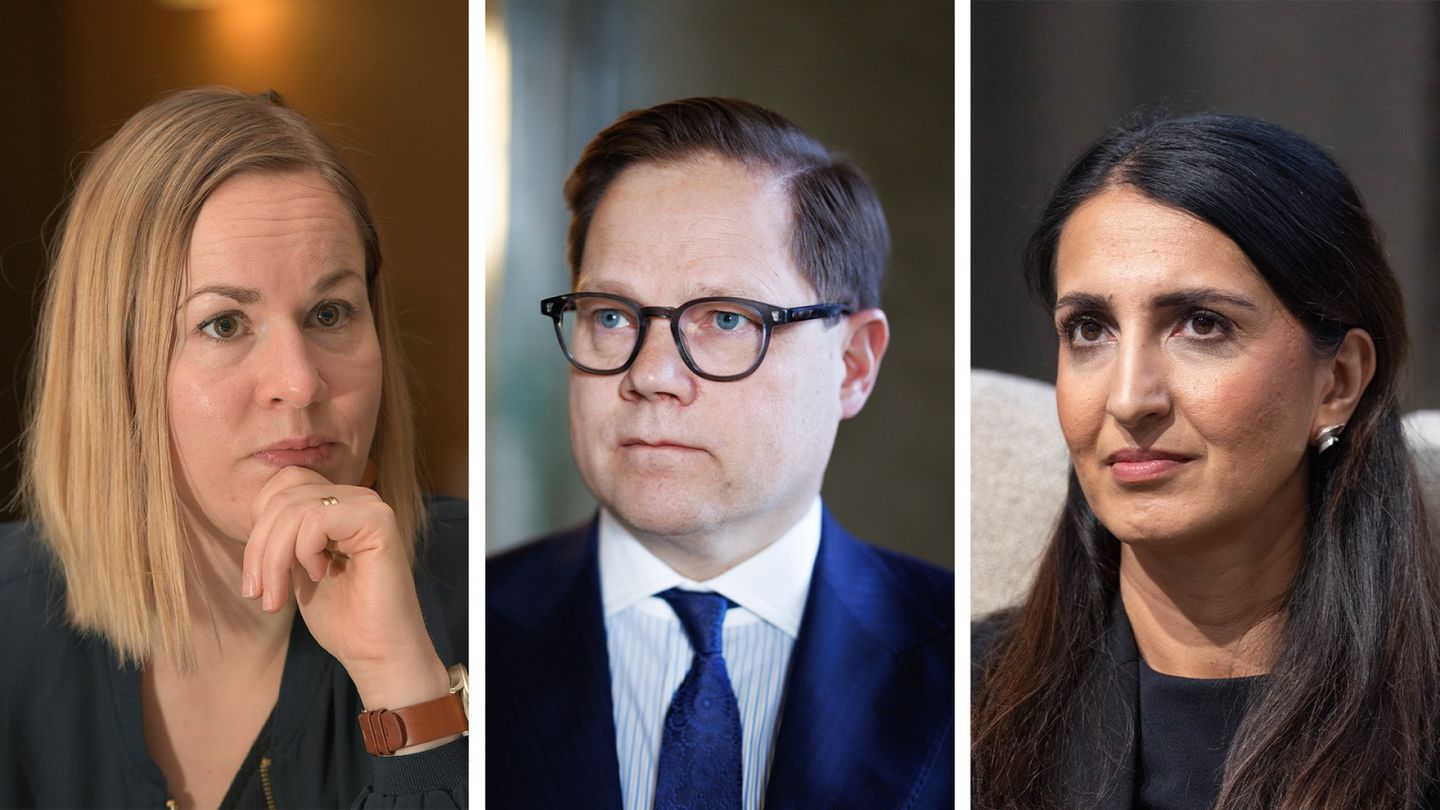
Finnish Opposition Slams Minister's Plan to End Automatic Spending Increases, Citing Poverty Risks
Translated from Finnish, summarized and contextualized by DistantNews.
At a glance
News
Sources not specified
Context piece
- Finland's opposition parties strongly criticize Finance Minister Riikka Purra's proposal to eliminate automatic index adjustments for state spending, fearing it would increase poverty.
- Purra suggested that all automatic increases in spending, such as index adjustments due to inflation, should be subject to explicit political decisions rather than occurring automatically.
- The opposition, particularly the Left Alliance, argues that removing these adjustments would lead to cuts in social security, services, and education, worsening the economic situation for vulnerable populations.
Finland's opposition parties have vehemently rejected Finance Minister Riikka Purra's suggestion that state spending should no longer automatically increase with rising prices, arguing that such a move would exacerbate poverty. In an interview with HS, Purra proposed that all automatic increases in state expenditures, known as index adjustments, should be replaced by explicit political decisions. These adjustments currently ensure that the purchasing power of benefits and appropriations remains stable despite inflation, affecting areas like social benefits, municipal state subsidies, welfare area funding, and university budgets. "We need to dismantle this automaticity. Instead, we should rely more on direct political decisions about whether to increase spending in certain sectors," Purra stated. However, opposition lawmakers, including Hanna Sarkkinen of the Left Alliance, Nasima Razmyar of the Social Democratic Party (SDP), and Markus Lohi of the Centre Party, expressed strong reservations. Sarkkinen was particularly critical, stating, "If the index system is dismantled, it means cutting social security, social and health services, and education at all levels with a cheese slicer. The Left Alliance does not support this." She pointed to the current government's decision not to raise student aid, housing benefits, and unemployment benefits, which are now 9% lower than they would have been without the freeze. "This is not a technical matter. It is practically a cut to people's lives," Sarkkinen argued, noting that poverty and homelessness have already increased. SDP's deputy leader, Razmyar, adopted a more cautious tone, acknowledging the significant austerity measures likely needed in the next government term. "We haven't had an internal party discussion on this yet," she said, but added that index freezes cannot be entirely ruled out. She stressed the importance of making such decisions "sensibly" and considering impact assessments, particularly for basic income and vulnerable groups. Razmyar also recognized the critical role of index adjustments for higher education, recalling the severe impact of previous freezes on institutions like the University of Helsinki.
We need to dismantle this automaticity. Instead, we should rely more on direct political decisions about whether to increase spending in certain sectors.
DistantNews Editorial
Originally published by Helsingin Sanomat in Finnish. Translated, summarized, and contextualized by our editorial team with added local perspective. Read our editorial standards.
More Stories
From Our Blog

What Gets Lost (and Found) When News Is Translated

The Critical Role of Diaspora Media in Global News

What Travellers Should Know About Countries with Restricted Press

A Digital Nomad's Guide to Following Local News

How the Same Story Looks Different in Different Countries
