



First Aid: Training Content Should Expand to Meet Modern Needs
Translated from Finnish, summarized and contextualized by DistantNews.
At a glance
Opinion
Sources not specified
Context piece
- A reader suggests expanding first aid training to include everyday emergency situations beyond immediate life-threatening events.
- The writer shares personal experiences encountering individuals in distress, such as a disoriented elderly person and a young person experiencing anxiety.
- Current training focuses on critical skills like CPR and bleeding control, but the writer argues for a broader scope to address non-physical emergencies.
Current first aid training should be broadened to encompass the types of everyday emergencies that individuals might encounter in urban or outdoor settings, argues Johanna Heikkilä in an opinion piece for Helsingin Sanomat.
Heikkilä, who has completed emergency first aid training twice, is familiar with crucial skills like resuscitation, hemorrhage control, and burn treatment. She emphasizes the vital importance of these abilities for everyone.
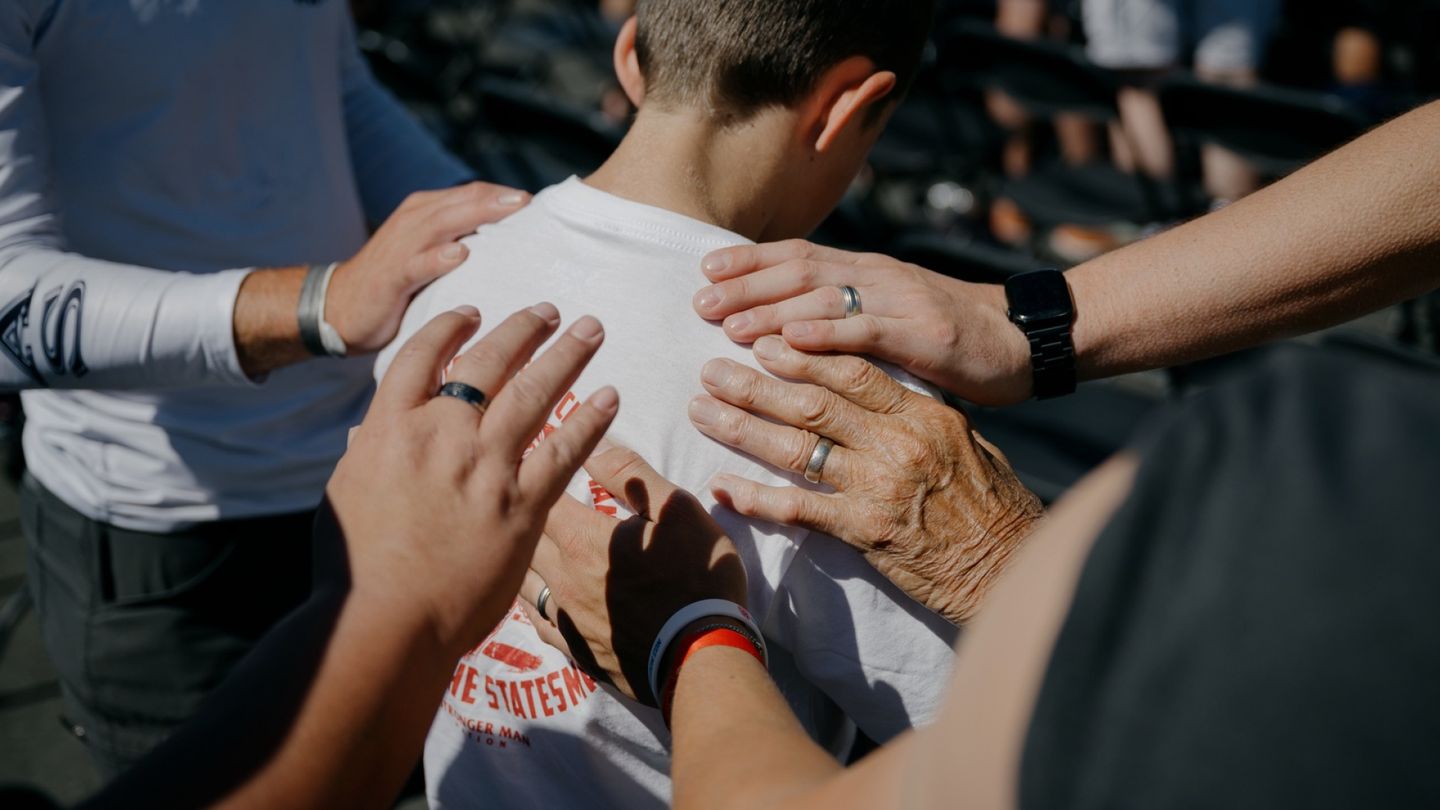
However, she recounts several instances where she encountered people in distress for whom her training provided no guidance. These included a disoriented elderly person during a forest walk and a young individual asking for help with anxiety in the city. She notes other similar situations where people were not bleeding or in immediate physical danger but still required assistance.
Heikkilä believes that first aid courses should equip individuals to handle these less critical but still significant situations, which can arise unexpectedly for anyone. The current curriculum, she suggests, needs to adapt to the realities of modern life and the diverse needs of people seeking help.
DistantNews Editorial
Originally published by Helsingin Sanomat in Finnish. Translated, summarized, and contextualized by our editorial team with added local perspective. Read our editorial standards.
More Stories

From Our Blog

What Gets Lost (and Found) When News Is Translated

The Critical Role of Diaspora Media in Global News

What Travellers Should Know About Countries with Restricted Press

A Digital Nomad's Guide to Following Local News

How the Same Story Looks Different in Different Countries
