


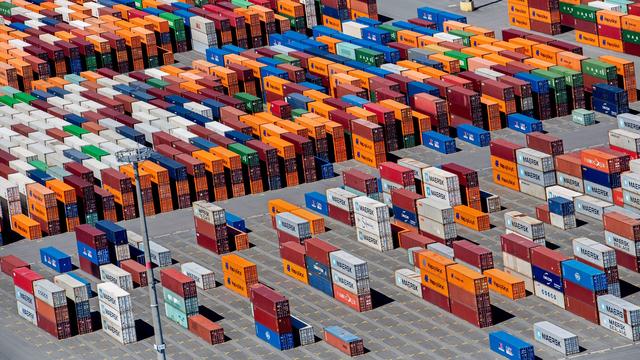
First Half Results: German Seaports Handle More Containers, Less Bulk Cargo
Translated from German, summarized and contextualized by DistantNews.
At a glance
News
Official statement
New plan
- German seaports handled 7% more goods in the first half of 2026 compared to the previous year, reaching 31.1 million tons.
- Container traffic saw a significant 36% increase, now forming a large part of the total cargo volume.
- While some ports like Wilhelmshaven and Stade saw growth, others like Brake and Cuxhaven experienced declines due to factors including U.S. customs policy and a lack of construction materials.
German seaports reported a robust increase in cargo handling for the first half of 2026, with a 7% rise in sea-side throughput compared to the same period last year, totaling 31.1 million tons. The growth was primarily driven by container traffic and other general cargo, such as wind energy components and steel.
Container handling experienced a particularly strong surge, growing by 36% compared to the first half of 2025. This significant increase means containers and other general cargo now constitute a substantial portion of the overall cargo volume handled by ports in Lower Saxony. The volume of new vehicles processed remained stable at the previous year's level.
Wilhelmshaven emerged as the strongest port, experiencing growth in containers, coal, building materials, and new vehicles, although it saw declines in crude oil and petroleum products. Stade and Papenburg also reported gains, attributed to increased demand from local industries and higher volumes of general and project cargo in Stade, and a rise in both sea and inland waterway transport in Papenburg.
However, the performance was not uniform across all ports. Brake, Cuxhaven, Emden, and Nordenham showed weaker development. In Brake, declines in grain and feedstuff, along with U.S. customs policies, impacted throughput. Cuxhaven lacked construction materials that had boosted figures the previous year. Emden's gains in wind energy components and liquid bulk cargo could not offset other decreases, while Nordenham saw a reduction in coal and liquid gas shipments. Oldenburg remained inaccessible to seagoing vessels due to ongoing bridge construction, relying on inland barges and rail for supply.
DistantNews Editorial
Originally published by Die Zeit in German. Translated, summarized, and contextualized by our editorial team with added local perspective. Read our editorial standards.
More Stories



From Our Blog

What Gets Lost (and Found) When News Is Translated

How the Same Story Looks Different in Different Countries

The Critical Role of Diaspora Media in Global News

What Travellers Should Know About Countries with Restricted Press

A Digital Nomad's Guide to Following Local News
