

First Puffin Chick in 30 Years Hatches on England's South Coast, Offering Conservation Hope
Translated from English, summarized and contextualized by DistantNews.
At a glance
News
Named sources
Outcome reported
- For the first time in 30 years, a puffin chick has successfully emerged from a nesting site on England's south coast.
- The chick's hatching marks a significant conservation milestone for the country's last mainland puffin colony at Dancing Ledge, Dorset.
- Conservationists monitored the nesting process for 15 weeks, employing remote methods to ensure the birds' well-being and the colony's fragile future.
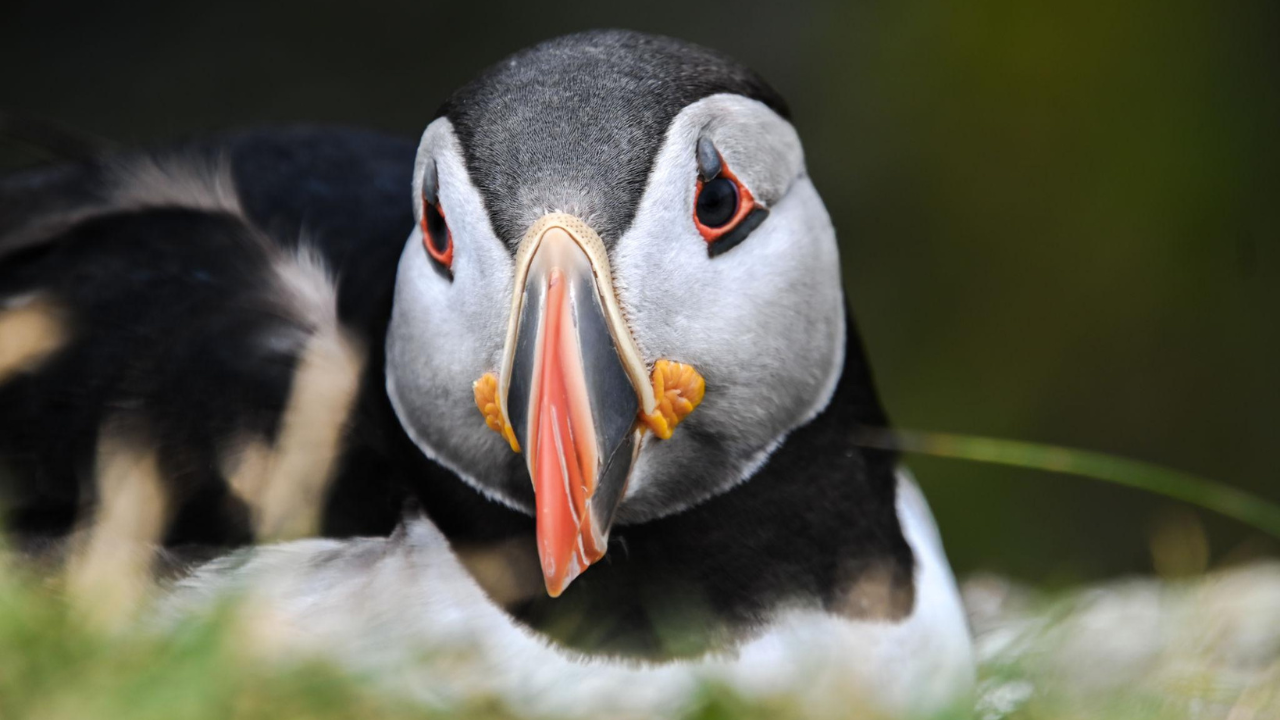
A glimmer of hope has emerged for England's fragile puffin population as the first puffin chick in three decades has successfully hatched and emerged from its nest on the country's south coast. The tiny seabird was photographed emerging from a rocky crevice at Dancing Ledge on Dorset's Isle of Purbeck.
This sighting represents a monumental conservation success, marking the first confirmed puffin chick at England's last remaining mainland south coast colony in approximately 30 years. The colony, once boasting over 40 breeding pairs in the 1950s, has dwindled to just three pairs. The successful fledging is being hailed as a crucial milestone, offering a welcome sign that this fragile population might still have a chance to recover.
Conservation efforts involved 15 weeks of meticulous monitoring by National Trust volunteers and seabird expert Dr. Richard Caldow. To minimize disturbance to the nesting birds, the team utilized trail cameras and long-distance observations. Evidence of the chick's development was observed when adult puffins were repeatedly seen bringing small fish back to the burrow. The monitoring eventually paid off when cameras captured the puffling's emergence and successful fledging.
Dancing Ledge, located on the Jurassic Coast, has long served as a nesting habitat for seabirds. While the UK hosts large puffin colonies elsewhere, the Purbeck birds are unique as England's last mainland south coast colony. Scientists attribute the colony's decline to factors such as changing sea temperatures, reduced availability of small fish like sand eels, and the challenges faced by such a small, isolated population. The successful breeding season offers a vital boost to the colony's future prospects.
DistantNews Editorial
Originally published by Times of India in English. Translated, summarized, and contextualized by our editorial team with added local perspective. Read our editorial standards.
More Stories

From Our Blog

What Press Freedom Means for the News You Read

What Gets Lost (and Found) When News Is Translated

The Critical Role of Diaspora Media in Global News

What Travellers Should Know About Countries with Restricted Press

A Digital Nomad's Guide to Following Local News
