


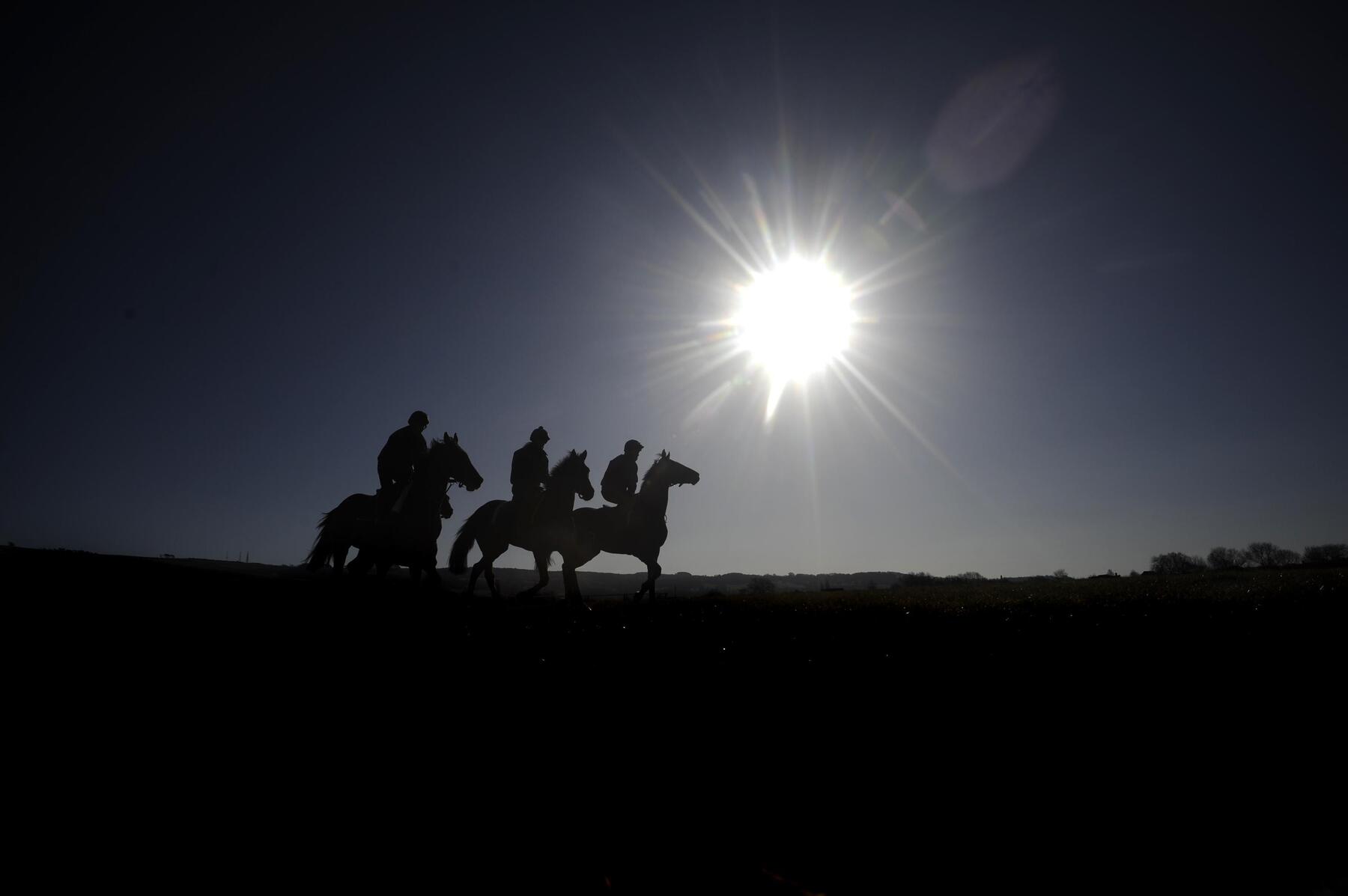
First Riders: New research pushes back timeline of horse domestication
Translated from German, summarized and contextualized by DistantNews.
At a glance
Analysis
Documents & data
Context piece
- New research suggests humans began domesticating and riding horses around 5,500 years ago, predating previous estimates of 2,200-2,100 BC.
- Analysis of skeletal changes in the pelvis and femur indicates frequent riding, with evidence found in the Yamnaya culture.
- This longer history of horse domestication, potentially linked to the Yamnaya people's nomadic lifestyle and innovations like the wheel, revolutionized human history.
Humans may have begun riding horses much earlier than previously believed, with new research suggesting the practice dates back approximately 5,500 years. This challenges the long-held theory that horse domestication began around 2200-2100 BC.
A horse without a rider is always a horse, a rider without a horse is just a human.
An overview paper by David Anthony, Martin Trautmann, and Volker Heyd, published in Science Advances, analyzed skeletal evidence to support this earlier timeline. "We have found signs of initial horse taming towards the end of the third millennium BC," said co-author Volker Heyd from the University of Helsinki. Heyd explained that skeletal adaptations in the thigh bone and pelvis indicate frequent riding. "The thigh and pelvis adapt when someone sits on a horse often," he noted.
Thigh and pelvis adapt when someone sits on a horse often.
While ancient riding equipment rarely survives, the impact on the human skeleton provides bioanthropological evidence. Heyd became interested in the topic after encountering skeletal evidence of riders during excavations in Romania. The research points to the Yamnaya culture, an archaeological group from the Pontic-Caspian steppe, as potentially being among the earliest riders. The Yamnaya people expanded rapidly over thousands of kilometers, possibly becoming some of the world's first nomads.
We have found signs of initial horse taming towards the end of the third millennium BC.
This extended period of horse domestication, coupled with innovations like the wheel and wagon, likely fueled the Yamnaya's mobility and expansion. Heyd described the development as a revolution in human history, stating, "An old world collapsed, a new one was built."
It was a revolution in human history. An old world collapsed, a new one was built.
DistantNews Editorial
Originally published by Die Presse in German. Translated, summarized, and contextualized by our editorial team with added local perspective. Read our editorial standards.
More Stories



From Our Blog

What Gets Lost (and Found) When News Is Translated

The Critical Role of Diaspora Media in Global News

What Travellers Should Know About Countries with Restricted Press

A Digital Nomad's Guide to Following Local News

How the Same Story Looks Different in Different Countries
