

First U.S. military deaths since ceasefire reported after Iranian attack on Jordan base; U.S. vows retaliation
Translated from Korean, summarized and contextualized by DistantNews.
At a glance
News
Sources not specified
Ongoing story
- Two U.S. soldiers were killed and one went missing following an Iranian attack on a Jordanian airbase, marking the first U.S. fatalities since a ceasefire began in April.
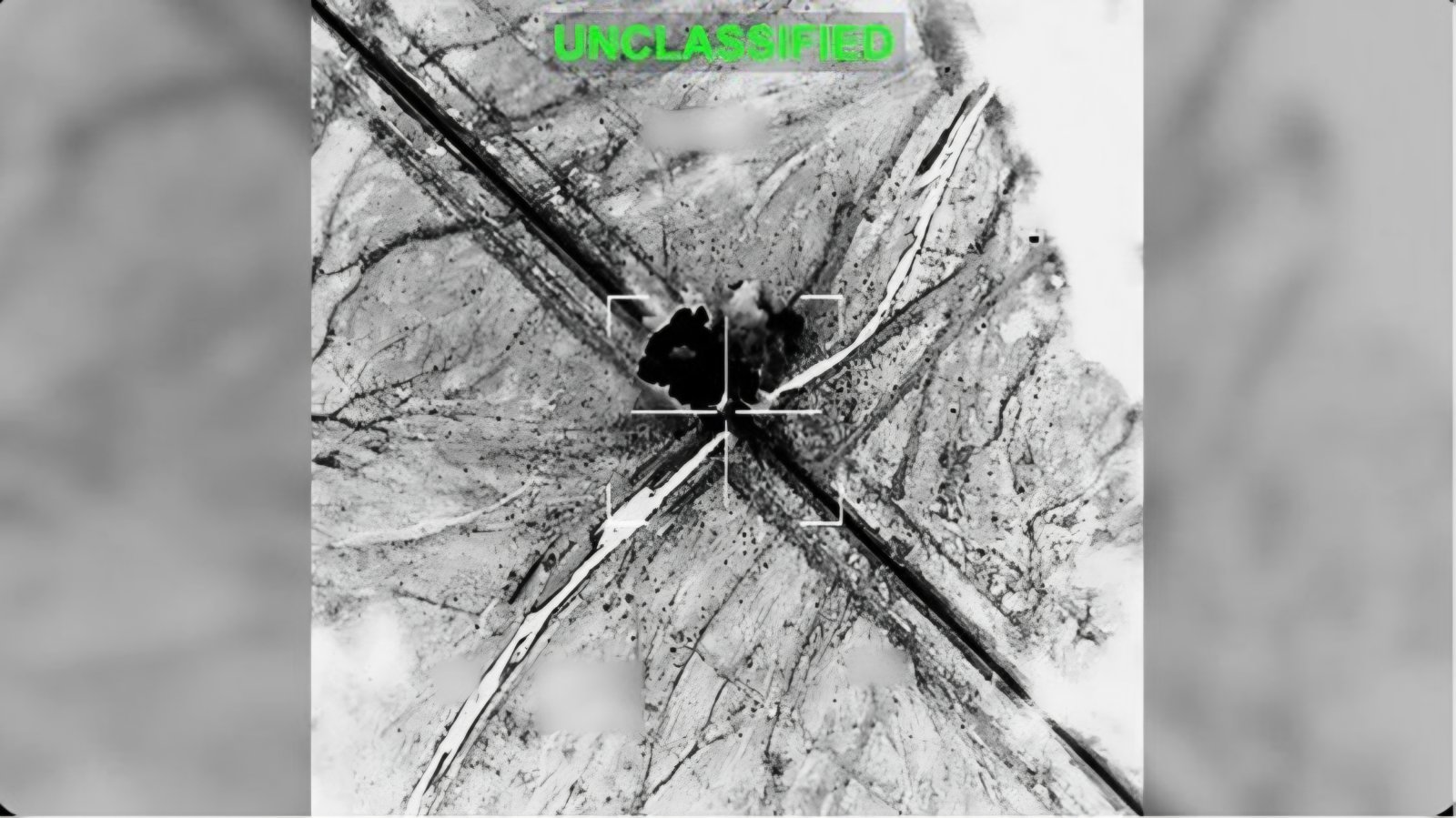
- The U.S. Central Command has vowed retaliation and launched eight consecutive days of airstrikes targeting Iranian radar, missile, and drone facilities, as well as energy and logistics infrastructure on Qeshm Island.
- This incident has heightened concerns about a potential escalation of conflict between the U.S. and Iran.
A recent Iranian attack on a Jordanian airbase resulted in the deaths of two U.S. soldiers and the disappearance of another, marking the first American casualties since a ceasefire was established in April. The incident has significantly amplified fears of a wider conflict between the United States and Iran.
The U.S. Central Command confirmed the casualties, stating that two soldiers died and one went missing after Iranian forces launched ballistic missiles and drones toward the Jordanian airbase. This brings the total number of U.S. military deaths since the conflict began in February to 16, with 430 wounded.
In response, the U.S. Central Command has declared its intention to retaliate. For eight consecutive days, U.S. forces have conducted airstrikes targeting strategic locations in the Strait of Hormuz, including Qeshm Island, which houses Iranian radar, missile, and drone facilities, as well as energy and logistics infrastructure.
President Trump, in an interview with NewsNation, expressed his condolences for the fallen soldiers and reiterated his commitment to preventing Iran from acquiring nuclear weapons. The ongoing airstrikes underscore the U.S. resolve to respond forcefully to the attack, signaling a potentially volatile period ahead in the region.
We will absolutely not allow Iran to have nuclear weapons.
DistantNews Editorial
Originally published by Dong-A Ilbo in Korean. Translated, summarized, and contextualized by our editorial team with added local perspective. Read our editorial standards.
More Stories



From Our Blog

What Gets Lost (and Found) When News Is Translated

The Critical Role of Diaspora Media in Global News

What Travellers Should Know About Countries with Restricted Press

A Digital Nomad's Guide to Following Local News

How the Same Story Looks Different in Different Countries
