

Fisherman nets baby crocodile in Melaka river
Translated from Malay, summarized and contextualized by DistantNews.
At a glance
News
Sources not specified
Context piece
- A fisherman in Melaka, Malaysia, unexpectedly caught a baby crocodile in his fishing net.
- The 1.5-meter long, 15-kilogram crocodile was struggling in the net when the fisherman discovered it.
- Local officials are calling for attention to natural habitat preservation to prevent wildlife from entering residential areas.
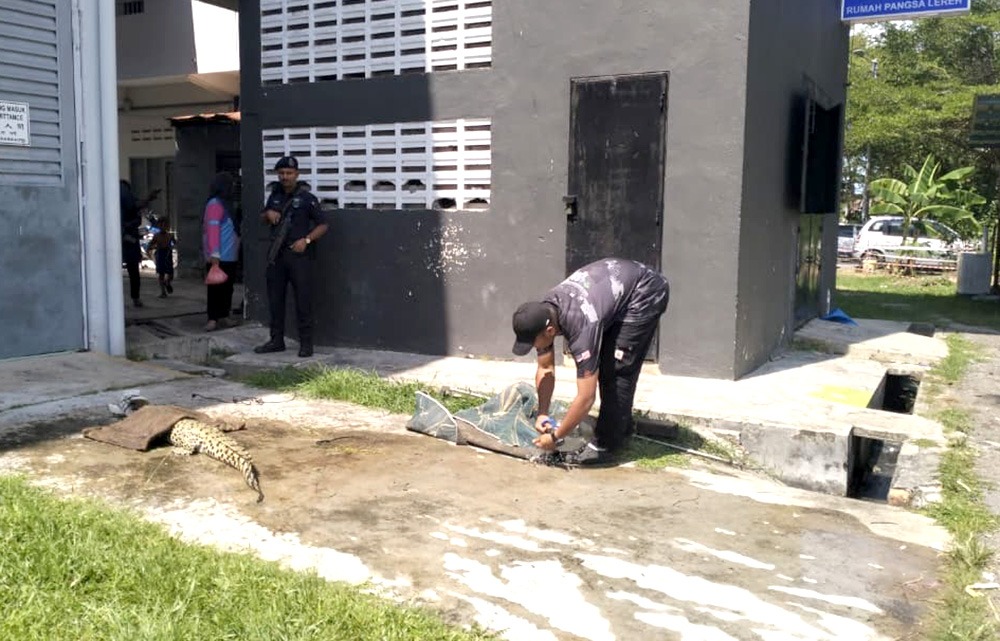
A routine fishing trip in Sungai Lereh, Melaka, turned into an unforgettable experience for Muhammad Rafiq Musa, 36, when his net yielded more than just fish. Instead of a large catch, he found a baby crocodile, approximately 1.5 meters long and weighing around 15 kilograms, struggling within his fishing net.
Musa initially thought his net was snagged on a large object underwater. Upon closer inspection, he realized a reptile was trapped. He described the crocodile as aggressive, attempting to bite as he worked to free it. He carefully secured its mouth with a rope and covered its head with a sack to gain control before moving it to a safe area.
I thought the net was stuck or I had caught a big fish. When I pulled it slowly, it turned out to be a baby crocodile trapped in the net.
The presence of crocodiles in the river is not uncommon for locals and fishermen, particularly near the river mouth during low tide. However, the incident prompted a response from local officials.
Datuk Lim Ban Hong, the State Assemblyman for Klebang, emphasized the need for serious attention to natural habitat preservation. He stated that disruptions to natural habitats due to pollution and uncontrolled development force wildlife, like crocodiles, to seek new food sources and shelter, leading them into populated areas.
I used a rope to tie its mouth first before covering its face with a sack. Only then could I control its movements and bring it to a safe area.
DistantNews Editorial
Originally published by Utusan Malaysia in Malay. Translated, summarized, and contextualized by our editorial team with added local perspective. Read our editorial standards.
More Stories
From Our Blog

What Gets Lost (and Found) When News Is Translated

The Critical Role of Diaspora Media in Global News

What Travellers Should Know About Countries with Restricted Press

A Digital Nomad's Guide to Following Local News

How the Same Story Looks Different in Different Countries
