


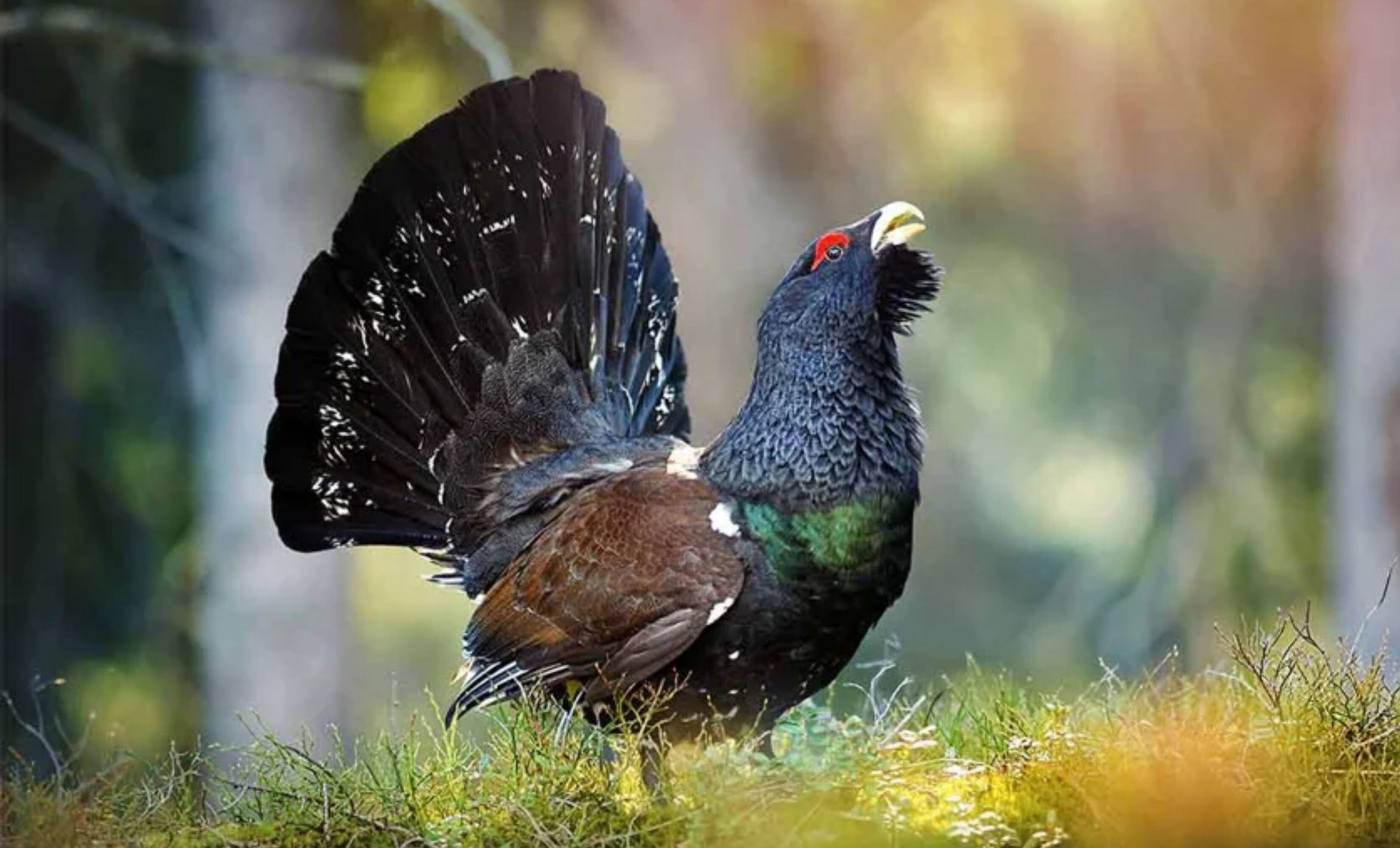
Five million dollars spent to save 30 endangered birds; only one survived
Translated from Spanish, summarized and contextualized by DistantNews.
At a glance
News
Documents & data
Outcome reported
- A conservation project in Spain spent over $5 million to release 30 endangered Cantabrian capercaillies into the wild.
- Six months later, only one female bird survived, with 29 dying primarily due to predation by foxes.
- The project highlights the significant challenges in protecting the critically endangered species.
A Spanish conservation effort aimed at reviving the endangered Cantabrian capercaillie has resulted in a devastatingly low survival rate. The project, which involved releasing 30 captive-bred birds into the wild in León province, cost over $5 million but saw 29 of the birds perish within six months.
The initiative, managed by the Valsemana Breeding Center, sought to bolster the dwindling wild populations of this iconic bird in the Cantabrian Mountains. The released capercaillies were placed in the Alto Sil Special Protection Area for Birds (ZEPA), a crucial habitat for the species. Before their release, the birds underwent a preparation period in specially adapted enclosures to help them adjust to natural conditions.
Monitoring through GPS and VHF transmitters revealed the harsh reality faced by the birds. Foxes were identified as the primary predators, responsible for 12 confirmed attacks. Other predators, including birds of prey and martens, accounted for additional deaths. This high mortality rate underscores the immense difficulties conservationists face in protecting a species on the brink of extinction, particularly from natural predation in its habitat.
DistantNews Editorial
Originally published by La Nación in Spanish. Translated, summarized, and contextualized by our editorial team with added local perspective. Read our editorial standards.
More Stories


From Our Blog

What Gets Lost (and Found) When News Is Translated

The Critical Role of Diaspora Media in Global News

What Travellers Should Know About Countries with Restricted Press

A Digital Nomad's Guide to Following Local News

How the Same Story Looks Different in Different Countries
