


Fix Nepal’s blocked roads to keep rescue and relief moving
Summarized by DistantNews. Read the original for the full story.
At a glance
Opinion
Sources not specified
Ongoing story
- Floods and landslides have severed major roads in Rasuwa and Nuwakot, obstructing rescue operations and isolating communities.
- More than 4,000 people remain missing, while heavy machinery, ambulances, fuel and relief supplies struggle to reach affected areas.
- The article argues that restoring road access should become the government's first logistical priority in the emergency response.
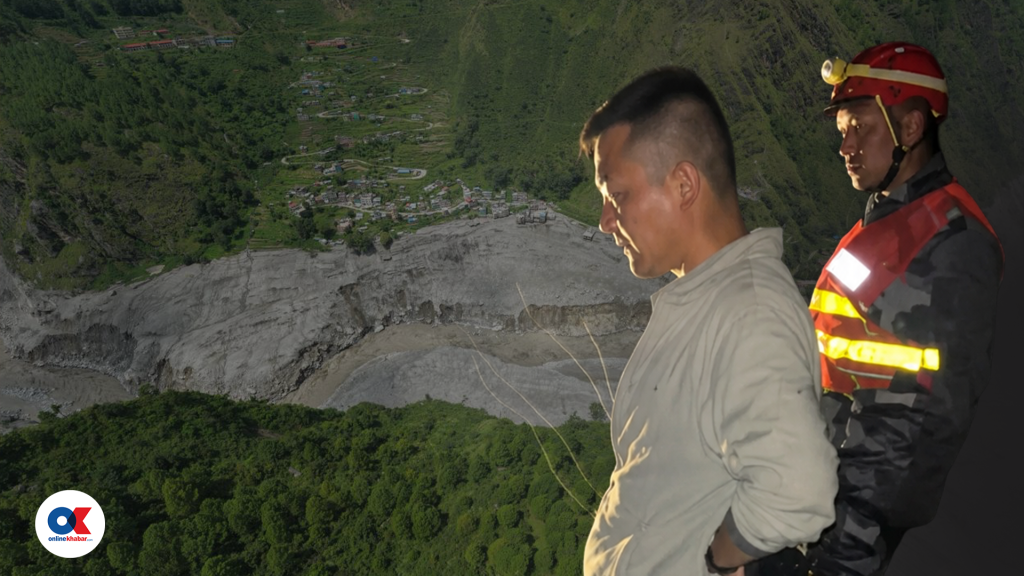
Nepal's rescue effort is being slowed by the same roads needed to reach people trapped by the Bhotekoshi flood and landslides. In Rasuwa and Nuwakot, key routes for people, food, fuel and equipment have been washed away or buried.
The Trishuli-Mailung-Syabrubesi Road has been cut at Khalte, while landslide debris has covered the Pasang Lhamu Highway. Farther south, landslides at Krishna Bhir and Parewa Bhir have blocked the Prithvi Highway, Nepal's main connection between Kathmandu and the rest of the country. Amachhodingmo Rural Municipality is completely isolated.
More than 20,000 security personnel are deployed, but personnel cannot replace heavy equipment. Helicopters are spread across rescue missions and cannot easily carry excavators into remote mountain valleys. The Nepali Army has dismantled machinery before airlifting it, while rescuers at places such as the Upper Trishuli 3A project have been forced to dig through deep mud and debris by hand.
The access problem reaches beyond rescue sites. Ambulances cannot transport trauma patients to specialist hospitals, and drilling equipment needed to reach workers trapped in flooded tunnels cannot reach the Trishuli-3A hydropower project. Villages could soon run short of food, water, medicine and fuel.
Helicopters cannot fully replace road transport. Monsoon fog and poor visibility can ground them, and their weight limits prevent them from carrying the quantities of supplies needed by thousands of displaced people. If fuel tankers cannot get through, rescue vehicles, generators and communications towers could also face shortages. The article therefore presents road clearance as a life-saving operation, not simply a construction task.
About this summary
Originally published by Kathmandu Post. Summarized and contextualized automatically by DistantNews, with a note on how the source frames the story. Not individually reviewed before publishing. How this works.
More Stories


From Our Blog

What Gets Lost (and Found) When News Is Translated

The Critical Role of Diaspora Media in Global News

What Travellers Should Know About Countries with Restricted Press

A Digital Nomad's Guide to Following Local News

How the Same Story Looks Different in Different Countries
