

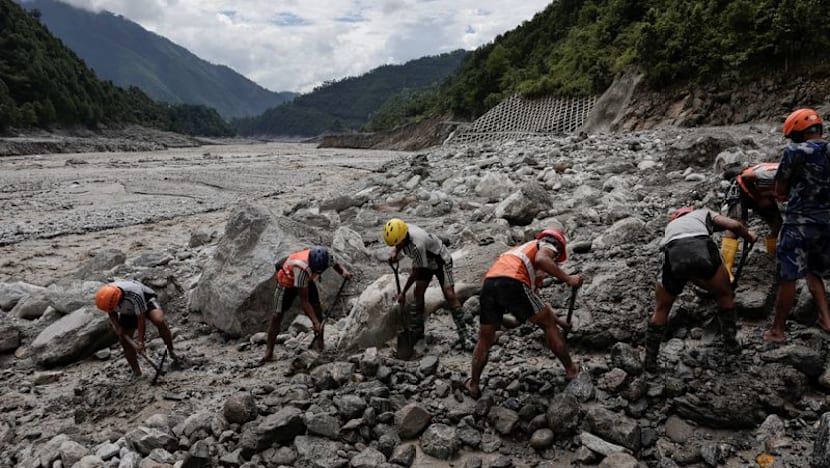

Flash floods kill 20 in Afghanistan, 100 missing
Translated from English and summarized by DistantNews. Read the original for the full story.
At a glance
News
Official statement
Ongoing story
- At least 20 people died and 100 are missing following flash floods in northeastern Afghanistan on Monday.
- The death toll is expected to rise, with most damage reported in Nuristan province.
- Afghanistan is highly vulnerable to climate change impacts, with deforestation exacerbating flood risks.
Flash floods swept through northeastern Afghanistan on Monday, killing at least 20 people and leaving 100 others missing, according to the Taliban-run government. Officials anticipate the death toll will climb as search and rescue operations continue in the remote Nuristan province, near the Afghan-Pakistani border.
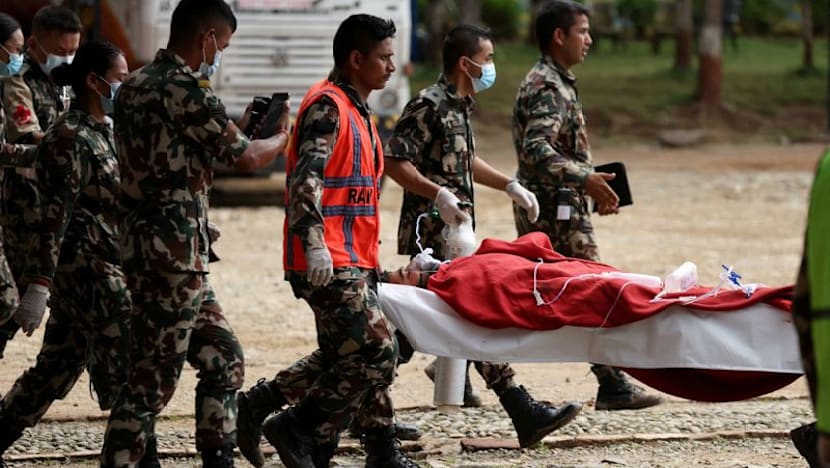
The National Disaster Management Authority reported that at least 80 people were injured in the devastating floods. The authority expressed fears of "severe financial and human losses" as rescuers work in the affected areas. Most of the reported damage occurred in Parun, the capital of Nuristan.
Afghanistan remains acutely vulnerable to the impacts of climate change. The country experiences increased drought in some regions and more intense rainfall in others. In Nuristan and surrounding provinces, deforestation has significantly worsened the severity of flash floods in recent decades by reducing the soil's capacity to absorb rainwater.
severe financial and human losses
About this summary
Originally published by The Straits Times in English. Translated, summarized, and contextualized automatically by DistantNews, with a note on how the source frames the story. Not individually reviewed before publishing. How this works.
More Stories


From Our Blog

News in Translation: What Gets Lost, and How We Keep the Framing

Diaspora Media: How Communities Abroad Follow Home

Traveling Where the Press Is Not Free: How to Read the News There

The Digital Nomad's Guide to Local News

The Same Story, Different Countries: How Coverage Changes at the Border
