


Flesh-eating parasite screwworm returns to US Southwest, threatening pets and livestock
Translated from English, summarized and contextualized by DistantNews.
At a glance
News
Named sources
Context piece
- Screwworm, a flesh-eating parasite, has reappeared in the US Southwest for the first time since the 1970s, threatening livestock, wildlife, and pets.
- Veterinarians advise pet owners to watch for swollen, oozing wounds, signs of pain, and a foul odor, urging prompt veterinary attention for any suspicious signs.
- Prevention may involve monthly parasite medications, and treatment typically includes larvae removal, wound cleaning, and antibiotics.
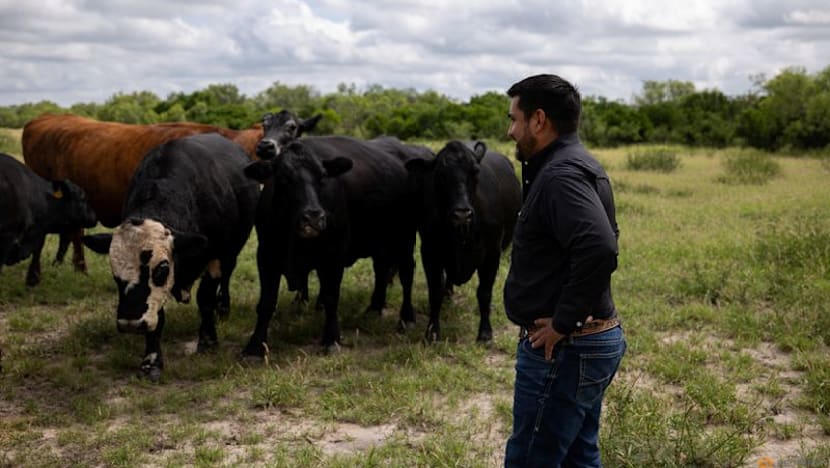
Screwworm, a dangerous parasitic fly whose larvae feed on living animals, has returned to the US Southwest for the first time in decades, raising concerns for livestock, wildlife, and household pets. The pest's reappearance marks its northward spread from Central America and Mexico.
Veterinarians are urging pet owners, especially those near the US-Mexico border, to be vigilant for specific symptoms. These include wounds that swell, ooze pus, or fail to heal, as well as signs of animal distress like excessive licking, lethargy, or loss of appetite. A particularly telling sign is a foul odor of rotting flesh emanating from a wound. Experts emphasize that any suspicious wound warrants a veterinary visit, even if maggots are not immediately visible.
Stray animals are considered most at risk and could act as vectors for spreading the parasite to domestic pets. Residents are advised to monitor strays and contact animal control if screwworm infestation is suspected. "The consequences of missing one or two cases is so great that if the public sees anything suspicious, take it into your vet,” said Dr. Pancho Hubert, president of the Texas Veterinary Medical Association. “It might not be anything, but these wounds carry so much significance.”
Prevention may be possible through regular use of monthly parasite medications, such as those used for fleas and ticks, as these can kill parasites feeding on the animal. Treatment by a veterinarian typically involves removing larvae and eggs, cleaning the wound, and administering antibiotics. Animals treated early generally survive.
The consequences of missing one or two cases is so great that if the public sees anything suspicious, take it into your vet. It might not be anything, but these wounds carry so much significance.
DistantNews Editorial
Originally published by CNA in English. Translated, summarized, and contextualized by our editorial team with added local perspective. Read our editorial standards.
More Stories



From Our Blog

What Gets Lost (and Found) When News Is Translated

The Critical Role of Diaspora Media in Global News

What Travellers Should Know About Countries with Restricted Press

A Digital Nomad's Guide to Following Local News

How the Same Story Looks Different in Different Countries
