

Flipping the script: USask research focuses on therapy dog’s perspective
Summarized and contextualized by DistantNews.
At a glance
In-depth
Named sources
Context piece
- University of Saskatchewan research explores the perspective of therapy dogs.
- Dr. Colleen Dell's Pawsitive Connections Lab investigates how dogs experience their therapy work.
- New funding will support research into animal perspectives and mental health benefits for truck drivers with animal companions.
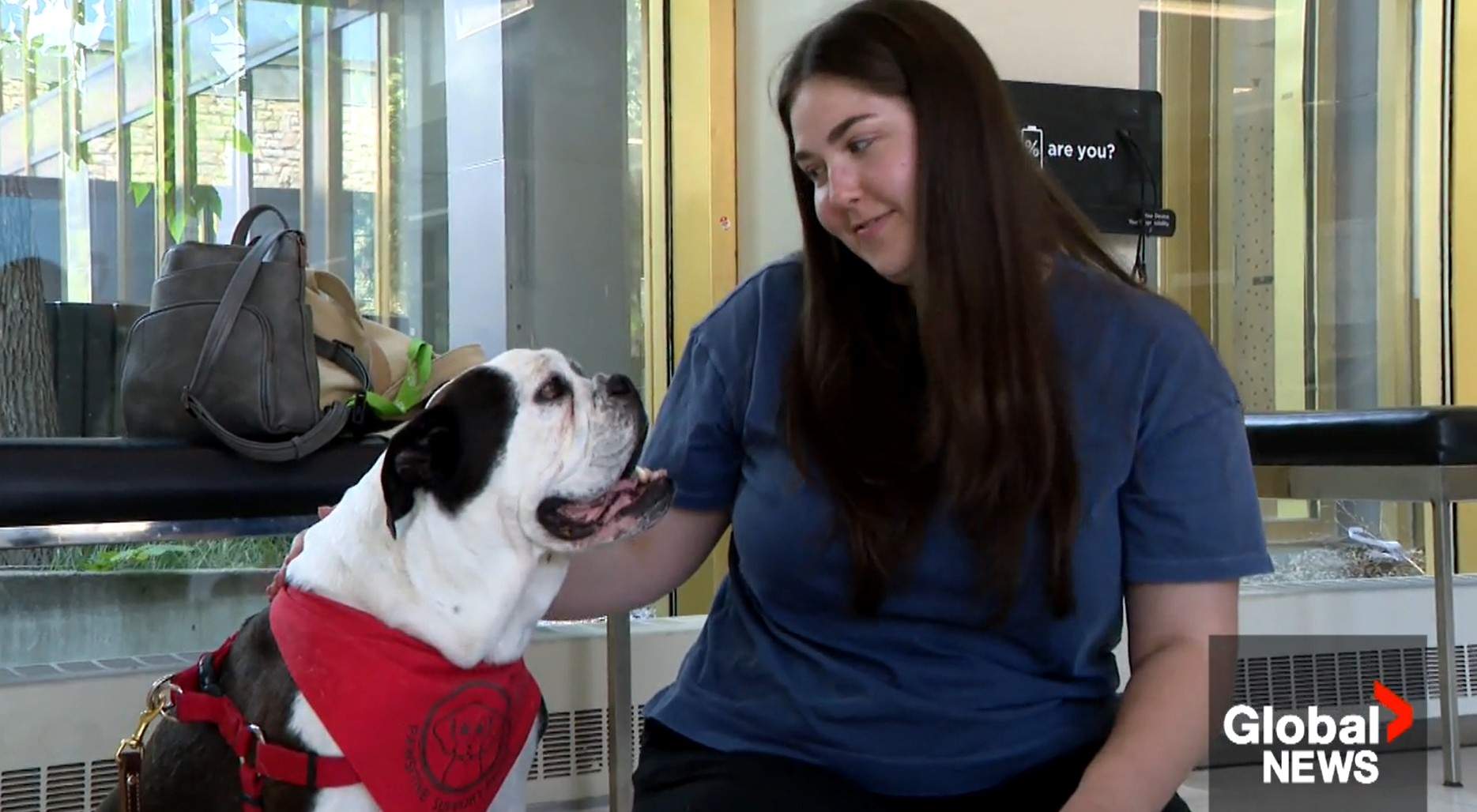
Research at the University of Saskatchewan is delving into the experiences of therapy dogs, seeking to understand their perspective on their work. Dr. Colleen Dell, leading the Pawsitive Connections Lab, aims to "flip the script" by focusing on how dogs feel while performing therapy tasks.
All that we’re doing here can also translate to everybody’s home in the relationship that we have with dogs and other pets in our home: really recognizing who they are and what their likes and their wants and their needs are; that they have feelings too.
"All that we're doing here can also translate to everybody's home in the relationship that we have with dogs and other pets in our home: really recognizing who they are and what their likes and their wants and their needs are; that they have feelings too," Dell explained. The lab has operated for over a decade, studying the human-animal connection.
Recent multi-million-dollar funding will enable Dell to expand her research. A significant portion will focus on understanding the animal's viewpoint, such as how a therapy dog handler can discern if a dog is comfortable or willing to be in a particular setting, like a hospice visit.
Part of our larger grant is to begin to understand how it is that we account for the animal’s perspective. So, we have the dogs going out, say, to visit in hospice. How I need to be very in tune, as does any other therapy dog handler, of how I know if she’s comfortable, if this is somewhere where she wants to be.
Another aspect of the grant will fund post-doctoral fellow Mackenzie McKeown's project on improving mental health for truck drivers through animal companionship. McKeown highlighted the challenges truck drivers face, including social isolation and mental and physical health issues, and how animals can provide support. Her research will explore these benefits and challenges from both the human and animal perspectives to foster healthy interactions.
Truck drivers are constantly battling social isolation, mental health, physical health, and having that animal to provide them support with their mental, their physical health. Exploring how those benefits, or those challenges, are from the human’s perspective, but also the animal’s perspective; just to really figure out how we can work together in a healthy way.
Therapy dogs involved in the program, like those from St. John Ambulance, demonstrate enthusiasm for their roles. Handler Wendi Stoeber noted her dog's excitement when preparing for therapy visits. The university also offers the PAWS Your Stress program, allowing students to interact with therapy dogs and learn about human-animal dynamics.
She loves it. She’s always happy to come to work.
DistantNews Editorial
Originally published by Global News. Summarized and contextualized by our editorial team with added local perspective. Read our editorial standards.
More Stories


From Our Blog

What Gets Lost (and Found) When News Is Translated

The Critical Role of Diaspora Media in Global News

What Travellers Should Know About Countries with Restricted Press

A Digital Nomad's Guide to Following Local News

How the Same Story Looks Different in Different Countries
