

Saskatchewan First Nation fears for safety after vet clinic cancelled
Translated from English, summarized and contextualized by DistantNews.
At a glance
News
Named sources
Outcome reported
- A planned animal spay and neuter clinic in Sturgeon Lake First Nation, Saskatchewan, was canceled after the province's veterinary association denied a temporary license.
- The Canine Action Project (CAP) cited a rule about proximity to existing veterinary practices, a criterion they claim was not previously communicated.
- The cancellation raises concerns about animal welfare and public safety, as many community members lack access to veterinary services and fear potential dog attacks.
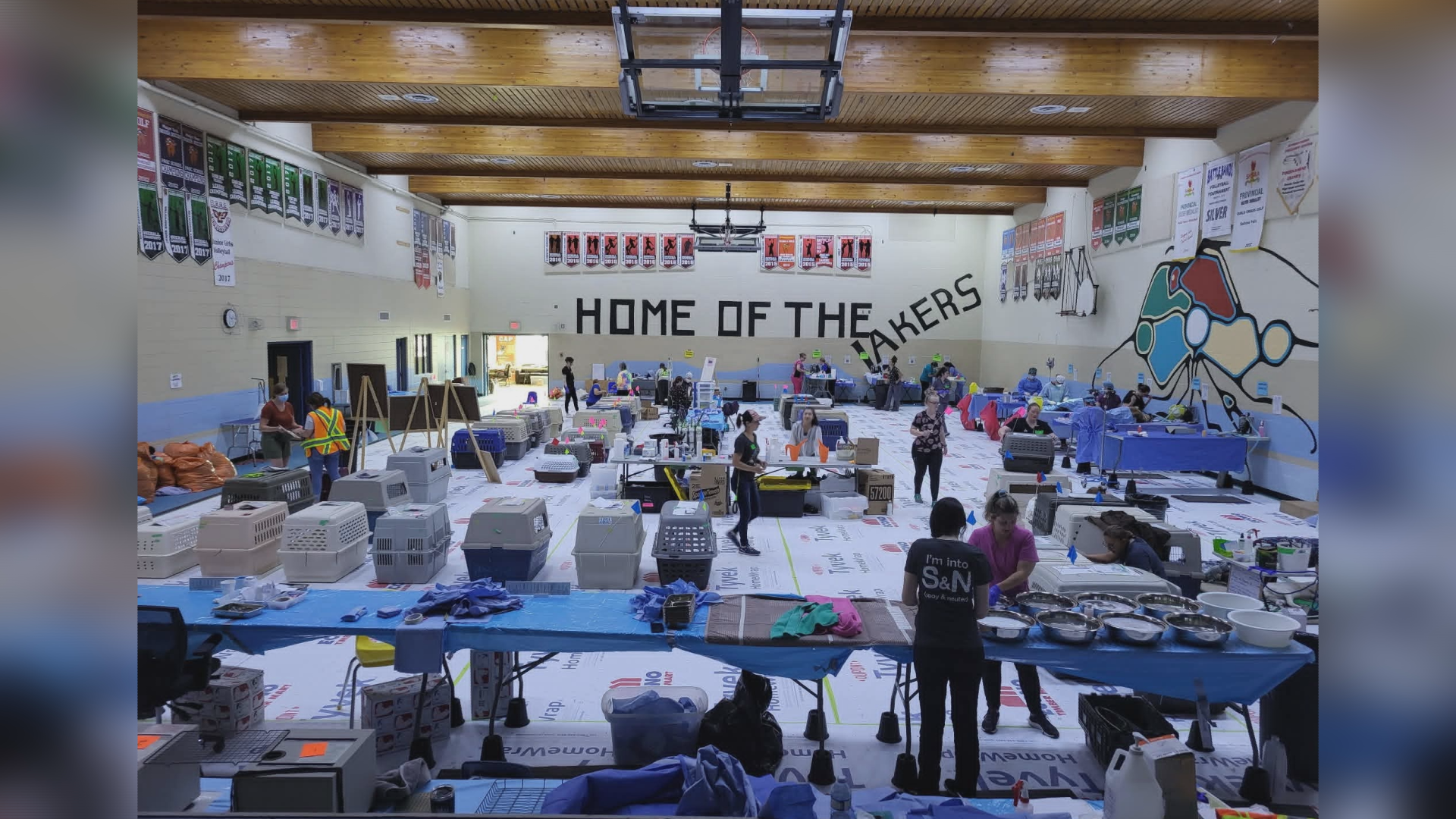
A planned veterinary clinic aimed at spaying and neutering up to 150 animals in Sturgeon Lake First Nation, Saskatchewan, has been canceled, sparking worries about animal welfare and community safety. The Canine Action Project (CAP), a charity organizing the event, had its application for a temporary clinic license denied by the Saskatchewan Veterinary Medical Association (SVMA).
We were advised that because they were within 150 km or two hours of existing veterinary practices, our application to do the on-site clinic was denied.
CAP's co-executive director, Meagan Schmitz, expressed surprise at the denial, noting that the SVMA cited a rule requiring clinics to be located more than 150 kilometers from existing veterinary practices. Schmitz stated this criterion was not previously communicated and that CAP has successfully conducted over 20 similar clinics since 2012, including one at Sturgeon Lake First Nation in 2022 and another in Big River just weeks prior.
CAP appealed the SVMA's decision on July 24, submitting support letters from local veterinary clinics and the chief of Sturgeon Lake First Nation, but the appeal was also denied. Global News has reached out to the SVMA for comment but has not yet received a response.
There has never been, in the history of 15 years of us doing on-site clinics, a distance [criterion.] That was not communicated to us prior at all.
For Sturgeon Lake First Nation, the clinic's cancellation is a significant setback. Councillor Anita Parenteau highlighted that many residents lack vehicles and funds for gas, making it difficult to access veterinary care outside the community. Parenteau also voiced concerns about public safety, referencing dog attacks in other communities and the desire to prevent similar incidents in Sturgeon Lake.
A lot of people don’t have access to their own vehicle. They don’t have gas funds to take their animal to these veterinary clinics.
Animal rescue organizations also anticipate increased pressure on their already strained systems due to the cancellation. Sandra Archibald, executive director of New Hope Dog Rescue in Saskatoon, worries about the growing number of unplanned litters and the capacity of foster homes. Schmitz echoed these concerns, emphasizing the strain on resources when communities cannot access essential services like preventative veterinary care.
It’s kind of scary; you see it on social media, dog attacks in other communities, and we’re trying to keep our community safe. That’s the biggest impact that’ll happen.
DistantNews Editorial
Originally published by Global News in English. Translated, summarized, and contextualized by our editorial team with added local perspective. Read our editorial standards.
More Stories


From Our Blog

What Gets Lost (and Found) When News Is Translated

The Critical Role of Diaspora Media in Global News

What Travellers Should Know About Countries with Restricted Press

A Digital Nomad's Guide to Following Local News

How the Same Story Looks Different in Different Countries
