


Flood survivors face a second crisis as medicines, water run short
Summarized by DistantNews. Read the original for the full story.
At a glance
News
Sources not specified
Ongoing story
- Survivors of recent floods in Nepal are facing a critical shortage of essential medicines and clean drinking water.
- Hospitals are running low on supplies, and damaged infrastructure has cut off water sources for both medical facilities and displaced persons camps.
- The lack of medication for chronic conditions and poor sanitation conditions raise fears of a secondary health crisis.
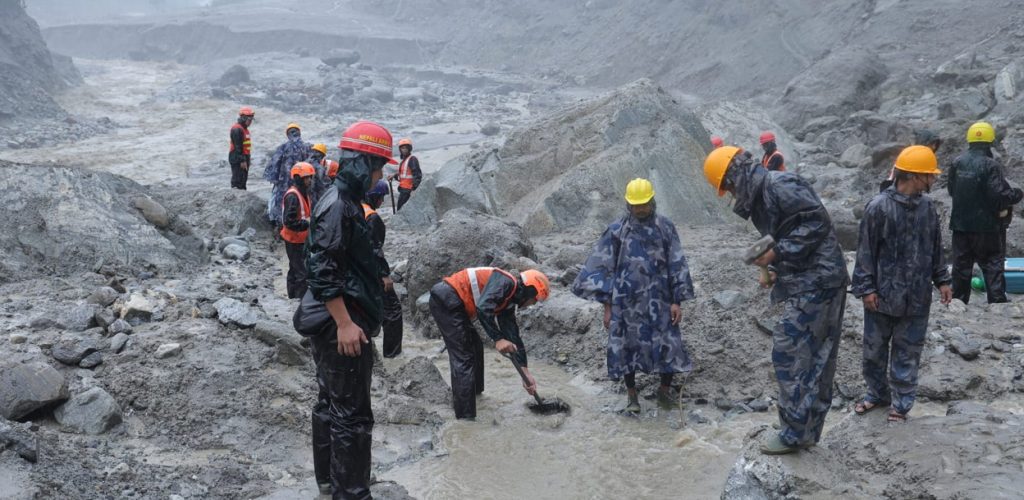
For many flood survivors in Nepal, escaping the initial disaster has only led to a new ordeal: a desperate search for essential medicines and clean water.
My mother has to take her medicines regularly, but the hospital does not have them. It has been three days since she was able to take them.
Rekha Devi Gosain, a resident of Trishuli Bazaar, exemplifies this struggle. Having lost her home and businesses to the flood, she also lost her vital medications for diabetes, high blood pressure, and thyroid disease. Now living in a displaced-persons camp, she cannot access the necessary drugs at the local hospital, having gone three days without them. Her son Raghubir highlighted the dire situation, noting the hospital's inability to provide for his mother's regular treatment.
The crisis extends beyond chronic illness management. Raghubir's sister-in-law went into labor at the camp, but Trishuli Hospital could not handle the delivery. A lack of road access to Kathmandu meant the family had to appeal for an airlift, eventually getting her to a specialized hospital in the capital.
My mother has asthma and needs two or three medicines, but we have not been able to get all of them.
Similar shortages plague other camps. Kopila Pariyar is caring for her 62-year-old mother, who has asthma and requires regular medication. "My mother has asthma and needs two or three medicines, but we have not been able to get all of them," Pariyar stated. The family also faces a severe lack of basic necessities, including drinking water and money to purchase supplies from the local market, which itself is depleted. Her 16-year-old brother and sister-in-law are among those missing after the flood.
There is no drinking water in the camp and we cannot even buy bottled water. We have no money, no clothes and there is almost nothing to buy in the Kolani market.
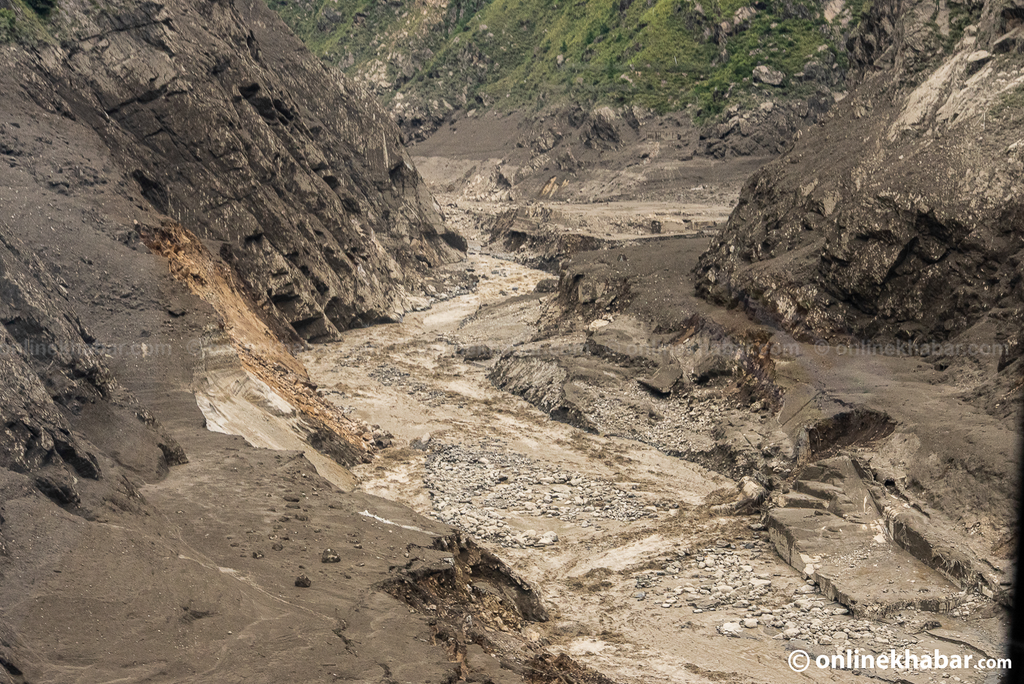
Hospital pharmacist Maheshwar Yadav confirmed the widespread scarcity of common hypertension drugs like atenolol and losartan. He also noted that the hospital's insurance program is non-operational due to a lack of internet, exacerbating the supply issues. Rikesh Rana, an information officer at Trishuli Hospital, confirmed that many displaced individuals with chronic conditions are unable to obtain their usual medications. The problem is compounded by a severe water shortage, as the flood destroyed the main water sources for both the hospital and surrounding areas, increasing fears of disease outbreaks.
Our hospital insurance programme is also not operating because there is no internet, and we are running out of medicines.
About this summary
Originally published by Kathmandu Post. Summarized and contextualized automatically by DistantNews, with a note on how the source frames the story. Not individually reviewed before publishing. How this works.
More Stories

From Our Blog

What Gets Lost (and Found) When News Is Translated

The Critical Role of Diaspora Media in Global News

What Travellers Should Know About Countries with Restricted Press

A Digital Nomad's Guide to Following Local News

How the Same Story Looks Different in Different Countries
