


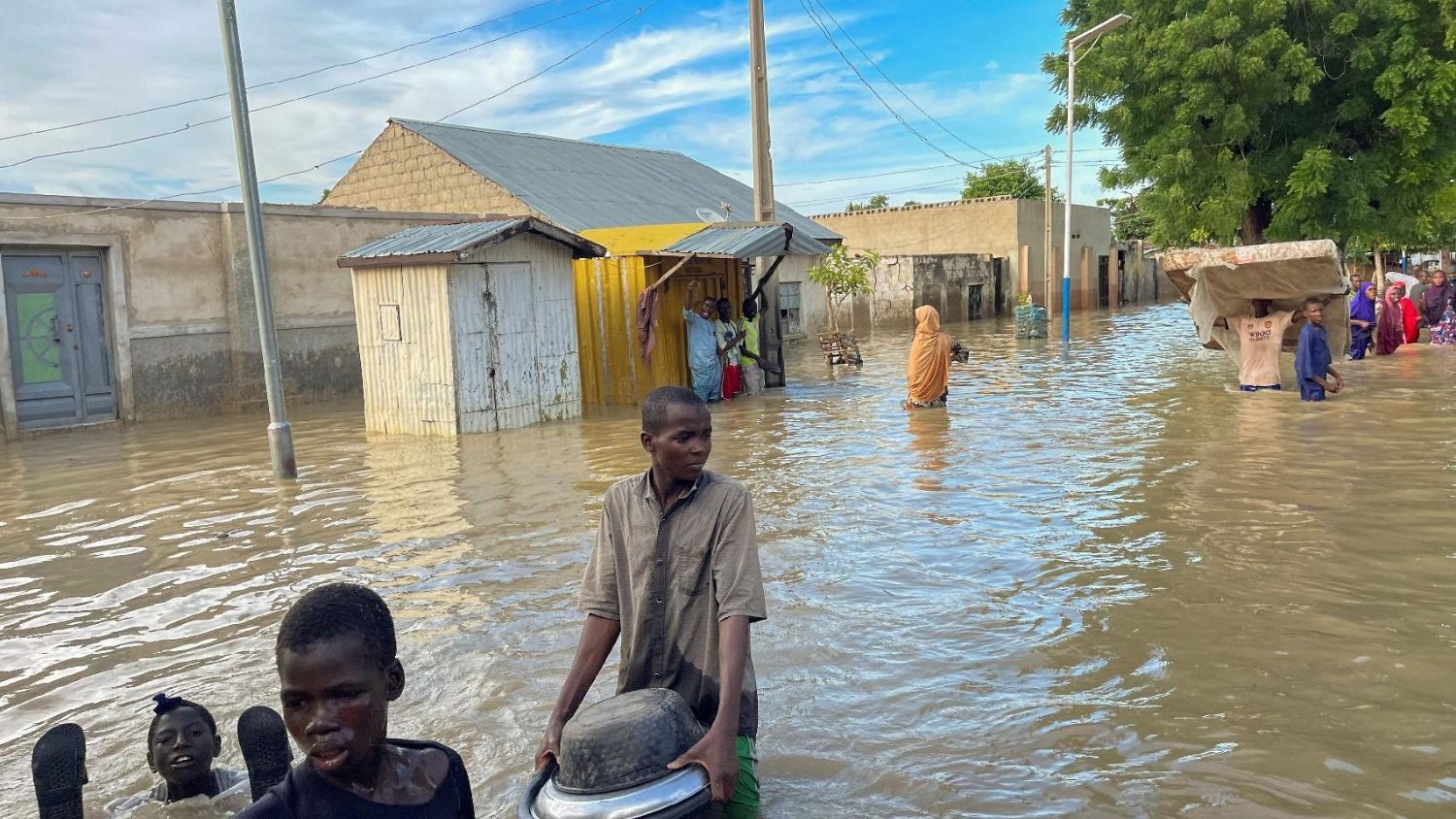
Floods in Africa: The Necessity of Finding Sustainable Solutions
Translated from French, summarized and contextualized by DistantNews.
At a glance
Analysis
Sources not specified
Context piece
- Recurring floods in Africa, exacerbated by climate change, pose a severe threat to millions, causing widespread damage and displacement.
- The situation demands proactive government approaches, including anticipatory action plans and improved infrastructure.
- While populations' actions and public authorities' failures contribute, the article stresses the urgent need for sustainable, long-term solutions to mitigate the impact of these climate-related disasters.
The persistent issue of flooding across Africa, intensified by the escalating climate crisis, has become a recurring nightmare for millions. Populations live in constant fear of becoming victims overnight as the rainy season approaches. In recent years, these climate-related disasters have grown increasingly formidable, with torrential rains becoming more frequent and severe across the continent, affecting regions from the Sahel to South Africa.
The consequences are devastating. Beyond the destruction of infrastructure, agricultural lands, and livestock, these floods frequently result in thousands of lives lost and millions displaced. This year alone, Côte d'Ivoire has already experienced significant flooding, prompting emergency measures from the government, including accelerated drainage canal construction and clearing of waterways.
However, Côte d'Ivoire is far from alone in facing these extreme weather events. Numerous countries across Africa have been hit by severe floods in recent years. Reports recall devastating rainfall in 2024 and 2025 impacting the Democratic Republic of Congo, Nigeria, Guinea, Cameroon, Mali, Chad, and Niger, disrupting education and forcing people into temporary shelters.
The gravity of the situation necessitates a proactive stance from governments. This includes implementing anticipatory action plans, strengthening drainage and flood protection infrastructure, raising public awareness, and enacting preventive measures to protect vulnerable populations. The article suggests that responsibility is shared between the incivility of populations and the failures of public authorities, underscoring the urgent need for sustainable, long-term solutions to address this persistent and growing threat.
DistantNews Editorial
Originally published by Le Pays in French. Translated, summarized, and contextualized by our editorial team with added local perspective. Read our editorial standards.
More Stories


From Our Blog

What Gets Lost (and Found) When News Is Translated

The Critical Role of Diaspora Media in Global News

What Travellers Should Know About Countries with Restricted Press

A Digital Nomad's Guide to Following Local News

How the Same Story Looks Different in Different Countries
