


Floods weigh on Nepal tourism as August arrivals fall
Translated from English and summarized by DistantNews. Read the original for the full story.
At a glance
News
Documents & data
Ongoing story
- Nepal recorded 85,444 international tourist arrivals in August 2026, down 3.6% from August 2025.
- Flooding along the Bhotekoshi and Trishuli river systems damaged areas in several districts and disrupted travel to Kailash Mansarovar and Gosainkunda.
- India remained Nepal’s largest source market, while arrivals from China and Sri Lanka increased year on year.
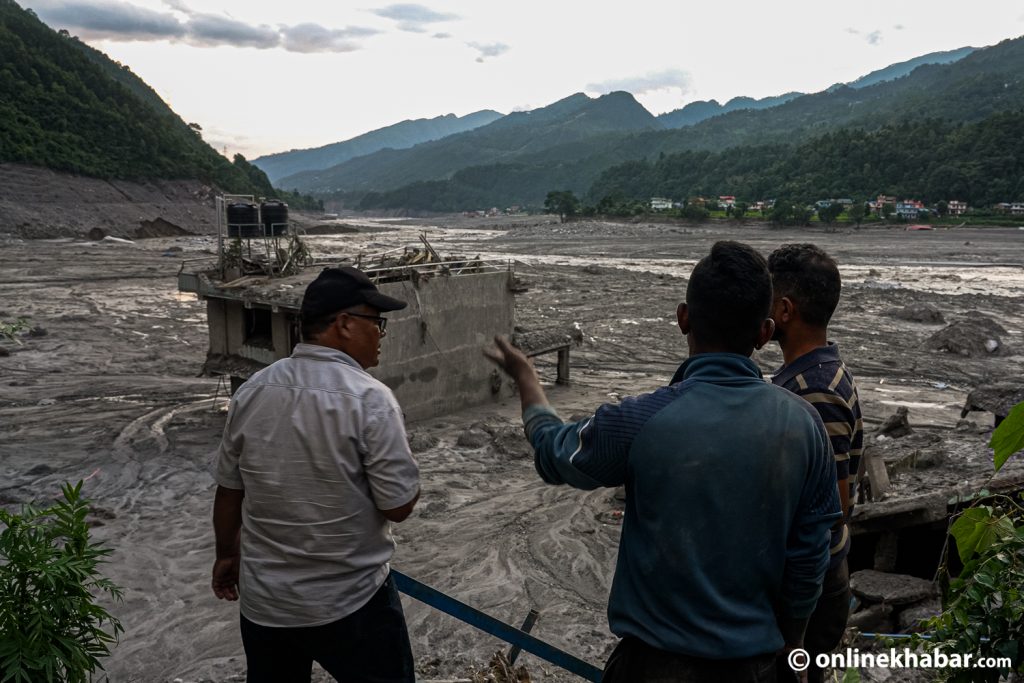
Nepal’s August tourist arrivals fell after devastating floods hit the Bhotekoshi and Trishuli rivers, disrupting travel and causing extensive losses in several districts.
The country welcomed 85,444 international tourists in August 2026, down by 3,336 from the same month a year earlier. The 3.6% year-on-year decline followed 88,680 arrivals in August 2025.
Floodwater entered Nepal through the Rasuwagadhi border point on August 26 and affected Rasuwa, Nuwakot and Dhading districts, along with other communities along the river system. Domestic and foreign tourists travelling to Kailash Mansarovar and Gosainkunda were also affected. The United States and other countries issued travel advisories warning their citizens about travel to Nepal.
India remained the largest source market, supplying 26,373 visitors, or 30.87% of the total, according to the Nepal Tourism Board. China ranked second with 10,304 visitors, up 36.78% from 7,533 a year earlier. Nepal also received 8,710 visitors from Sri Lanka, an increase of 46.24%.
South Asia accounted for the largest regional share, with 41,422 arrivals. Other Asian countries contributed 18,275 visitors, and Europe contributed 10,875. Several smaller markets posted sharp increases, including Ukraine, Cambodia, Bhutan, Russia, Malaysia and Thailand.
About this summary
Originally published by OnlineKhabar English in English. Translated, summarized, and contextualized automatically by DistantNews, with a note on how the source frames the story. Not individually reviewed before publishing. How this works.
More Stories



From Our Blog

What Gets Lost (and Found) When News Is Translated

The Critical Role of Diaspora Media in Global News

What Travellers Should Know About Countries with Restricted Press

A Digital Nomad's Guide to Following Local News

How the Same Story Looks Different in Different Countries
