


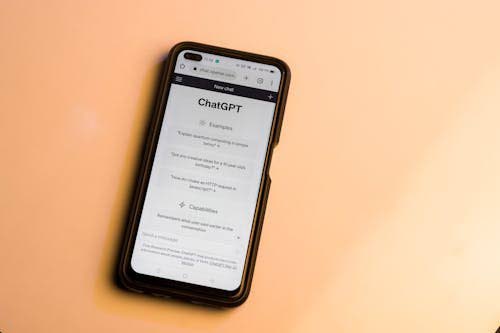
Florida probes ChatGPT's role in university mass shooting
Translated from English, summarized and contextualized by DistantNews.
TLDR
- Florida has launched a criminal investigation into whether the AI chatbot ChatGPT played a role in a deadly mass shooting at Florida State University.
- Prosecutors are reviewing exchanges between the suspect and ChatGPT, with the state attorney general suggesting the AI could be considered an accomplice under Florida law.
- OpenAI stated that ChatGPT provided factual responses based on public information and did not encourage illegal activity, adding they provided the account to police.
In a move that has sent shockwaves through the tech world, Florida authorities have announced a criminal probe into the role of OpenAI's ChatGPT in a tragic mass shooting at Florida State University. State Attorney General James Uthmeier declared that if the artificial intelligence were a person, it would face murder charges, citing Florida's 'aider and abettor' law. This bold assertion highlights the growing unease and legal questions surrounding the capabilities and responsibilities of advanced AI.
If ChatGPT were a person, it would be facing charges for murder.
While OpenAI has pushed back, asserting that ChatGPT merely provided factual information from public sources and did not promote harm, the investigation underscores a critical debate: where does the responsibility lie when AI is involved in real-world violence? The article notes that the suspect, identified as Phoenix Ikner, used his mother's service weapon, and that he was a student with access to firearms. The sheer commonality of mass shootings in the United States, a nation grappling with its unique relationship with gun violence, provides a grim backdrop to this AI-specific inquiry.
ChatGPT provided factual responses to questions with information that could be found broadly across public sources on the internet, and it did not encourage or promote illegal or harmful activity.
From our perspective here in Florida, this investigation is not just about assigning blame; it's about confronting the unknown territory of AI's influence on human behavior. While Western media might focus on the technological novelty or the legal precedent, we see the immediate human tragedy and the urgent need to understand how tools like ChatGPT can intersect with the deeply rooted issues of violence in our society. The question isn't just whether AI can be an accomplice, but how we, as a society, will adapt to a world where such powerful tools exist alongside persistent human failings.
Last year’s mass shooting at Florida State University was a tragedy, but ChatGPT is not responsible for this terrible crime.
DistantNews Editorial
Originally published by Jamaica Observer in English. Translated, summarized, and contextualized by our editorial team with added local perspective. Read our editorial standards.
More Stories



From Our Blog

What Gets Lost (and Found) When News Is Translated

The Critical Role of Diaspora Media in Global News

What Travellers Should Know About Countries with Restricted Press

A Digital Nomad's Guide to Following Local News

How the Same Story Looks Different in Different Countries
