


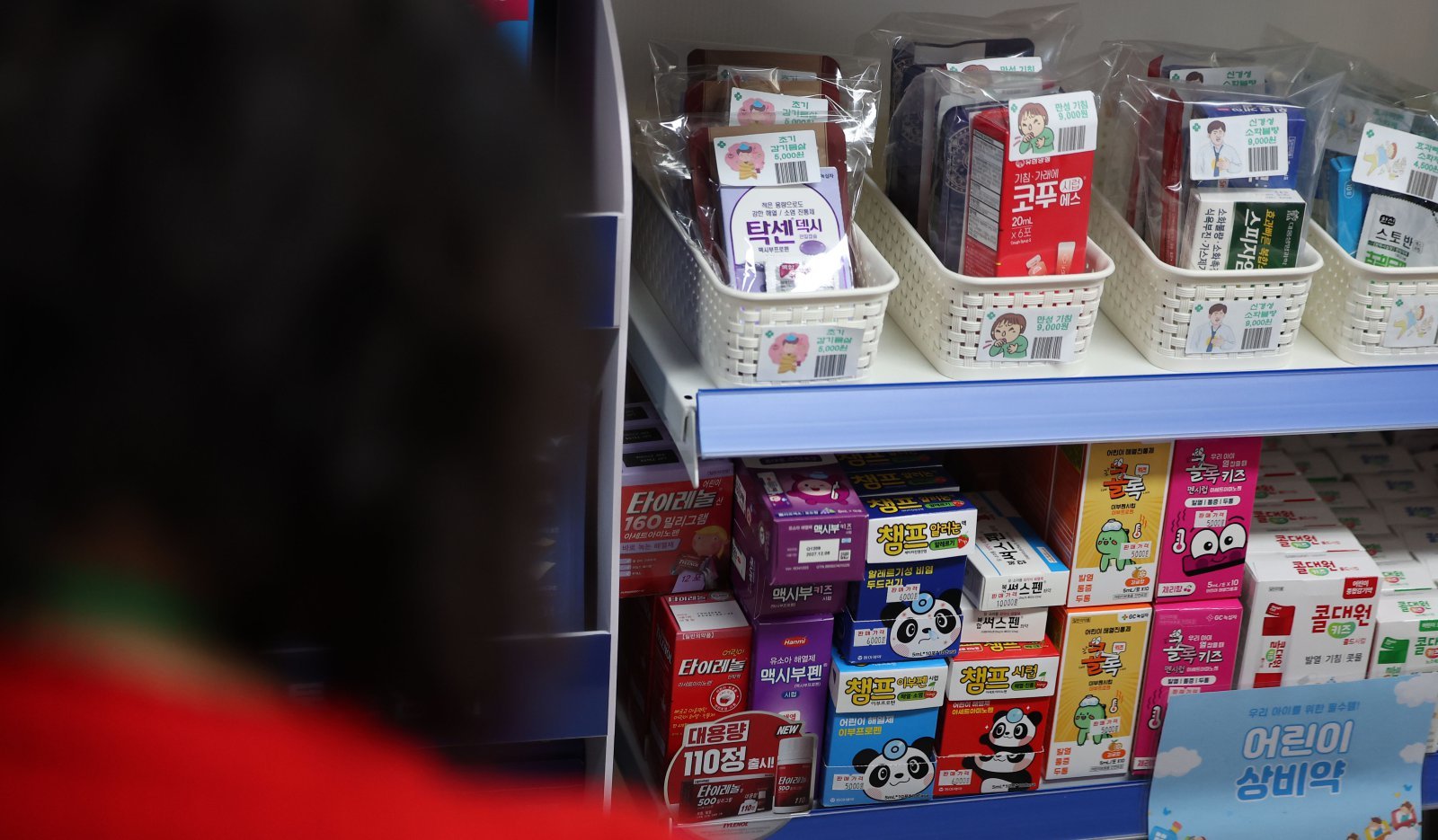
Flu Cases Exceed Last Season's Benchmark Amid Rapid Spread
Translated from Korean and summarized by DistantNews. Read the original for the full story.
At a glance
News
From a news agency
Ongoing story
- The number of suspected influenza cases in South Korea has surpassed the benchmark for the previous season, with a rate of 9.2 per 1,000 outpatients in the 34th week.
- Both influenza and COVID-19 hospitalizations are increasing, with detection rates for both viruses rising over the past four weeks.
- Authorities are preparing to launch a national vaccination program for high-risk groups starting September 21, including newly eligible 14-year-olds.
South Korea is experiencing a surge in influenza cases, with the number of suspected infections exceeding the threshold set for the previous season. The latest surveillance data reveals a rate of 9.2 patients per 1,000 outpatients for influenza-like illnesses in the 34th week of the year, surpassing the 2025-2026 epidemic benchmark of 9.1.
This increase follows a consistent upward trend observed over the past four weeks, with the rate rising from 6.9 in week 31 to 7.5 in week 33 before reaching the current figure. Concurrently, hospitalizations due to COVID-19 have also seen a rise during the same period, indicating a broader increase in respiratory infections. The detection rate for influenza among suspected cases stands at 10%, while for COVID-19 it is 11.3%, with both showing a four-week increasing trend.
In response to the growing concern, the Korea Disease Control and Prevention Agency (KDCA) is preparing to roll out its national influenza vaccination program. Scheduled to commence on September 21, the program will target high-risk groups, including children, pregnant women, and the elderly. A notable expansion this year includes 14-year-olds, allowing those born in 2012 to receive free vaccinations.
While influenza and COVID-19 cases are on the rise, projections for the summer COVID-19 outbreak suggest it may be less severe than the previous year, with an estimated 11% to 48% lower incidence. However, the hot and humid weather has also contributed to an increase in intestinal infectious diseases, with reported cases rising to 820 from 728 in the preceding week. Conversely, the incidence of hand, foot, and mouth disease among young children has seen a slight decrease.
About this summary
Originally published by Dong-A Ilbo in Korean. Translated, summarized, and contextualized automatically by DistantNews, with a note on how the source frames the story. Not individually reviewed before publishing. How this works.
More Stories


From Our Blog

What Gets Lost (and Found) When News Is Translated

The Critical Role of Diaspora Media in Global News

What Travellers Should Know About Countries with Restricted Press

A Digital Nomad's Guide to Following Local News

How the Same Story Looks Different in Different Countries
