



RSV Hospitalizations in Infants Drop 25% After Beyfortus Introduction
Translated from Korean and summarized by DistantNews. Read the original for the full story.
At a glance
News
Sources not specified
Ongoing story
- Infant hospitalizations for Respiratory Syncytial Virus (RSV) decreased by about 25% in South Korea during the first epidemic season after the introduction of the Beyfortus antibody injection.
- A domestic study suggests Beyfortus can lower medical expenses and caregiver burden, prompting discussions about its inclusion in the National Immunization Program (NIP).
- While the reduction is significant, experts caution that other factors may also influence RSV prevalence, and further cost-effectiveness and financial impact analyses are needed for national adoption.
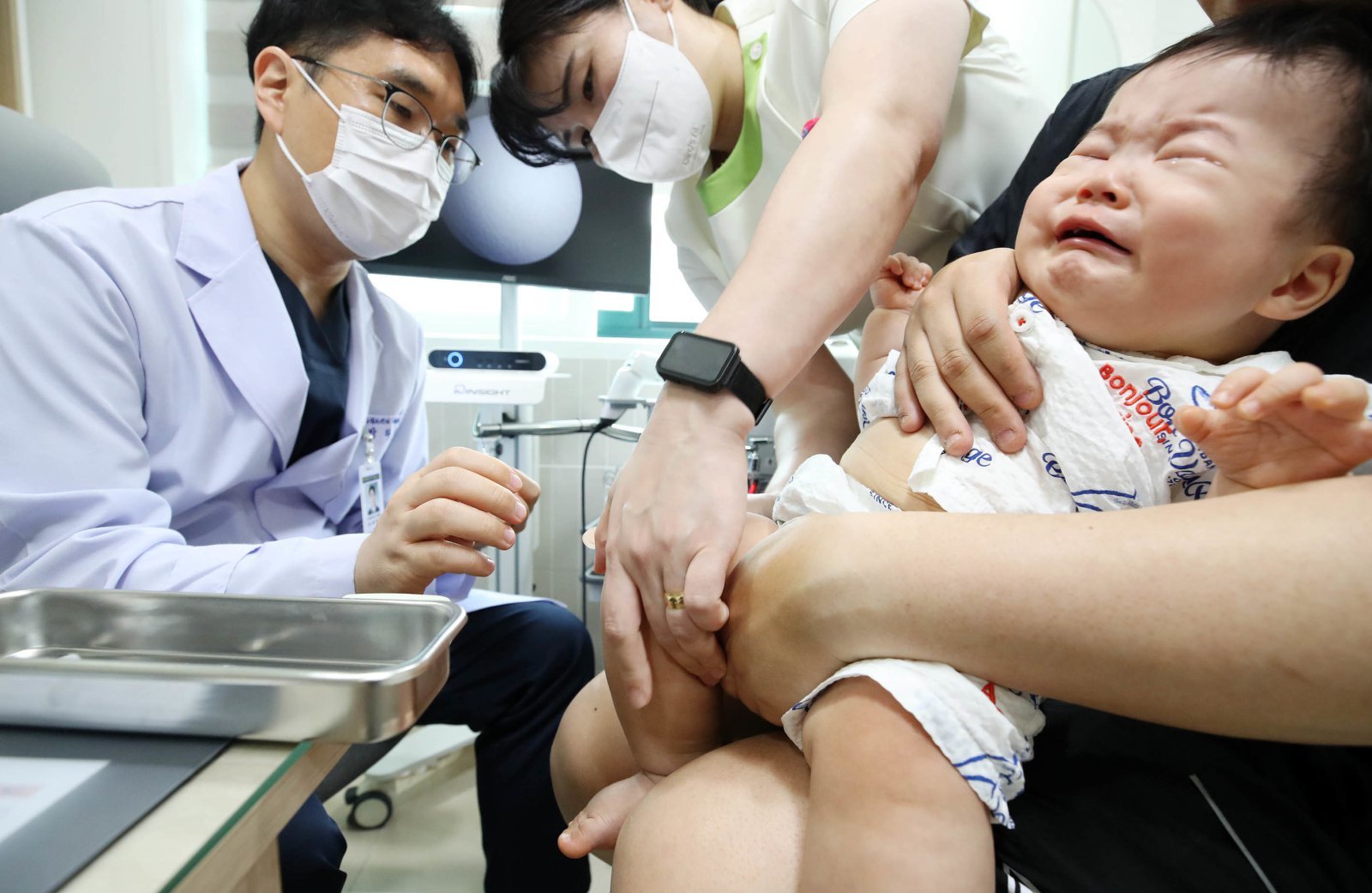
South Korea has seen a notable decrease in infant hospitalizations due to Respiratory Syncytial Virus (RSV) following the introduction of the preventive antibody injection, Beyfortus. During the 2025-2026 RSV season, hospital admissions for infants under one year old fell by approximately 25% compared to the previous year, with a more dramatic reduction of about 60% observed during the peak of the season.
These encouraging results have spurred domestic research into the economic benefits of Beyfortus. A study from Kyung Hee University suggests that prevention strategies utilizing Beyfortus can significantly reduce direct medical costs, such as hospitalization and emergency room visits, as well as indirect costs related to caregiver productivity loss. The study highlighted that over 90% of the health benefits were observed in full-term infants under one year old.
RSV is a common cause of lower respiratory tract infections in infancy, making a preventive approach important.
Internationally, similar positive outcomes have been reported. The Lombardy region in Italy noted a decrease in RSV-related hospital visits and admissions during the 2024-2025 season, where Beyfortus vaccination rates reached 96%. In Japan, economic analyses indicate substantial healthcare cost savings if Beyfortus coverage expands from high-risk groups to all infants.
Currently, Beyfortus is administered through individual medical institutions in South Korea, with discussions ongoing regarding its inclusion in the National Immunization Program (NIP). Experts like Dr. Kim Dong-hyun from Inha University Hospital emphasize the importance of preventive approaches for RSV, a common cause of lower respiratory tract infections in infants. He expressed hope for an environment where all newborns and infants can benefit from RSV prevention, citing consistent cost-effectiveness results from domestic and international studies.
We hope for an environment where all newborns and infants can receive the benefits of RSV prevention, given the consistent results from domestic and international economic evaluations.
About this summary
Originally published by Dong-A Ilbo in Korean. Translated, summarized, and contextualized automatically by DistantNews, with a note on how the source frames the story. Not individually reviewed before publishing. How this works.
More Stories


From Our Blog

What Gets Lost (and Found) When News Is Translated

The Critical Role of Diaspora Media in Global News

What Travellers Should Know About Countries with Restricted Press

A Digital Nomad's Guide to Following Local News

How the Same Story Looks Different in Different Countries
