

Focus on Adoption Cases Over Economic Viability: Domestic NPU Adoption for Public AI CCTV Examined
Translated from Korean, summarized and contextualized by DistantNews.
At a glance
News
Sources not specified
New plan
- South Korea is implementing a project to transition public AI CCTV systems to utilize domestic Neural Processing Units (NPUs).
- The initiative aims to enhance surveillance capabilities beyond simple object recognition to contextual understanding, improving efficiency and detection performance.
- Several local governments, including Gyeongsangnam-do and Ulsan Metropolitan City, have selected Rebellion's NPU servers for this project, marking a shift from reliance on foreign GPUs.
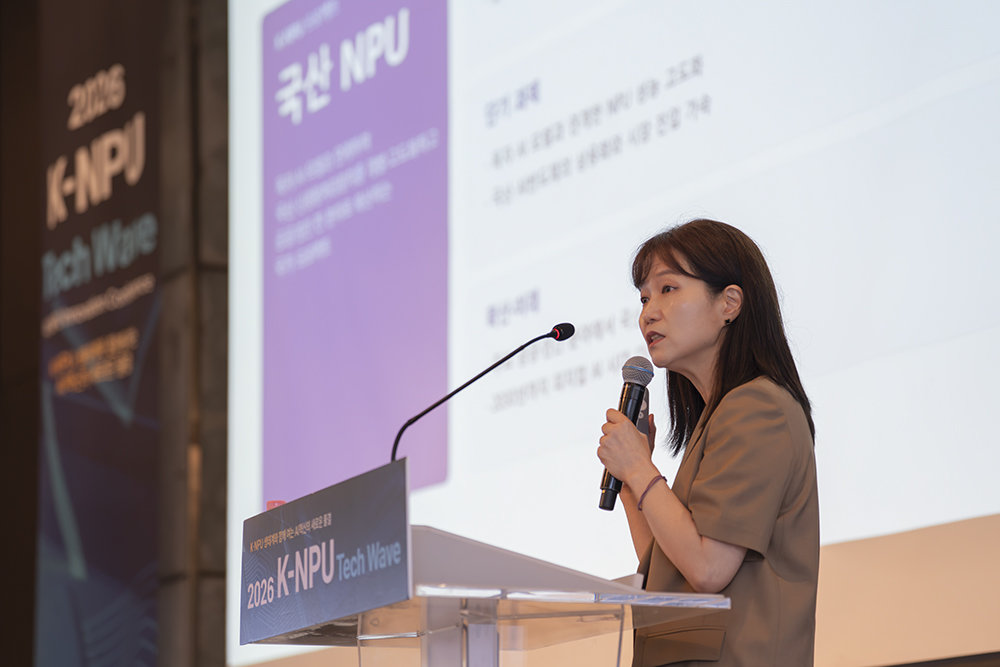
South Korea is pushing forward with a significant initiative to upgrade its public AI CCTV systems by integrating domestically developed Neural Processing Units (NPUs). Spearheaded by the Ministry of Science and ICT and the National Information Society Agency (NIA), the project aims to replace existing surveillance infrastructure with smarter, context-aware technology. Currently, South Korea operates approximately 710,000 CCTV cameras across its local government integrated control centers, a number expected to rise to around 710,000 by 2025. While intelligent systems already cover over 313,000 cameras, an increase of 28.2% from the previous year, the system often relies on a small number of operators monitoring numerous feeds simultaneously. This project seeks to overcome such limitations by deploying AI-powered video analysis servers. The core objective is to move beyond basic object detection to AI systems that can understand context, thereby boosting monitoring efficiency, detection accuracy, and response times. The government plans to install NPU-based inference servers in control centers to analyze integrated video feeds and enable generative AI analysis for comprehensive situation assessment. This year's project, with an estimated budget of 10 billion won, has selected three agencies: Gyeongsangnam-do Provincial Government, Ulsan Metropolitan City, and the Korea Expressway Corporation. Notably, Gyeongsangnam-do and Ulsan have chosen Rebellion's AtomMax-based NPU servers, while the Korea Expressway Corporation opted for IntelliVision's system utilizing Mobilint NPUs. This marks a strategic pivot from the past reliance on foreign GPUs, such as Nvidia's, which were often explicitly specified in previous tenders. The new system will enable AI to actively monitor 24/7, identify anomalies, and automatically disseminate information to relevant systems, offering advanced features like natural language-based report generation.
We plan to build an AI-based intelligent control system using AI semiconductors and software to further enhance monitoring methods, detection performance, situation dissemination, and search and analysis efficiency.
DistantNews Editorial
Originally published by Dong-A Ilbo in Korean. Translated, summarized, and contextualized by our editorial team with added local perspective. Read our editorial standards.
More Stories



From Our Blog

What Gets Lost (and Found) When News Is Translated

The Critical Role of Diaspora Media in Global News

What Travellers Should Know About Countries with Restricted Press

A Digital Nomad's Guide to Following Local News

How the Same Story Looks Different in Different Countries
