


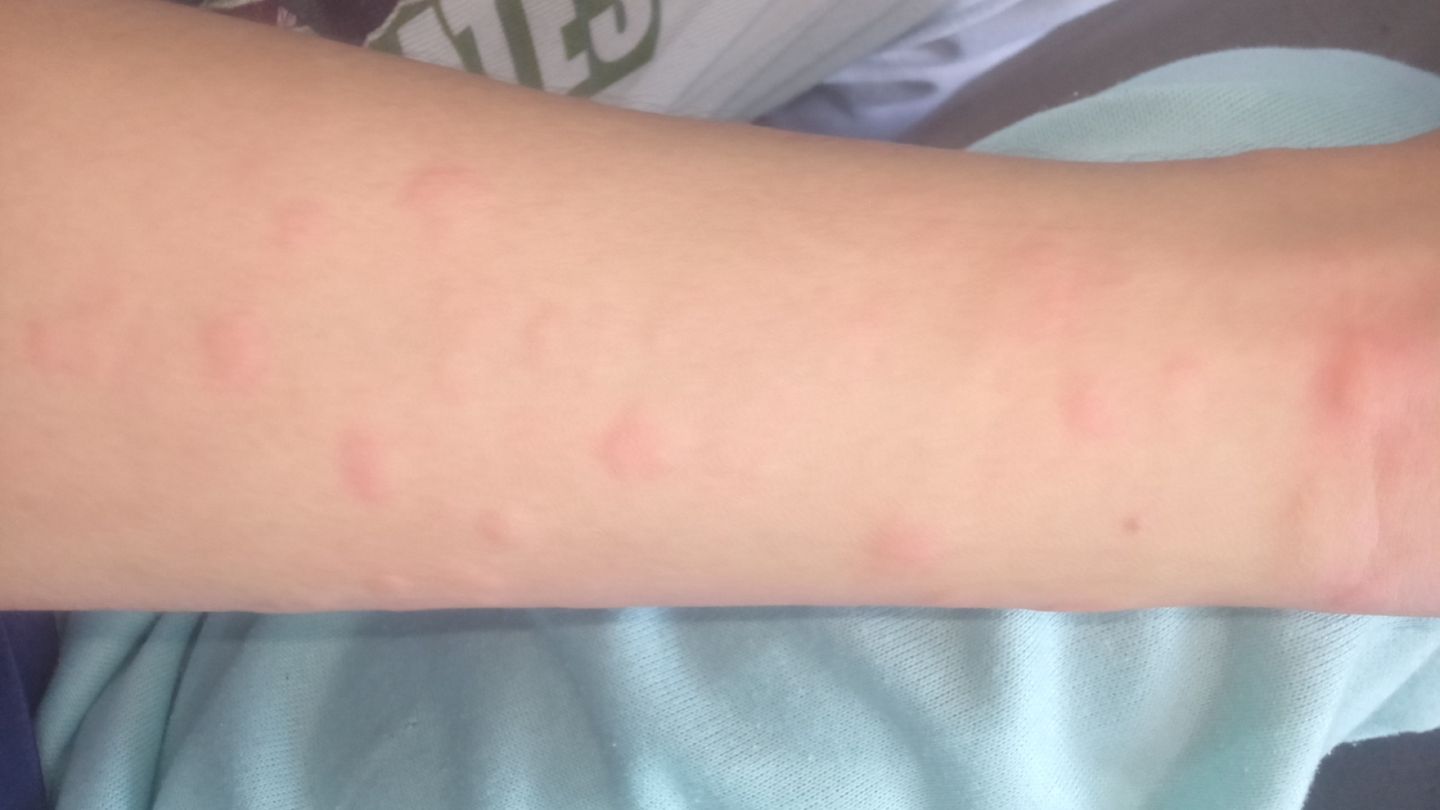
Focusing on skin irritation can reduce inflammation, study finds
Translated from Finnish, summarized and contextualized by DistantNews.
At a glance
News
Named sources
Context piece
- Focusing attention on an itchy mosquito bite or a small wound can reduce inflammation and speed healing, a new study suggests.
- Researchers found that concentrating on the irritated skin area lessened the inflammatory response by about 1.5 times compared to trying to ignore the sensation.
- The findings indicate that the body's immune response may not be entirely involuntary and could be influenced by focused attention.
The common experience of a mosquito bite causing an itchy welt, or a small wound leading to inflammation, has long been understood as a direct signal from the body to the brain. Sensations are messages that the brain receives and processes. However, a recent study published in Nature Human Behaviour explores whether this connection can work in reverse.
The research suggests that an individual's immune response might not be entirely independent of conscious control. By concentrating their attention on an irritated skin area, participants in the study experienced reduced inflammation and faster healing.
In the experiment, 57 adults were subjected to a small, acute inflammatory reaction. Each participant received a drop of histamine and a small abrasion on their arm, causing a rapid welt and redness. In subsequent tests, participants were instructed to focus their attention in different ways. In one condition, they were asked to look at a crosshair on a screen while intensely focusing on the sensory input from the irritated skin on their hand. In another, conducted a few days later, participants watched videos while being instructed to concentrate their attention strongly on the videos, after experiencing similar skin irritation.
The results were clear: the focus of attention significantly influenced what happened at the site of skin irritation. When participants concentrated on the sensation, the inflammation caused by the skin irritation was milder, and the inflamed area showed more signs of healing. This reduction in the inflammatory response occurred consistently in about 90% of participants, with the inflammatory response being approximately 1.5 times smaller compared to situations where they tried to ignore the sensation.
"It was bewildastring that focusing attention on the inflamed area changed participants' experiences of pain, but also the inflammatory response itself," said lead author Dr. Liron Rozenkrantz in a statement. "It is possible that the subjective experience of bodily events is not merely a passive process, but may actively influence how physiological responses are regulated." The study provides evidence that the body's immune response can be regulated to some extent voluntarily. While people often try to direct their attention away from pain, the findings suggest this might be counterproductive, potentially hindering the body's ability to respond to inflammation.
It was bewildastring that focusing attention on the inflamed area changed participants' experiences of pain, but also the inflammatory response itself. It is possible that the subjective experience of bodily events is not merely a passive process, but may actively influence how physiological responses are regulated.
DistantNews Editorial
Originally published by Helsingin Sanomat in Finnish. Translated, summarized, and contextualized by our editorial team with added local perspective. Read our editorial standards.
More Stories


From Our Blog

What Gets Lost (and Found) When News Is Translated

The Critical Role of Diaspora Media in Global News

What Travellers Should Know About Countries with Restricted Press

A Digital Nomad's Guide to Following Local News

How the Same Story Looks Different in Different Countries
