


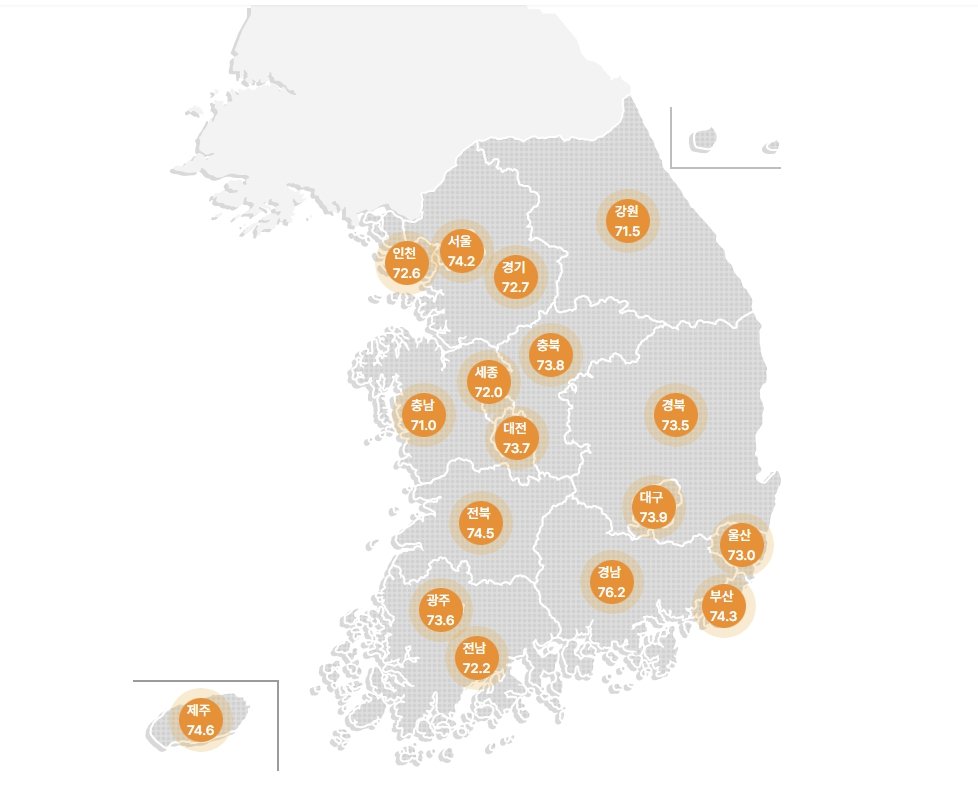
Food poisoning alert: High risk across South Korea amid heatwaves
Translated from Korean, summarized and contextualized by DistantNews.
At a glance
News
Sources not specified
Context piece
- South Korea is experiencing a high risk of food poisoning, with the national risk index at the 'warning' level due to ongoing heatwaves.
- Bacterial food poisoning, particularly from pathogenic E. coli, is common in summer due to high temperatures and humidity.
- Prevention measures include strict personal hygiene, proper food handling, thorough cooking, and prompt consumption of prepared meals.
South Korea is on high alert for food poisoning as heatwaves continue across the country, pushing the national risk index to the 'warning' level. This signifies a high possibility of foodborne illnesses, demanding increased caution from the public.
The risk is particularly elevated during the summer months, which create ideal conditions for the growth of bacteria like pathogenic E. coli. High temperatures and humidity accelerate bacterial proliferation, making food safety a critical concern. While food poisoning can occur year-round, the summer season sees a surge in bacterial infections.
Pathogenic E. coli infections are often linked to contaminated water used for vegetables, undercooked meat, or cross-contamination during food preparation. Key food sources include vegetables, meat, and processed foods like kimbap. Improper washing of vegetables or leaving them at room temperature for extended periods after washing are common contributing factors.
Symptoms of E. coli infection range from diarrhea and abdominal pain to vomiting and fatigue. Certain strains, like Shiga toxin-producing E. coli (STEC), can cause more severe conditions, including hemorrhagic colitis and hemolytic uremic syndrome (HUS). To prevent such illnesses, the Ministry of Food and Drug Safety emphasizes rigorous personal hygiene, including washing hands thoroughly before and after handling food. Proper separation of utensils for raw and cooked foods, thorough washing of vegetables, and avoiding prolonged storage of washed produce at room temperature are also crucial. Additionally, ensuring meat, poultry, and eggs are cooked thoroughly and consuming prepared meals within two hours of cooking are vital preventive measures.
DistantNews Editorial
Originally published by Dong-A Ilbo in Korean. Translated, summarized, and contextualized by our editorial team with added local perspective. Read our editorial standards.
More Stories


From Our Blog

What Gets Lost (and Found) When News Is Translated

The Critical Role of Diaspora Media in Global News

What Travellers Should Know About Countries with Restricted Press

A Digital Nomad's Guide to Following Local News

How the Same Story Looks Different in Different Countries
