

Food Poisoning Cases Peak in September in South Korea
Translated from Korean, summarized and contextualized by DistantNews.
At a glance
News
Sources not specified
New plan
- South Korea experienced the highest number of food poisoning cases and patients in September, despite the start of autumn.
- In 2025, food poisoning cases increased by 20% and patients by 28% compared to the previous year, with Salmonella and Norovirus being the most common causes.
- Restaurants accounted for the highest number of outbreaks, particularly in densely populated metropolitan areas.
South Korea faces a persistent threat of food poisoning, with September recording the highest number of cases and patients annually, even after the traditional start of autumn. In 2025, the nation saw a significant rise in foodborne illnesses, with a 20% increase in outbreaks and a 28% jump in patients compared to the previous year, according to the Ministry of Food and Drug Safety.
Salmonella and Norovirus remain the leading culprits. Salmonella infections, often linked to eggs and cross-contamination during handling, have shown a consistent upward trend. Norovirus cases also surged significantly. While summer months historically see the most cases due to heat and humidity fostering bacterial growth, winter outbreaks, particularly from Norovirus, have shown a notable increase, highlighting the need for year-round vigilance.
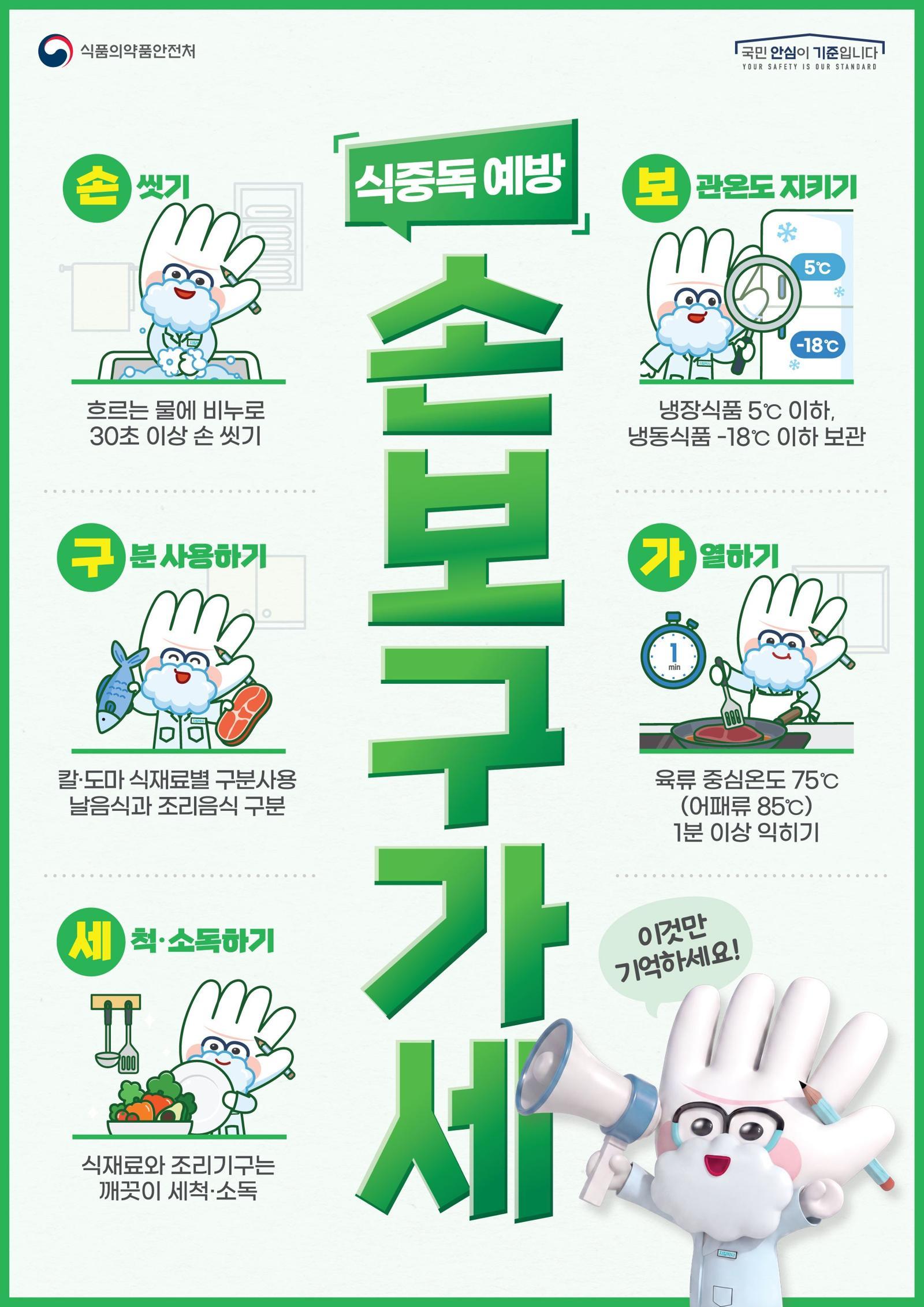
We will continue to strengthen pre-inspection of vulnerable facilities and customized preventive publicity based on the analysis results of this statistical data.
Restaurants were the primary setting for these outbreaks, accounting for the largest share of cases and patients. Densely populated metropolitan areas, including the Seoul metropolitan region, reported the highest incidence. Complex processed foods, such as those served in cafeterias and lunch boxes, were identified as the most common source of contamination, with specific dishes like 'baekban' (Korean set meals) and kimbap being frequently implicated. Shellfish and raw meat dishes also contributed to the outbreaks.
We plan to do our best to ensure that the public can enjoy a safe food life environment by steadily promoting safety management measures that reflect the characteristics of food poisoning outbreaks by season and cause.
DistantNews Editorial
Originally published by Dong-A Ilbo in Korean. Translated, summarized, and contextualized by our editorial team with added local perspective. Read our editorial standards.
More Stories



From Our Blog

What Gets Lost (and Found) When News Is Translated

The Critical Role of Diaspora Media in Global News

What Travellers Should Know About Countries with Restricted Press

A Digital Nomad's Guide to Following Local News

How the Same Story Looks Different in Different Countries
