


Foods That Help You Feel Full Longer and Lose Weight
Translated from Spanish, summarized and contextualized by DistantNews.
At a glance
News
Named sources
Context piece
- Consuming foods that promote satiety can help manage weight and reduce cravings between meals.
- Protein and fiber-rich carbohydrates are key macronutrients for sustained fullness.
- Refined carbohydrates and fats should be consumed in moderation as they offer less satiety.
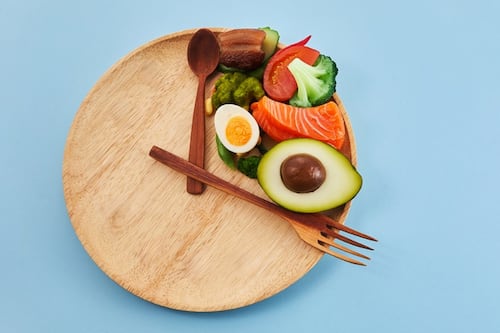
Managing weight often involves battling cravings and the urge to snack between meals. Nutritionists emphasize that choosing foods which promote satiety, the feeling of fullness, is crucial for sustained satisfaction and effective weight management.
The satiety is the sensation of being full from what you ate, meaning you no longer perceive hunger signals.
Satiety is influenced not only by the physical sensation of being full but also by personal satisfaction derived from a food's taste and texture. While processed foods can be appealing, they often provide only temporary fullness, leading to renewed hunger shortly after consumption. The key lies in balancing the feeling of being full with genuine satisfaction from the meal.
The duration of satiety and the time it takes to feel hungry again depend on various factors, primarily the type of food consumed. Experts recommend focusing on macronutrients that take longer to digest. Protein is considered the most satiating macronutrient, followed closely by fiber-rich carbohydrates.
But it is also influenced by whether you feel satisfied with what you ate.
Examples of beneficial fiber-rich carbohydrates include whole grains, beans, lentils, oats, raspberries, and vegetables like kale and artichokes. These foods provide sustained energy and fullness. In contrast, refined carbohydrates are digested quickly, offering only short-lived satiety.
Protein is the macronutrient most likely to make you feel most satiated, but fiber-rich carbohydrates, such as whole grains, beans, lentils, oats, raspberries, and even some vegetables like kale and artichokes, are a close second.
Healthy fats, such as monounsaturated and polyunsaturated fats, are nutritious and can contribute to satiety. However, they are calorie-dense and should be consumed in moderation. While fats can be satisfying, they generally do not provide the same level of prolonged fullness as protein or high-fiber foods.
In contrast, refined carbohydrates digest very quickly and only provide temporary satiety.
DistantNews Editorial
Originally published by El Universal in Spanish. Translated, summarized, and contextualized by our editorial team with added local perspective. Read our editorial standards.
More Stories



From Our Blog

What Press Freedom Means for the News You Read

What Gets Lost (and Found) When News Is Translated

The Critical Role of Diaspora Media in Global News

What Travellers Should Know About Countries with Restricted Press

A Digital Nomad's Guide to Following Local News
