


Foods to Avoid During the Heatwave to Prevent Food Poisoning
Translated from Spanish, summarized and contextualized by DistantNews.
At a glance
News
Sources not specified
Context piece
- The 'canícula,' or heatwave, accelerates food spoilage and the proliferation of bacteria, increasing the risk of food poisoning.
- Key foods to avoid or consume with extreme caution include street food, fish, seafood, dairy products, and leftovers from cooked meals.
- Proper refrigeration and prompt consumption are crucial to prevent foodborne illnesses during hot weather.
The intense heat of the 'canícula,' or heatwave, not only makes daily life more challenging but also poses a significant risk to food safety. High temperatures accelerate food decomposition and encourage the rapid growth of bacteria, heightening the danger of foodborne illnesses.
To protect families from gastrointestinal problems, health authorities recommend exercising caution with certain foods during this period. While not strictly forbidden, foods that may have been improperly stored or left unrefrigerated for extended periods should be avoided. This includes food purchased from street vendors, where hygiene and temperature control can be uncertain.
During the canícula, the Secretariat of Integral Risk Management and Civil Protection recommends avoiding the consumption of food on public roads, as high temperatures increase its decomposition.
Fish and seafood are particularly vulnerable to spoilage in hot weather, especially between May and August. Nutritionist Elvira Sandoval Bosch advises consuming these items immediately after preparation or ensuring they are kept properly refrigerated or frozen. Prolonged exposure to heat can quickly degrade their quality and safety.
Between May and August (the hottest months of the year), these foods are more prone to decomposition due to high temperatures.
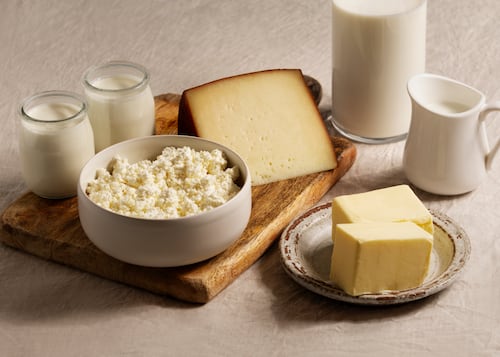
Dairy products also require immediate refrigeration upon purchase. Exposure to room temperature or direct sunlight can compromise their integrity. Jorge Octavio Acosta Montes, a researcher, emphasizes maintaining the cold chain to preserve not only their freshness but also beneficial nutrients like probiotics found in milk, yogurt, and fermented dairy drinks.
Leftovers from cooked meals also present a risk. The U.S. Department of Agriculture (USDA) warns that improper cooling of cooked foods is a major cause of foodborne illness. Bacteria can re-contaminate food if it remains at room temperature for too long. The USDA recommends storing leftovers in containers that facilitate rapid cooling and refrigerating them within two hours of preparation to minimize the risk of intoxication.
One of the main causes of foodborne illnesses is improperly cooling cooked meals, as bacteria can re-contaminate them if they remain too long at room temperature.
DistantNews Editorial
Originally published by El Universal in Spanish. Translated, summarized, and contextualized by our editorial team with added local perspective. Read our editorial standards.
More Stories


From Our Blog

What Press Freedom Means for the News You Read

What Gets Lost (and Found) When News Is Translated

The Critical Role of Diaspora Media in Global News

What Travellers Should Know About Countries with Restricted Press

A Digital Nomad's Guide to Following Local News
