


Football Program Boosts School Attendance to 90%
Translated from Malay, summarized and contextualized by DistantNews.
At a glance
In-depth
Sources not specified
Context piece
- A program called 'Celik' in Tawau, Malaysia, uses football training combined with basic literacy and numeracy lessons to re-engage students who were previously disengaged from school.
- The program has significantly increased attendance rates for participating students, with initial data showing an increase to nearly 90% from around 60-70%.
- Celik targets children aged seven to 12, primarily from B40 families, who struggle with basic academic skills and have inconsistent school attendance.
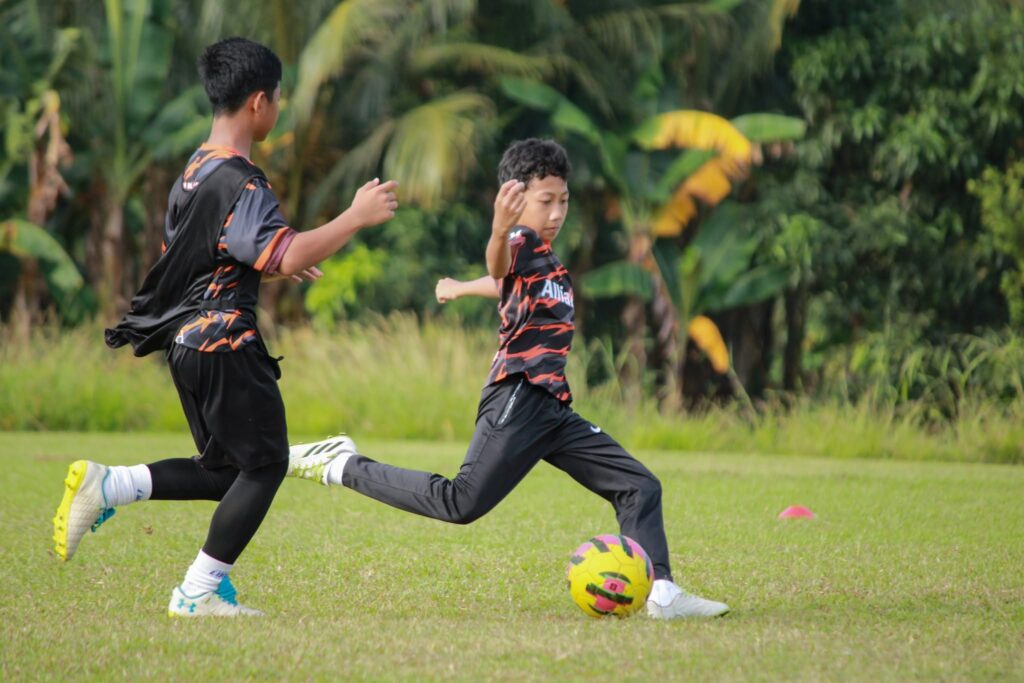
A unique program in Tawau, Malaysia, is leveraging the universal appeal of football to bring students back to school and improve their basic academic skills. The 'Celik' program combines classroom learning with football training, offering an alternative approach to re-engage children who were previously struggling with attendance and academic performance.
Football was chosen because it can be a 'magnet' that makes students more enthusiastic about attending learning sessions.
One 11-year-old participant, identified as Aqil, experienced a significant transformation through the program. Previously withdrawn and lacking confidence, he struggled with reading, writing, and arithmetic, leading to frequent absences. Since joining Celik in January 2025, Aqil has shown marked improvement, now able to read short sentences independently and demonstrating more confidence in class interactions.
Rahman Imuda, the founder of Celik, explained that the program was developed based on observations in grassroots football, where many children show immense passion for the sport but face challenges in basic learning. Football serves as a 'magnet,' motivating students to attend the four-hour weekly sessions, which include integrated Bahasa Melayu and Mathematics lessons before football practice begins.
This idea stemmed from our experience in grassroots football, where we saw that many children actually have a very high interest in this sport.
The program has yielded positive results, with attendance rates for specific groups of students rising to nearly 90%, a substantial increase from the previous 60-70%. While final attendance records are still being compiled, the initial impact is clear. This free pilot project involves 80 students aged seven to 12 from 12 different schools, many of whom come from B40 families and have previously shown low academic achievement and inconsistent attendance.
When there are football sessions, they will come, and that opportunity is used to insert Bahasa Melayu and Mathematics learning for four hours a week before training begins.
DistantNews Editorial
Originally published by Utusan Malaysia in Malay. Translated, summarized, and contextualized by our editorial team with added local perspective. Read our editorial standards.
More Stories



From Our Blog

What Gets Lost (and Found) When News Is Translated

The Critical Role of Diaspora Media in Global News

What Travellers Should Know About Countries with Restricted Press

A Digital Nomad's Guide to Following Local News

How the Same Story Looks Different in Different Countries
