


Football's simulation problem: Referees punished, divers defended
Translated from Finnish, summarized and contextualized by DistantNews.
At a glance
Analysis
Sources not specified
Context piece
- The article criticizes the widespread acceptance and even encouragement of diving and simulation in football, arguing it detracts from the sport's integrity.
- It highlights a specific incident where a player was booked for simulation, yet the referee faced backlash for the decision.
- The author contends that decades of viewer conditioning have normalized simulation, making it difficult to eradicate and urging for a return to valuing genuine play.
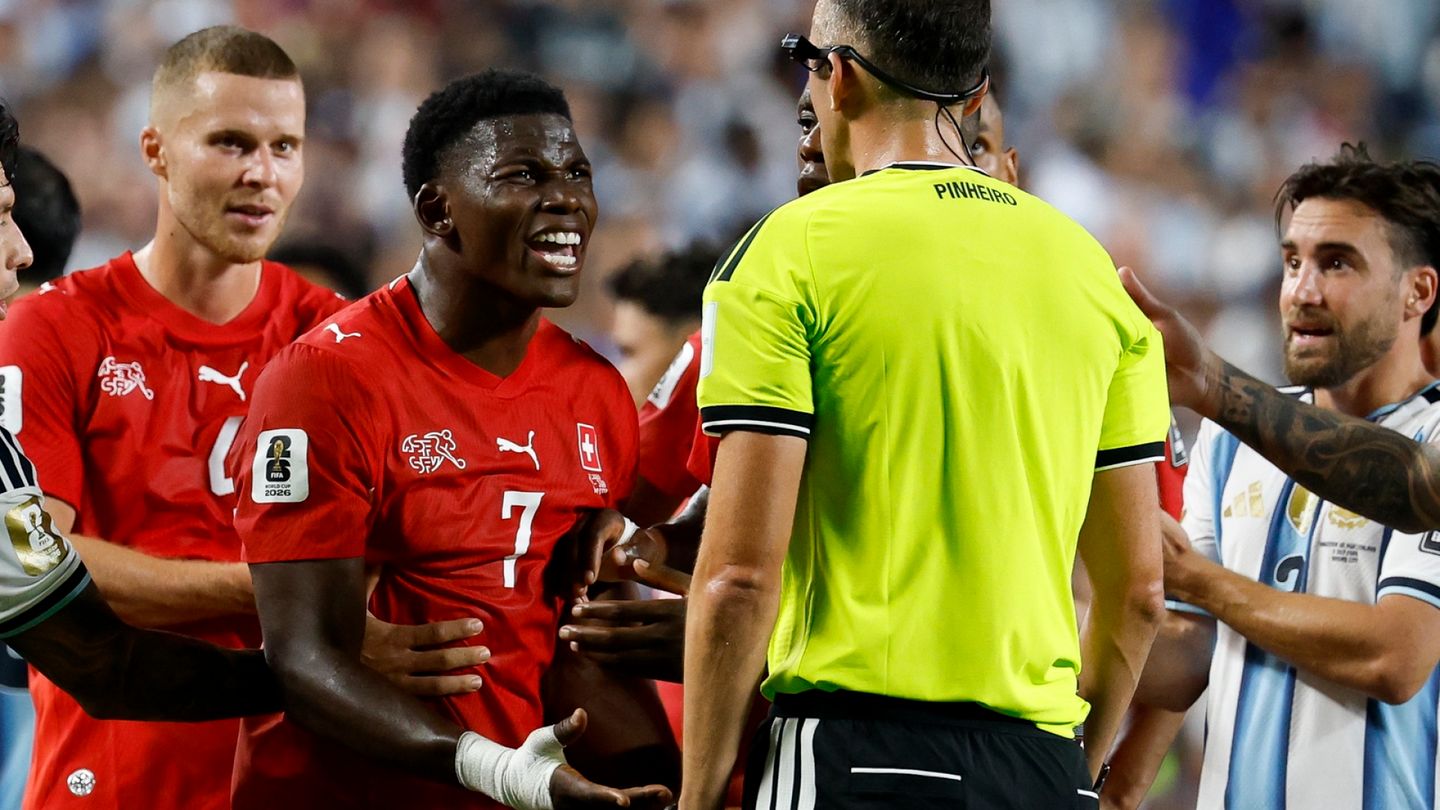
The beautiful game is increasingly marred by simulation, a practice that has become so normalized it often elicits more criticism towards referees than condemnation of the players who employ it. This trend was starkly illustrated during a World Cup quarter-final match where a player, Breel Embolo, exaggerated a fall to the point of theatricality after minimal contact. While the referee initially cautioned an opponent, VAR intervened, leading to Embolo receiving a yellow card for his simulation – a decision that sparked outrage online and in media commentary.
Commitment to the performance is top-notch, although the overall execution doesn't quite reach the level of Vesa-Matti Loiri.
Commentators and pundits debated why the referee shouldn't have cautioned Embolo, citing factors like the high stakes, the intensity of the game, and the location of the incident. However, the author argues these justifications miss the point: the player should be penalized for simulation, not the referee for enforcing the rules. This reaction, the article suggests, reveals a disturbing reality where much of the football world seems to accept or even encourage diving.
Then the video referee (var) announces that dying swans do not belong on the football field.
The piece contrasts this with an earlier group stage match where a player was correctly booked for simulation, a decision that was largely met with approval. The author questions what has changed in a few weeks to foster such a different reaction. Football has evolved significantly, becoming faster and more technically advanced, with greater player protection. Yet, simulation persists as a "plague," worsening over time.
Then social media explodes.
Simulation in football is presented as a near risk-free gamble for players, with potential rewards like free kicks, penalties, or opponent cards, and the primary loss being momentary embarrassment. This equation is detrimental to the sport. The article posits that VAR, rather than curbing simulation, has often emboldened it by frequently awarding fouls for even slight contact. The author expresses dismay that punishing clear simulation generates such strong opposition, questioning the future of football if viewers are conditioned to accept and even expect diving as part of the game.
Do we really want more diving and simulation?
DistantNews Editorial
Originally published by Helsingin Sanomat in Finnish. Translated, summarized, and contextualized by our editorial team with added local perspective. Read our editorial standards.
More Stories


From Our Blog

What Gets Lost (and Found) When News Is Translated

The Critical Role of Diaspora Media in Global News

What Travellers Should Know About Countries with Restricted Press

A Digital Nomad's Guide to Following Local News

How the Same Story Looks Different in Different Countries
