


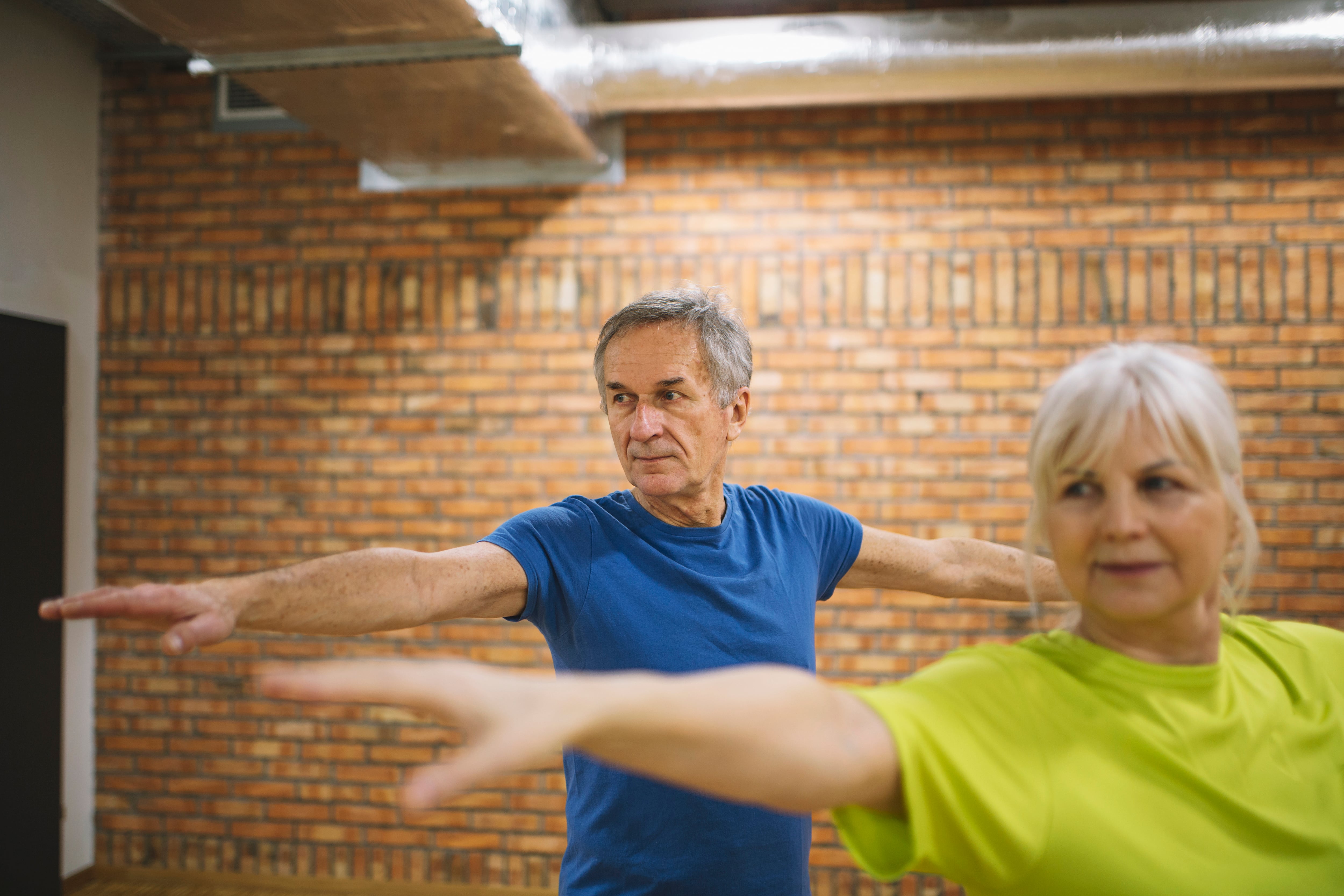
For Over 60s: Innovative Low-Impact Training to Stay Active
Translated from Spanish, summarized and contextualized by DistantNews.
TLDR
- A new, low-impact training method is gaining attention for individuals over 60, focusing on physical endurance without aggressive exertion.
- The practice involves rhythmic exercises combining body movement and coordination to music, using simple, repetitive patterns.
- Benefits include improved cardiovascular resistance, coordination, balance, and cognitive function, with a reduced risk of injury.
For individuals over 60 seeking to maintain an active lifestyle, an innovative, low-impact training method is emerging as a highly accessible and safe alternative. This approach, gaining traction for its focus on enhancing physical endurance without subjecting the body to strenuous activity, offers a refreshing departure from high-intensity workouts.
The practice is based on rhythmic exercises that combine body movement and coordination to the rhythm of music.
The core of this training lies in rhythmic exercises that synchronize body movements and coordination with music. Participants engage in simple, repetitive patterns, fostering a dynamic and motivating environment. This method aligns with the growing trend of functional fitness, which prioritizes holistic well-being over extreme physical demands, adapting exercises to the capabilities of older adults and minimizing injury risks.
Even those with mobility limitations can participate, as some exercises can be performed while seated.
Often incorporating aids like drumsticks for controlled striking, these exercises involve gentle movements that engage both the upper and lower body. Notably, the program is inclusive, with modifications available for individuals with mobility limitations, including seated options. This adaptability ensures that a wide range of seniors can participate and reap the benefits.
One of the main benefits is strengthening cardiovascular resistance without impacting the joints.
The advantages extend beyond physical fitness. Participants experience strengthened cardiovascular resistance without joint impact, crucial for preserving joint health in knees, hips, and the back. Furthermore, the practice enhances motor coordination, balance, and attention, while the combination of rhythm and movement stimulates memory and cognitive function. Compared to activities like swimming or cycling, this method requires no specialized equipment or large spaces, making it a flexible and convenient option for regular practice.
In combination with rhythm and movement, it also stimulates memory and keeps the mind active during practice.
DistantNews Editorial
Originally published by La Nación in Spanish. Translated, summarized, and contextualized by our editorial team with added local perspective. Read our editorial standards.
More Stories



From Our Blog

What Gets Lost (and Found) When News Is Translated

The Critical Role of Diaspora Media in Global News

What Travellers Should Know About Countries with Restricted Press

A Digital Nomad's Guide to Following Local News

How the Same Story Looks Different in Different Countries
