

Forecasters cite 'dangerous' conditions as heat scorches Midwest
Summarized and contextualized by DistantNews.
At a glance
News
From a news agency
Ongoing story
- Millions in the Midwest and Great Lakes are experiencing dangerous heat and humidity, with heat indexes exceeding 100°F.
- Relief is not expected soon, with the heat shifting east and posing risks of heat-related illnesses.
- Cities are opening cooling centers, and some events are being canceled due to the extreme weather.
Millions across the Midwest and Great Lakes states are enduring a dangerous heat wave, with intense heat and humidity pushing heat indexes above 100 degrees Fahrenheit (37.8 degrees Celsius) in some areas. Forecasters warn of no immediate relief as the oppressive weather is set to shift eastward.
Conditions were 'dangerous'
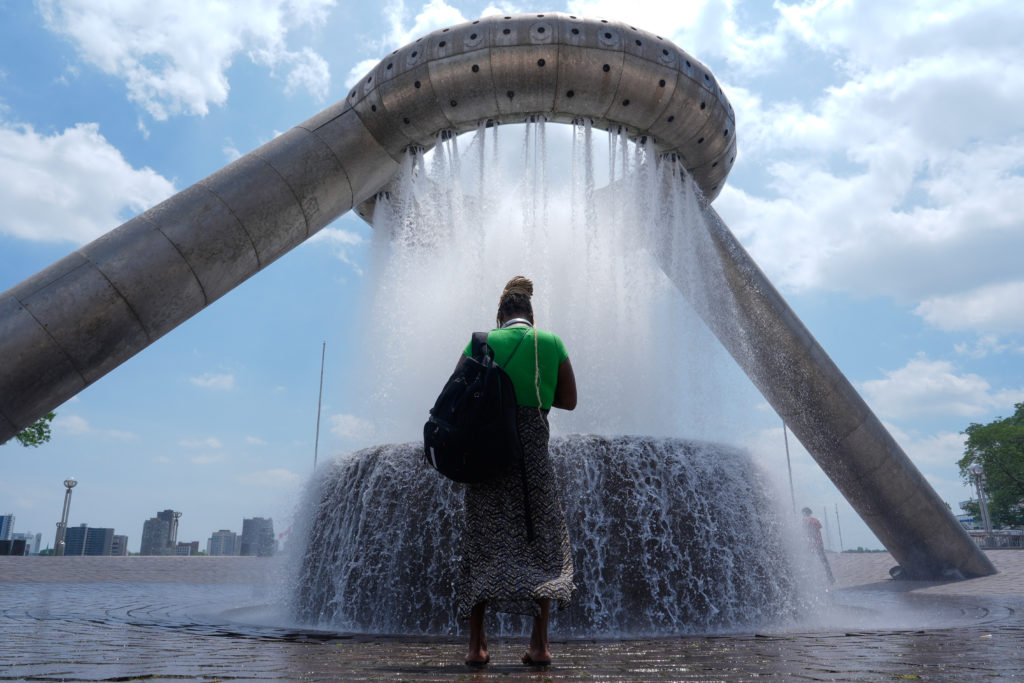
The National Weather Service has labeled the conditions "dangerous," highlighting the risk of heat-related illnesses, particularly for those without air conditioning. Detroit experienced air temperatures in the high 90s, with forecasts predicting potential 100-degree days through Thursday. In response, the city opened several recreation centers, some extending hours until 11 p.m., to provide cooling spaces.
It's the only way to beat it. But it's already starting to cook out here
Large parts of Michigan, Illinois, Ohio, Indiana, Kentucky, and Iowa are under extreme heat warnings. The Northeast, including New York City and Boston, is bracing for significant heat leading up to the Fourth of July holiday. Norristown, Pennsylvania, canceled a Saturday parade due to the weather, while Philadelphia declared a heat emergency, activating 50 cooling centers with extended hours and providing amenities like misting tents and water stations.
I know where all the drinking fountains are
Residents are adapting to the extreme conditions. Some, like window washer Stephen Mason in Detroit, start their workday early to avoid the peak heat. Others, like runner Adam Schubatis, shorten their routes and strategize around available drinking fountains. Firefighters in Milwaukee battled a school fire for hours, rotating crews and rehydrating due to the intense heat. Overnight low temperatures remaining in the 70s (21-26.7 C) prevent the body from cooling down, compounding heat stress over consecutive days, according to Dr. Kisha Davis, a health officer.
The heat stress will compound day after day
DistantNews Editorial
Originally published by PBS NewsHour. Summarized and contextualized by our editorial team with added local perspective. Read our editorial standards.
More Stories


From Our Blog

How the Same Story Looks Different in Different Countries

What Gets Lost (and Found) When News Is Translated

The Critical Role of Diaspora Media in Global News

What Travellers Should Know About Countries with Restricted Press

A Digital Nomad's Guide to Following Local News
