


Forest Fire Prevention Does Not Require Increased Logging
Translated from Finnish, summarized and contextualized by DistantNews.
At a glance
Opinion
Sources not specified
Context piece
- An opinion piece argues that increasing forest logging is not necessary to combat forest fires, contrary to some expert views.
- The author contends that the primary factors in fire ignition and spread are easily flammable undergrowth and vegetation, not just timber volume.
- The piece suggests that nature-based solutions like diversifying forests, managed burns, and restoring wetlands are more effective and environmentally sound approaches to fire prevention.
An opinion piece in Helsingin Sanomat challenges the notion that increased logging is essential for preventing forest fires. While acknowledging an article by Antti Asikainen, Jani Lehto, and Johanna Buchert from Natural Resources Institute Finland (Luke) that linked growing timber stocks to increased fire risk, the author argues this perspective is incomplete.
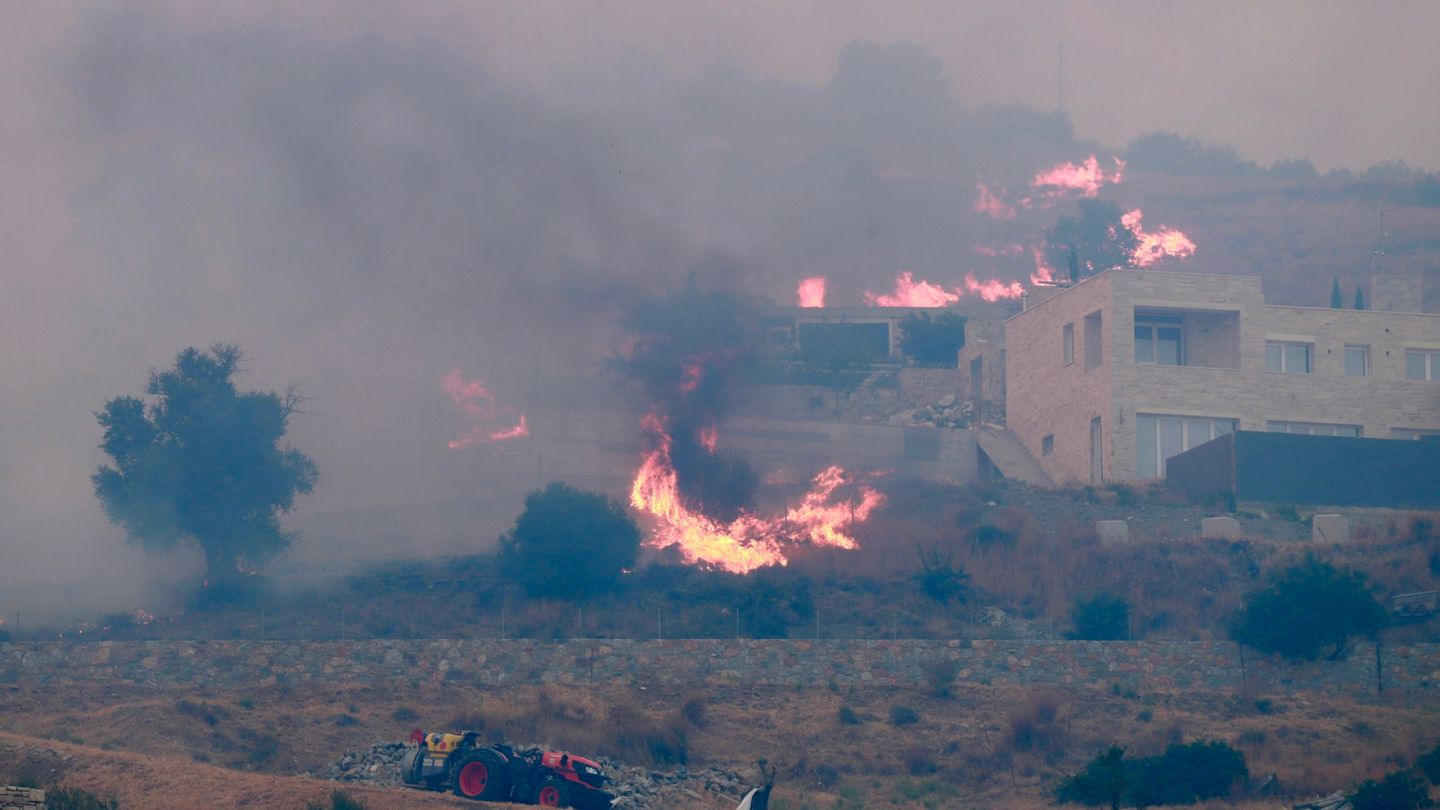
The core argument is that the presence of abundant, easily ignitable ground vegetation like grass, leaf litter, and shrubs plays a more significant role in fire ignition and rapid spread than timber volume alone. The piece points to fires in the Mediterranean region, where rural abandonment and reduced grazing have led to overgrown landscapes, creating ideal conditions for wildfires. Fires in France and Spain this summer also spread through shrublands, grasslands, and agricultural areas, not just forests.
Furthermore, the author suggests that forestry practices themselves can exacerbate the problem. "Forestry can also dry out ecosystems," the piece states, noting that logging can negatively impact carbon sinks, carbon stocks, biodiversity, and water bodies. While natural fires occur in some European forests and are even necessary for certain species, the recent increase in fire intensity and frequency is attributed to prolonged droughts and heatwaves linked to the climate crisis.
Instead of focusing on increased logging, the article advocates for nature-based solutions. These include diversifying forest species and structures, implementing managed burns, promoting mosaic landscapes in agricultural and forest areas, and restoring wetlands and other water-retaining ecosystems. Such approaches, the author argues, not only reduce fire risk but also enhance biodiversity, improve water quality, and bolster ecosystems' resilience to changing conditions.
DistantNews Editorial
Originally published by Helsingin Sanomat in Finnish. Translated, summarized, and contextualized by our editorial team with added local perspective. Read our editorial standards.
More Stories


From Our Blog

What Gets Lost (and Found) When News Is Translated

The Critical Role of Diaspora Media in Global News

What Travellers Should Know About Countries with Restricted Press

A Digital Nomad's Guide to Following Local News

How the Same Story Looks Different in Different Countries
