

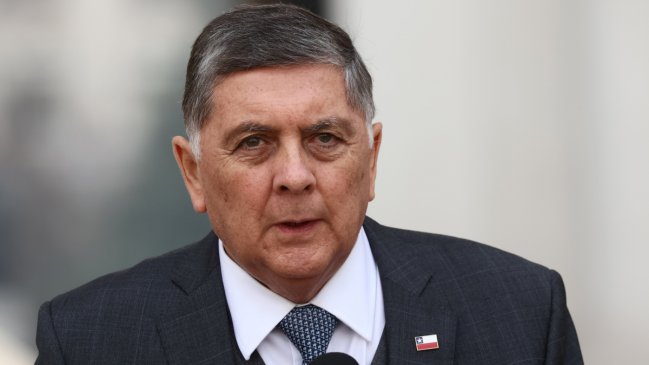
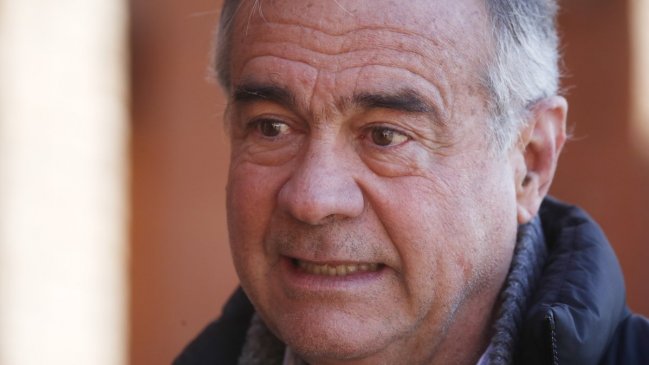
Former Minister: Chile's Security Reform Mirrors Bukele's Illiberal Politics
Translated from Spanish, summarized and contextualized by DistantNews.
At a glance
News
Named sources
New plan
- Former minister Ignacio Walker criticizes a proposed constitutional reform on security in Chile.
- Walker argues the reform, similar to Nayib Bukele's methods, is illiberal and threatens democratic principles.
- He notes a lack of support for the project from legal experts across the political spectrum.
Former minister Ignacio Walker has sharply criticized a proposed constitutional reform on security in Chile, drawing parallels to the methods of El Salvador's President Nayib Bukele. Walker argues that the reform, along with a recent operation to transfer prisoners, marks Bukele's "entry into Chilean politics."
Walker described the plan as "communication effectiveness and an illiberal reform that attacks basic aspects of the Chilean constitutional and democratic regime." He stated that the reform's approach relies on "communication effectiveness" and is fundamentally "illiberal," posing a threat to core democratic tenets.
the week last Nayib Bukele made his entry into Chilean politics, the Cancerbero plan, with its communication fanfare, but above all the constitutional reform on security, correspond to the Bukele method: communication effectiveness and an illiberal reform, which attacks basic aspects of the Chilean constitutional and democratic regime.
Adding to the criticism, Walker highlighted that he is unaware of any legal experts, regardless of their political affiliation, who have publicly supported the proposed constitutional changes. This lack of endorsement from the legal community further underscores his concerns about the reform's compatibility with Chile's democratic framework.
I do not know any jurist, from the center, right, or left, who has come out to support this project, this constitutional reform.
DistantNews Editorial
Originally published by Cooperativa in Spanish. Translated, summarized, and contextualized by our editorial team with added local perspective. Read our editorial standards.
More Stories


From Our Blog

What Gets Lost (and Found) When News Is Translated

The Critical Role of Diaspora Media in Global News

What Travellers Should Know About Countries with Restricted Press

A Digital Nomad's Guide to Following Local News

How the Same Story Looks Different in Different Countries
