


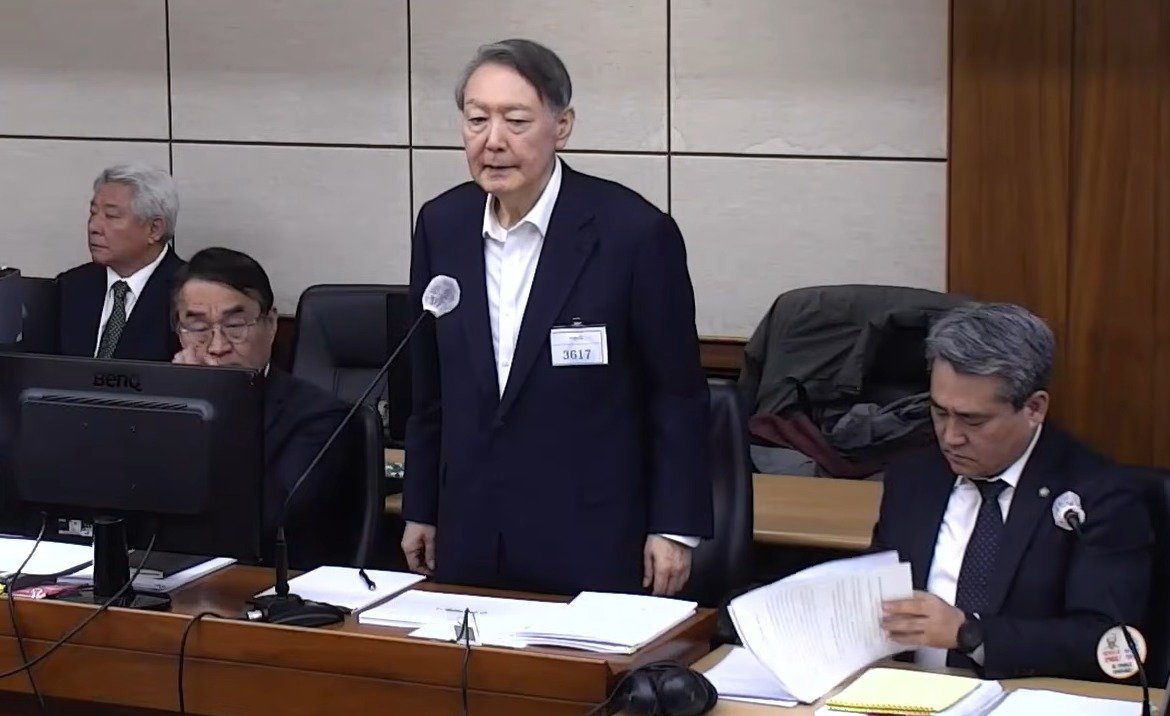
Former President Yoon Sentenced to 30 Years for 'Pyongyang Drone' Incident
Translated from Korean, summarized and contextualized by DistantNews.
At a glance
News
Named sources
Outcome reported
- Former South Korean President Yoon Suk-yeol has been sentenced to 30 years in prison in a first-instance ruling for allegedly ordering drone incursions into North Korea.
- The court found Yoon guilty of treason and abuse of power, ruling he orchestrated the operation to provoke a military crisis and justify declaring martial law.
- The ruling marks the first time a former president has been convicted of treason, with the court citing risks to life and military secrets as further grounds for the conviction.
A South Korean court has handed down a 30-year prison sentence to former President Yoon Suk-yeol in a landmark first-instance ruling. Yoon was convicted on charges including treason and abuse of power for allegedly orchestrating drone incursions into North Korea.
The Seoul Central District Court determined that Yoon approved the operation with the intent to escalate military tensions and create a national emergency, thereby justifying the declaration of a state of emergency and martial law. The court stated that Yoon "deliberately tried to create a state of national emergency" to utilize his authority to declare martial law, and "privately used soldiers under the guise of military operations to provoke North Korea's provocations."
In addition to the treason charge, Yoon was found guilty of endangering public safety and military secrets. The court cited the risk of casualties among citizens and military personnel due to the downed drones, as well as the compromise of military intelligence, as factors contributing to the conviction.
This verdict is historically significant, as it represents the first instance of a former South Korean president being convicted of treason. Yoon's defense had argued he had no knowledge of the drone operation, but the court rejected this claim, asserting that the operation could not have proceeded without his approval.
DistantNews Editorial
Originally published by Dong-A Ilbo in Korean. Translated, summarized, and contextualized by our editorial team with added local perspective. Read our editorial standards.
More Stories


From Our Blog

What Gets Lost (and Found) When News Is Translated

The Critical Role of Diaspora Media in Global News

What Travellers Should Know About Countries with Restricted Press

A Digital Nomad's Guide to Following Local News

How the Same Story Looks Different in Different Countries
