


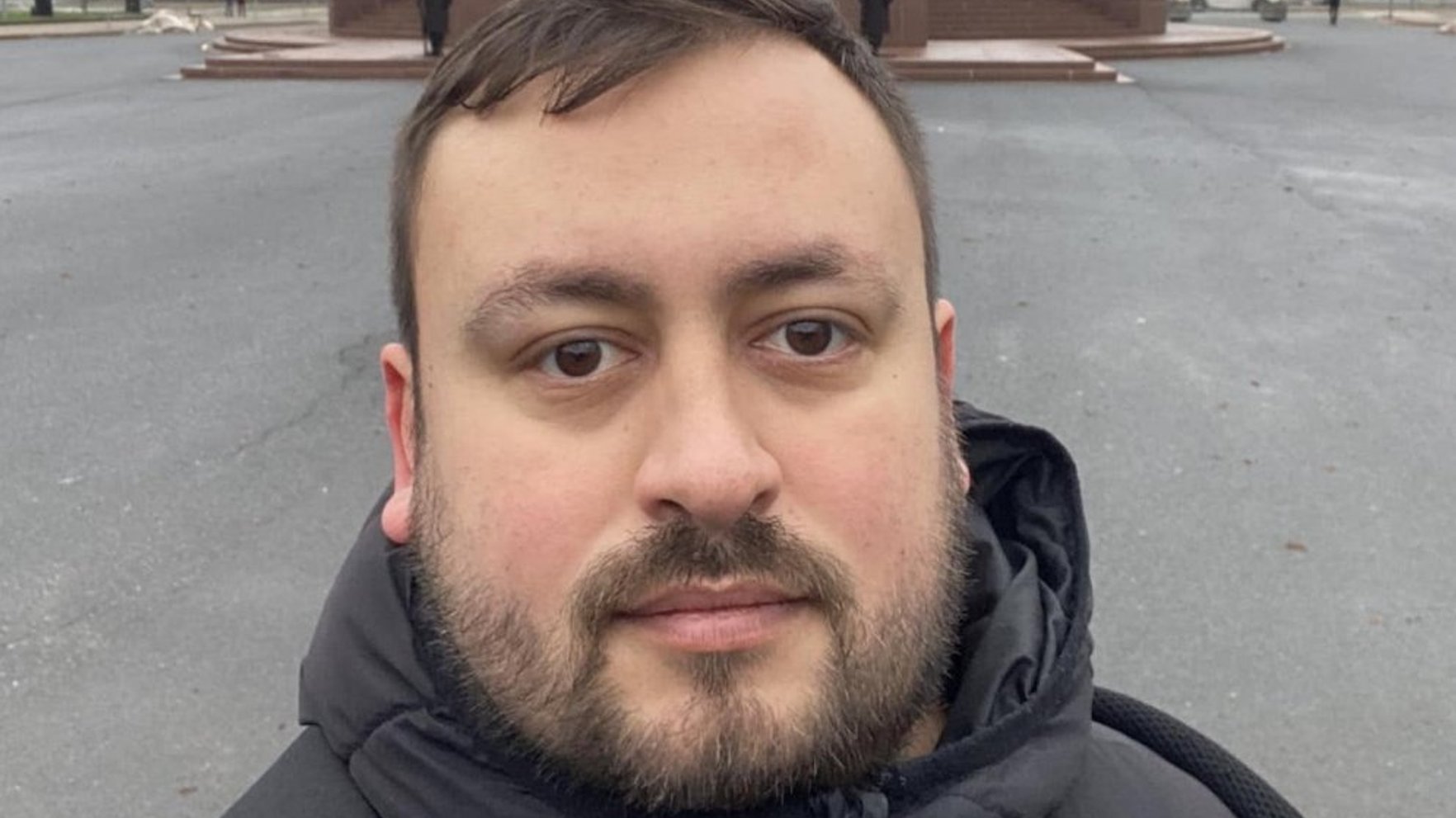
Former Sputnik employee: ‘Baltic antifascists’ are a Russian security-services project
Translated from Latvian and summarized by DistantNews. Read the original for the full story.
At a glance
News
Named sources
Context piece
- Former Sputnik Lithuania editor Marat Kasem claimed that the Telegram project known as “Baltic antifascists” was created at the request of Russia’s Federal Security Service.
- Kasem acknowledged that he had no public documents proving the alleged links and said he declined an offer to become an expert for the project.
- Latvia’s State Security Service said the channel promotes Russia, encourages cyberattacks and collects information on Latvian and NATO personnel and infrastructure.
Former Sputnik Lithuania editor-in-chief Marat Kasem has described the “Baltic antifascists” Telegram project as “a pure special-services project” created by Russian security agencies.
In an interview with the Latvian news agency LETA’s podcast, Kasem said the project was separate from Telegram channels financed through Russia’s propaganda budget. He claimed it had been established at the request of Russia’s Federal Security Service. Kasem also said its leader had spoken publicly about preparing reports for security agencies and lists of people considered disloyal to Russia, with the stated intention of “eliminating” them in the event of a potential occupation.
Kasem acknowledged that he had no public documents proving the alleged connections. He said he was offered a role as an expert for the project but declined after learning about its possible links to Russian security services. He added that the project had initially considered producing content in Latvian, Lithuanian and Estonian.
a pure special-services project
Latvia’s State Security Service said it had identified activities on the channel directed against Latvia’s national security interests. The channel regularly praises Russia, its political system, foreign policy and aggression against Ukraine. It also calls for cyberattacks against Latvian government institutions and private companies, and urges followers to gather information about Latvia’s armed forces and NATO infrastructure.
The security service said the channel collects information about Latvian officials and other public figures who oppose Russia’s war in Ukraine, with the alleged aim of passing it to Russian security agencies. It assessed the activities as an effort to influence public opinion and decision-making in Latvia through psychological pressure. Kasem previously received a 15,500-euro fine from Latvia’s prosecution service for assisting activity directed by Russia against Latvia. He admitted guilt and paid the fine.
eliminating
About this summary
Originally published by Delfi Latvia in Latvian. Translated, summarized, and contextualized automatically by DistantNews, with a note on how the source frames the story. Not individually reviewed before publishing. How this works.
More Stories

From Our Blog

What Gets Lost (and Found) When News Is Translated

The Critical Role of Diaspora Media in Global News

What Travellers Should Know About Countries with Restricted Press

A Digital Nomad's Guide to Following Local News

How the Same Story Looks Different in Different Countries
