


Four Essential Steps to Take If Your Personal Information Is Leaked
Translated from Korean, summarized and contextualized by DistantNews.
At a glance
News
Named sources
Context piece
- Experts advise basic security measures like password changes and multi-factor authentication to mitigate secondary damages from personal information leaks.
- Key steps include verifying suspicious communications through official channels and using government services to check for data exposure.
- Registering as 'person with exposed personal information' can help prevent identity theft and financial fraud.
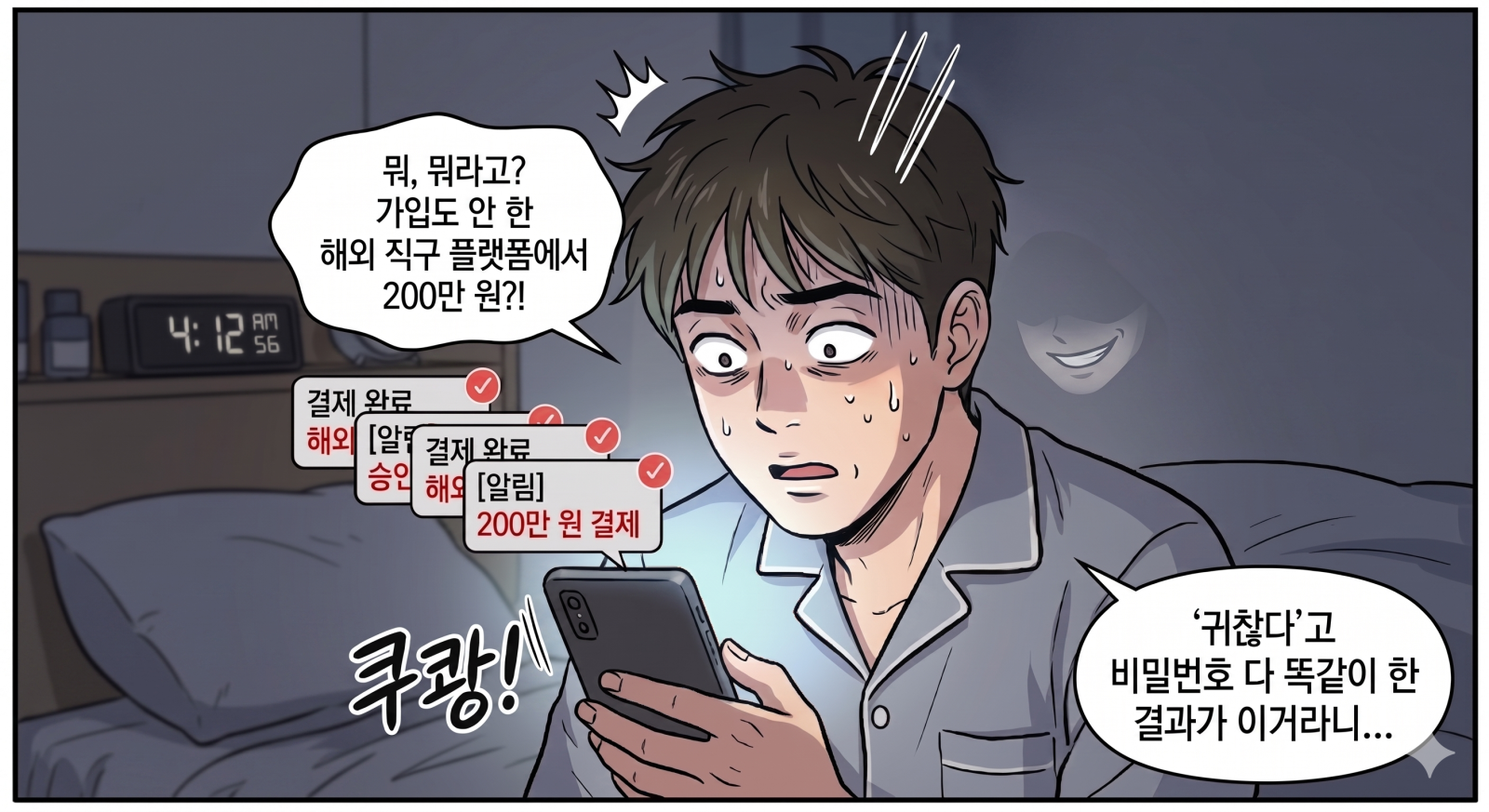
Personal information leaks continue to plague individuals, but experts emphasize that essential security steps can significantly reduce the risk of account takeovers and financial fraud. These measures include changing passwords, enabling multi-factor authentication, and verifying communications through official channels.
One common scenario involves hackers exploiting leaked credentials from one site to access accounts on others through credential stuffing. To combat this, individuals must change passwords not only on the affected site but also on any other platform using the same login information. Adding multi-factor authentication (MFA), such as OTP, and setting up international login or payment blocking services can create additional barriers for cybercriminals.
When faced with suspicious messages, such as unexpected password change notifications or login alerts, it is crucial to verify them through direct contact. For instance, if impersonated as a prosecutor demanding information, one can use the Supreme Prosecutors' Office's 'Jjinsenter' service to confirm the authenticity of documents.
Government services offer further protection. The Korea Internet & Security Agency's 'Recover My Leaked Information' service allows users to check if their accounts are circulating on the dark web. Additionally, the Personal Information Protection Commission's 'Website Membership Withdrawal Service' helps users identify and close inactive accounts, preventing potential misuse. Finally, registering as a 'person with exposed personal information' with financial authorities can block third parties from opening new accounts or applying for loans using stolen identity details.
It is true, our country is rich, yet we do not live in prosperity.
DistantNews Editorial
Originally published by Dong-A Ilbo in Korean. Translated, summarized, and contextualized by our editorial team with added local perspective. Read our editorial standards.
More Stories


From Our Blog

What Gets Lost (and Found) When News Is Translated

The Critical Role of Diaspora Media in Global News

What Travellers Should Know About Countries with Restricted Press

A Digital Nomad's Guide to Following Local News

How the Same Story Looks Different in Different Countries
