


French Family Rescued After 16 Hours Adrift Off Thai Island
Summarized and contextualized by DistantNews.
At a glance
News
Named sources
Outcome reported
- Spanish fisheries company Nueva Pescanova has abandoned plans to build the world's first industrial octopus farm near the Canary Islands.
- The company cited "business and regulatory" reasons for shelving the €65 million project, which had faced significant opposition from activists and scientists.
- Experts suggest the farm's failure was likely due to the inherent difficulties in farming octopuses, particularly their larvae's delicate floating stage and specific feeding requirements.
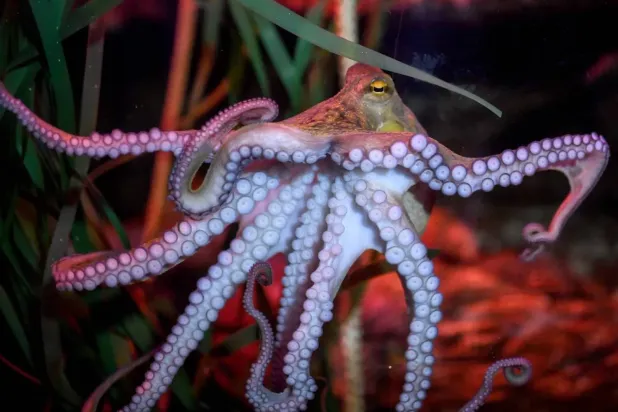
Nueva Pescanova, Spain's largest fisheries business, has withdrawn its ambitious plans to establish the world's first industrial octopus farm. The company had announced a €65 million investment in the facility near the Canary Islands' port of Las Palmas, with a projected annual production of 3,000 tons of octopus by 2025.
Social, scientific and political pressure has borne fruit, faced with this ethical and environmental atrocity.
However, the project, which gained notoriety following the Oscar-winning documentary "My Octopus Teacher," faced considerable controversy. Activists and scientists condemned the plans, highlighting the intelligence of octopuses and the ethical concerns surrounding farming such creatures. Animal rights group Pacma declared the withdrawal a victory, attributing it to "social, scientific and political pressure."
The truth is that we’re finding the mood to be a bit more hostile than expected.
Despite the activists' claims, sources suggest that business viability was the primary factor. Nueva Pescanova cited "business and regulatory" reasons in a letter to the Canary Islands' port authority for pulling out. A journalist covering the story noted that demonstrations against the project rarely attracted more than a few dozen protesters, indicating that popular opposition might not have been the decisive element.
I believe the reality is that the farm didn’t go ahead because it wasn’t viable, not because of popular protest.
Marine biologists concur that octopus farming presents significant challenges. Octopuses' larvae spend at least 20 days floating in the water, complicating the transition to the next life stage. Furthermore, the hatchlings are extremely delicate, and their specific dietary needs, including a fish paste-based feed, are difficult to meet consistently. Similar attempts at large-scale octopus farming in Japan by the company Nissui also failed to materialize.
The same thing happened here in Japan with the fisheries company Nissui. The company said they’d cracked it and were going to be producing massive amounts of octopus but it never happened.
DistantNews Editorial
Originally published by Asharq Al-Awsat. Summarized and contextualized by our editorial team with added local perspective. Read our editorial standards.
More Stories


From Our Blog

What Gets Lost (and Found) When News Is Translated

The Critical Role of Diaspora Media in Global News

What Travellers Should Know About Countries with Restricted Press

A Digital Nomad's Guide to Following Local News

How the Same Story Looks Different in Different Countries
