

Freud's Ideas on Consciousness May Align With Modern Neuroscience, Researchers Say
Translated from Estonian, summarized and contextualized by DistantNews.
At a glance
News
Sources not specified
Context piece
- Some neuroscientists see unexpected parallels between Sigmund Freud's theories on consciousness and modern neuroscience models.
- New research suggests ancient psychoanalytic ideas and contemporary brain science may describe similar mental processes.
- These potential connections could improve understanding of human behavior and the development of mental disorders.
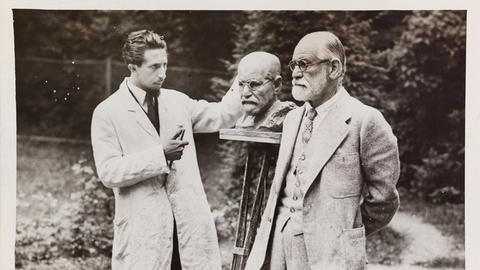
Decades of debate have surrounded Sigmund Freud's theories, often viewed as controversial. However, some contemporary scientists now perceive surprising similarities between his ideas on consciousness and central models in modern neuroscience.
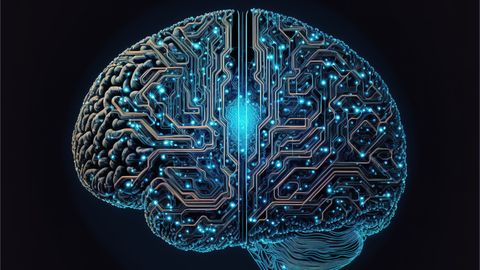
A new study proposes that ancient psychoanalytic concepts and current brain science might be describing the same mental processes from different perspectives. Researchers suggest that the brain's continuous effort to predict future events could echo the internal processes described in psychoanalysis.
The authors of the study find more parallels than previously acknowledged. They believe these connections could lead to a better understanding of human behavior and the origins of mental disorders. The research raises the question of whether century-old ideas might prove surprisingly relevant today.
DistantNews Editorial
Originally published by Postimees in Estonian. Translated, summarized, and contextualized by our editorial team with added local perspective. Read our editorial standards.
More Stories
/nginx/o/2026/06/04/17689249t1h27a3.jpg)
/nginx/o/2026/06/03/17685746t1he103.jpg)
From Our Blog

What Gets Lost (and Found) When News Is Translated

The Critical Role of Diaspora Media in Global News

What Travellers Should Know About Countries with Restricted Press

A Digital Nomad's Guide to Following Local News

How the Same Story Looks Different in Different Countries
